
Maluku's New Strategy to Become Indonesia's New Economic Gateway
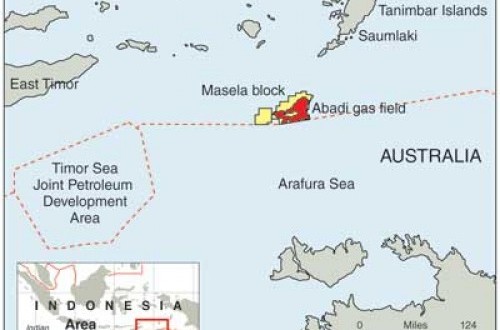
In Maluku, the sea is more than just a geographical expanse. It is a space of encounter, a historical route, and a reflection of the layered lives of its people. From island to island, people live in diversity that has long been the pulse of daily life. In this archipelago region, tolerance is not merely a slogan but a habit passed down through generations. However, like the rising waves of the sea, Maluku has also endured difficult times. The social conflicts that once occurred left important lessons, that peace does not come easily. It must be nurtured, maintained, and built through long dialogue, trust, and collective commitment. Now, those lessons are increasingly relevant as Maluku enters a new chapter of development. This province, known for its cultural richness and traditional ties, is beginning to feature on the national development map through several National Strategic Projects expected to serve as drivers of economic growth in eastern Indonesia. Several major projects are underway, from the development of the Integrated Ambon Port, the Way Apu Dam on Buru Island, to the Abadi Field Masela Block. These projects are not just infrastructure developments but symbols of Maluku’s transformation towards a maritime and energy-based economic centre. The Integrated Ambon Port is projected to become a modern logistics hub connected to national and international trade networks. On the other hand, the Masela Block is one of Indonesia’s largest energy projects, expected to attract global investment while creating widespread job opportunities. Meanwhile, the Way Apu Dam is designed to strengthen water resilience and boost agricultural productivity on Buru Island. Beyond that, the development of the fisheries sector, marine tourism, border areas, and agriculture in the regions of Ambon, Tual, Saumlaki, and the Aru Islands is also being promoted. On this development map, Maluku is gradually being depicted as a new economic gateway in eastern Indonesia. However, behind these great opportunities, one key factor stands out: social stability. Maluku Governor Hendrik Lewerissa asserts that every conflict resolution must be pursued through peaceful means, prioritising dialogue, deliberation, and customary approaches as deeply rooted local wisdom among the people. This approach continues alongside legal processes carried out by law enforcement authorities. For him, security stability is a primary prerequisite for development. Without conducive social conditions, various strategic programmes, including national-scale projects, risk being hindered or delayed. In this context, the community is urged not to be easily provoked by unverified information. The spread of hoaxes will only muddy the situation and slow down development progress. Instead, the values of brotherhood, love, and solidarity that define Maluku’s people must be continually upheld.