
Maluku Provincial Government Tightens Oversight After BGN Suspends 53 SPPG Units
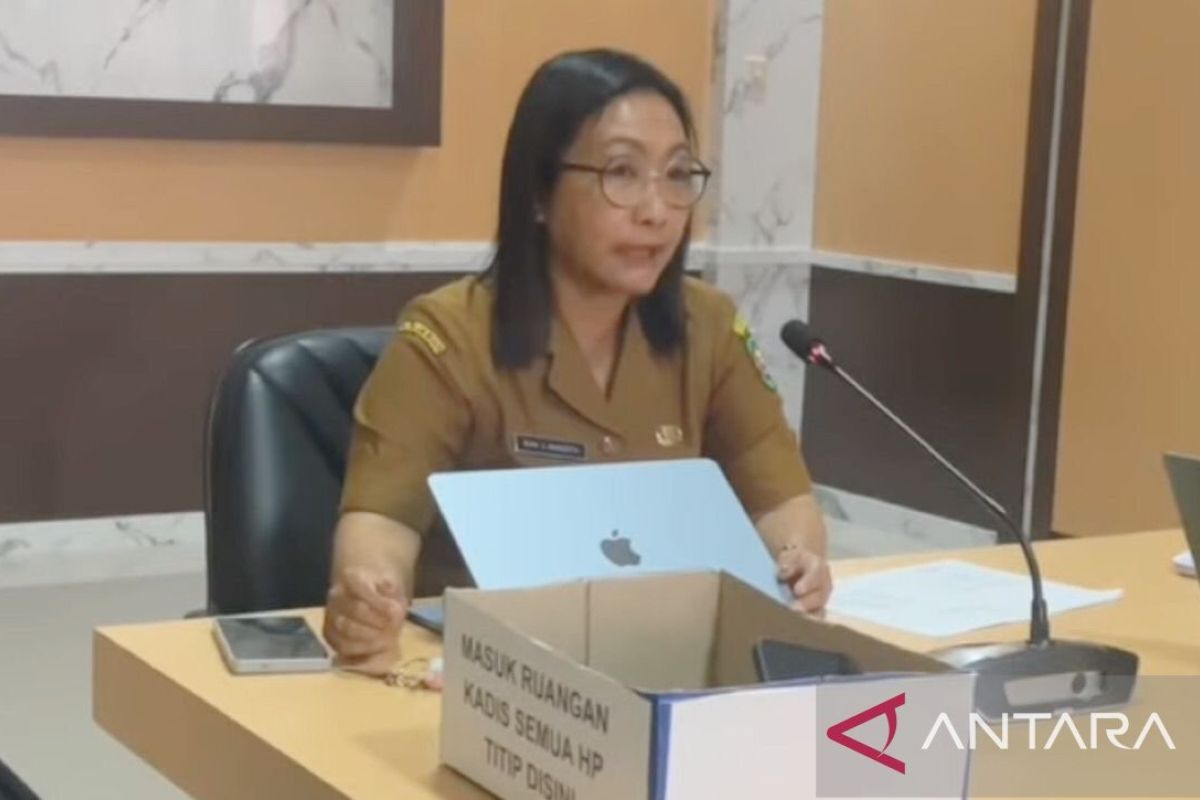
Ambon (ANTARA) - The Maluku Provincial Government is tightening operational oversight of Nutrition Fulfilment Service Units (SPPG) following the temporary suspension of 53 Free Nutritious Meals (MBG) kitchens by the Central National Nutrition Agency (BGN).
The Head of the Maluku Provincial Health Office, Elna Anakotta, in Ambon on Thursday, stated that oversight measures are being strengthened through coordination meetings with stakeholders to ensure all SPPG meet health standards and operational fitness.
“We are tightening oversight, including through training, environmental health inspections, and periodic testing of food and water samples,” she said.
She explained that out of 104 registered SPPG in Maluku, 92 units are operational. However, 53 of them have been suspended by BGN for lacking Hygiene Sanitation Fitness Certificates (SLHS) and Wastewater Treatment Installation (IPAL) facilities.
According to her, several strategic steps to tighten oversight include training for food handlers and Environmental Health Inspections (IKL) involving local community health centres.
“Each sanitarian will oversee a maximum of five SPPG to make monitoring more effective,” she said.
Additionally, oversight also covers operational standards for food distribution, namely a maximum of 30 minutes or a six-kilometre radius to maintain food quality for consumption.
In terms of testing, she said, food and water sample examinations can be conducted in laboratories meeting biological parameters, including public health labs and provincial health labs, as well as the Food and Drug Supervisory Agency.
She stated that strengthened oversight is necessary because several field challenges are still found, such as lack of basic facilities, low compliance with water quality checks, and findings of Coliform bacteria.
“Sometimes SPPG prioritise business aspects and neglect health. This is what we must address with strict oversight,” she said.
Additionally, oversight includes technical aspects, such as student meal times, portion sizes according to education levels, and cooking, cooling, and distribution processes that must follow technical guidelines.
In the meeting, challenges in implementing the MBG programme in several Madrasah Aliyah (MA) schools, which are still limited due to the lack of halal product guarantees, were also discussed.
“Training for halal supervisors is needed so that this programme can be more widely accepted,” she said.
She added that in the future, every SPPG will also be required to evaluate food quality, including prohibiting uneaten food from being taken home by students.
With these steps, the Maluku Provincial Government hopes that the MBG programme can run optimally, while meeting health and food safety standards.