
Maluku BKSDA releases cuscus handed over from quarantine
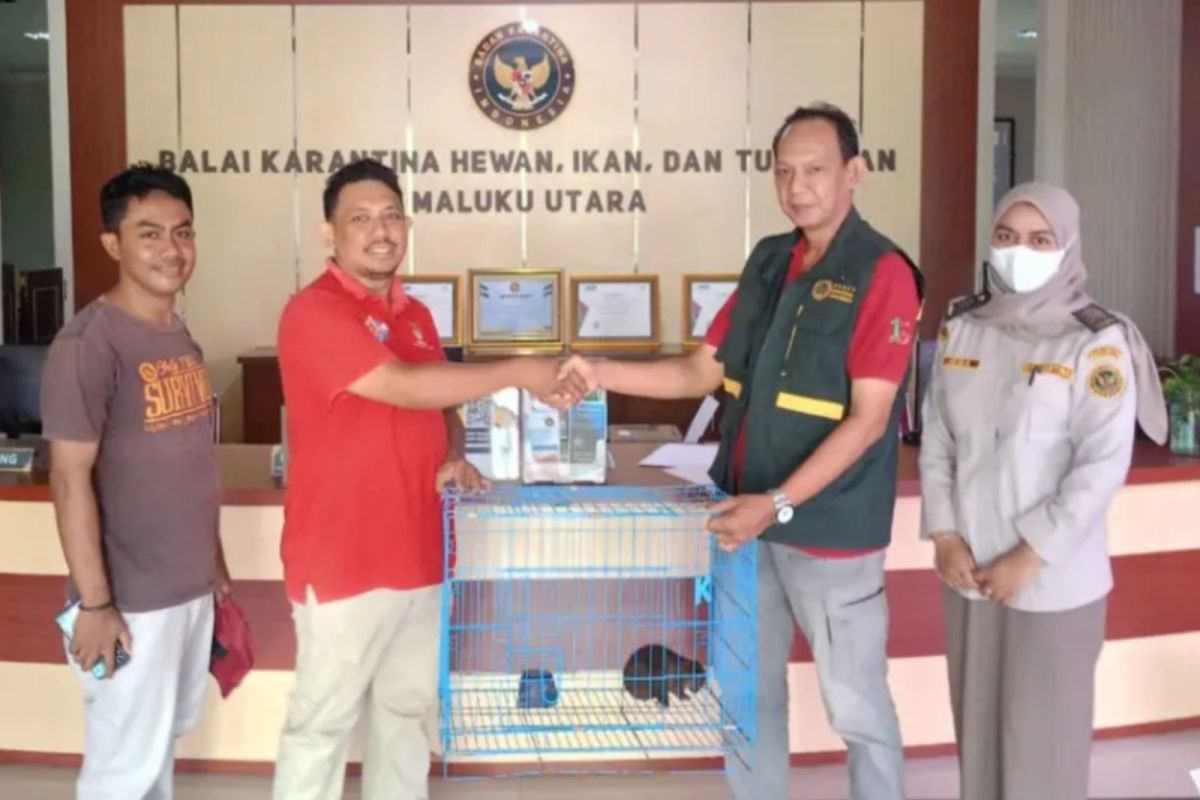
Ambon (ANTARA) - The Maluku Natural Resources Conservation Agency (BKSDA) has released a Maluku cuscus into the wild, which was handed over from the North Maluku Animal, Fish, and Plant Quarantine Agency, as part of efforts to conserve endemic wildlife. “This release represents our commitment to safeguarding wild animal populations, while also educating the public not to trade protected species,” said Forest Ecosystem Controller (PEH) of BKSDA Maluku, Jingga Dwi Harpah Prasasti Ali, in Ambon on Thursday. The release was carried out by the Section for Natural Resources Conservation in Region I Ternate on 3 April 2026, after the animal underwent observation and was confirmed to be in good health. The activity also involved local communities in Pulo Tareba. The Maluku cuscus (Phalanger ornatus) is an endemic species to North Maluku, naturally distributed in the Halmahera, Bacan, and Morotai regions. It is known locally as the yellow cuscus or kuso cuscus and belongs to the marsupial group. Although classified as Least Concern (LC) by the International Union for Conservation of Nature (IUCN), the Maluku cuscus remains protected in Indonesia. The animal features thick fur, large eyes, and a strong long tail for grasping branches, and it is nocturnal, inhabiting tropical forests. BKSDA Maluku stated that this release is part of efforts to maintain the survival of endemic wild animals in their natural habitats. In addition, BKSDA emphasised the importance of the public’s role in supporting conservation, particularly by refraining from capturing, keeping, or trading protected wild animals. “Through this initiative, it is hoped that the wild population of Maluku cuscus will remain stable, and the forest ecosystem in North Maluku can continue to thrive,” she said. Based on Law No. 5 of 1990 on the Conservation of Living Natural Resources and Their Ecosystems, anyone who intentionally captures, injures, kills, stores, possesses, keeps, transports, or trades protected animals (Article 21 paragraph (2) letter a) faces a maximum prison sentence of five years and a fine of up to Rp100 million (Article 40 paragraph (2)).