
Malaysian Tanker Ship to Be Allowed to Cross the Strait of Hormuz
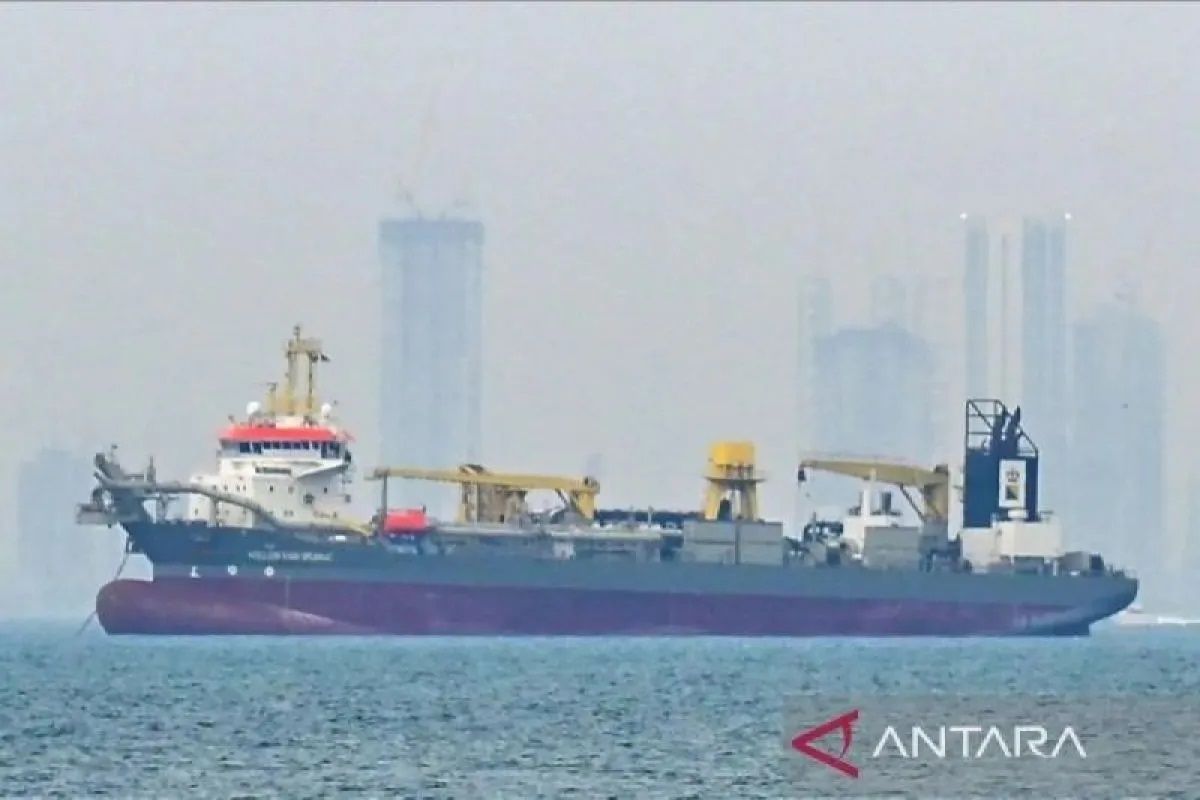
Istanbul (ANTARA) - Malaysian Prime Minister Anwar Ibrahim stated that a Malaysian oil tanker will be allowed to cross the Strait of Hormuz.
He also expressed thanks to Iranian President Masoud Pezeshkian for the permission, according to a report from the Bernama news agency.
“Now we are in the process of releasing the Malaysian oil tanker and the involved workers so that they can continue their journey home,” Anwar said in a televised speech on Thursday (26/3).
“However, this is not easy because Iran feels it has been repeatedly deceived and finds it difficult to accept steps towards peace without binding agreements and security guarantees,” he added.
According to Anwar, the impact of the conflict has spread to Lebanon, where “more than 1 million people have lost their homes and possessions.”
He also stressed that the root causes of the conflict in Palestine and Gaza remain unresolved and continue to worsen the situation.
Anwar affirmed that Malaysia will continue to play an active role in supporting regional peace efforts.
Malaysia, he said, takes “a firm stance against injustice, oppression, and aggression carried out by Israel and the United States.”
He also mentioned that he had spoken with Pezeshkian and Egyptian President Abdel Fattah el-Sisi to discuss the escalation in the Middle East.
Anwar made a phone call on Thursday morning with Pakistani Prime Minister Shehbaz Sharif for the third time to discuss Pakistan’s efforts to achieve peace in the region.
The Strait of Hormuz, a strategic shipping lane through which around 20 million barrels of oil pass daily, has been effectively disrupted since early March.
This disruption has increased shipping costs and driven up global oil prices.
The escalation has continued since the US and Israel launched attacks on Iran on 28 February, which killed more than 1,340 people, including the then Supreme Leader, Ali Khamenei.
Iran retaliated with drone and missile strikes targeting Israel, as well as areas in Jordan, Iraq, and Gulf countries hosting US military assets.
These attacks have caused casualties and infrastructure damage, while disrupting global markets and aviation.