
Malaysian researcher outlines the insect–microplastics relationship at Unhas
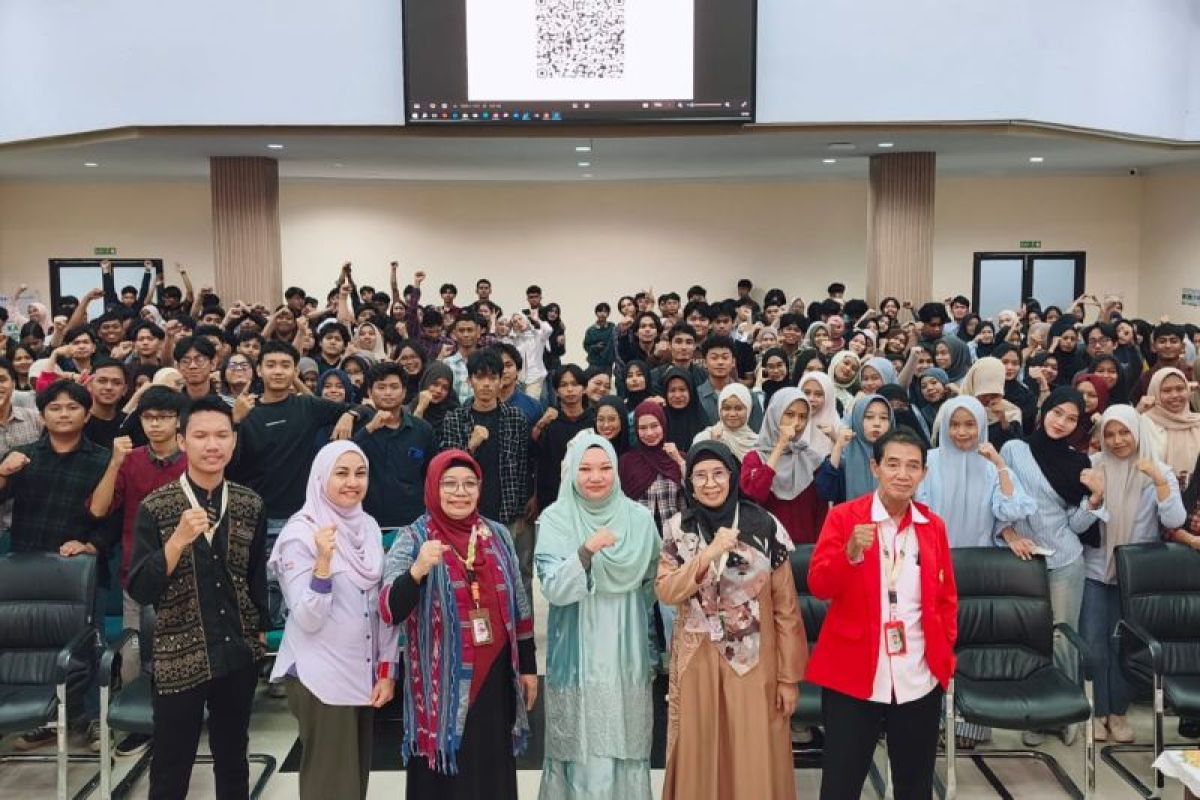
Researchers from Universiti Malaysia Kelantan, Norashikin Mohd Fauzi MSc PhD, presented the relationship between insects and microplastics during an international public lecture at the Faculty of Forestry, Hasanuddin University (Unhas) in Makassar, South Sulawesi. In a statement from Makassar on Saturday, Norashikin said microplastics are plastic particles smaller than 5 millimetres that are increasingly found in various environmental compartments, both terrestrial and aquatic. She explained that microplastics can originate from primary or secondary sources and have the potential to contaminate ecosystems widely. Several recent studies indicate that insects can interact directly with microplastics through ingestion, accumulation in their bodies, and even the potential for plastic degradation by certain species. Therefore, she said, further research and the development of more accurate identification methods are needed to understand the impact of microplastics on ecosystems. A researcher from Universiti Malaysia Terengganu, Prof Dr Wahizatul Afzan Azmi, presented materials related to the application of biological pollinators and in vitro technology on the stingless bee queen. She explained that the stingless bee queen plays a crucial role in leading the colony and regulating its reproductive system. The research also discusses the larval development of the queen, differences in characteristics between worker bees, drones, and the queen, and the selection process of high-quality drones that will mate with the queen to produce a healthy and productive colony in the field. The Deputy Dean for Partnerships, Research, Innovation and Alumni of the Faculty of Forestry at Unhas, Syahidah, conveyed to students a message to begin minimising the use of single-use plastics with simple steps, such as using a tumbler. This is part of supporting the faculty’s plastic-free programme and reinforcing the commitment to the integrity zone.