
Malaysian PM Anwar Ibrahim Under Pressure as Party Members Defect
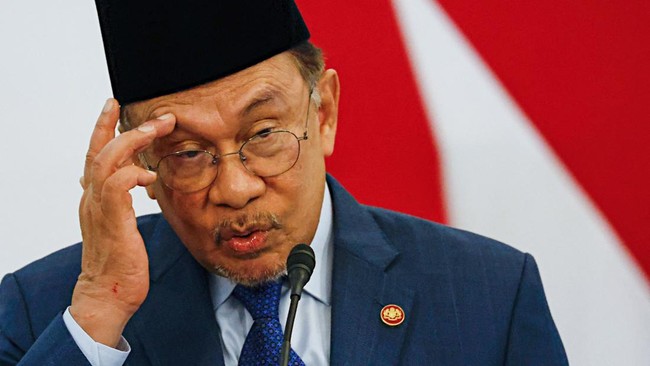
Malaysian Prime Minister Anwar Ibrahim faces mounting political pressure as defections from the People’s Justice Party (PKR) continue to spread. According to Reuters, the ruling party’s internal rift emerged after former Malaysian Economy Minister Rafizi Ramli left PKR to lead a new party called the Malaysian Unity Party (Bersama). Rafizi, long regarded as a protégé and close ally of Anwar, was previously considered a strong potential successor to the prime minister. The new party led by Rafizi is said to have received over 18,000 membership applications, with about a third coming from former PKR members. Although most defectors are grassroots members and local officials, the situation has raised concerns about PKR’s cohesion ahead of a possible early election. Anwar has led Malaysia since November 2022, after over two decades as an opposition figure advocating anti-corruption and political reform. However, his government has recently faced criticism over slow institutional reforms, corruption handling, and rising tensions within the ruling coalition. Hassan Abdul Karim, a PKR lawmaker and long-time Anwar loyalist, admitted he can no longer stem the flow of members leaving the party. ‘I still believe in PKR, but the party is wounded, suffering, and deeply wounded,’ Hassan wrote in a social media post. Hassan said Bersama could attract young voters, swing voters, and those focused on economic issues. ‘If more PKR MPs supporting Rafizi leave the party, Anwar will lose his legitimacy as prime minister,’ he added. Nevertheless, PKR denies a mass exodus of members to Rafizi’s new party. PKR Secretary-General Fuziah Salleh said member transfers were limited, while Information Chief Fahmi Fadzil stated the party gained around 5,000 new members in the past two months, bringing total membership to over one million. Although the government still holds a parliamentary majority, Nottingham University Asia analyst Bridget Welsh said PKR’s internal conflicts could weaken its electoral prospects. ‘How Anwar manages his party is crucial, as PKR’s internal issues do not reflect a healthy situation,’ Welsh said. Malaysia’s next election is currently scheduled for early 2028, but Anwar has previously indicated he may call an early poll if government internal conflicts escalate. Tensions within the ruling coalition have also been fueled by reformist dissatisfaction over corruption agency scandals and differing views on ethnic and religious issues in Malaysia. Last Monday, 21 local PKR leaders announced their resignations, with several regional leaders also stepping down this month. One of them described Bersama as the continuation of PKR’s original ideals. ‘We believe political parties must uphold the reform and democracy values promised to the people. Unfortunately, these principles are no longer consistently practiced in PKR,’ they stated in a joint statement.