
Malaysia Withdraws from US Reciprocal Trade Agreement, First in the World
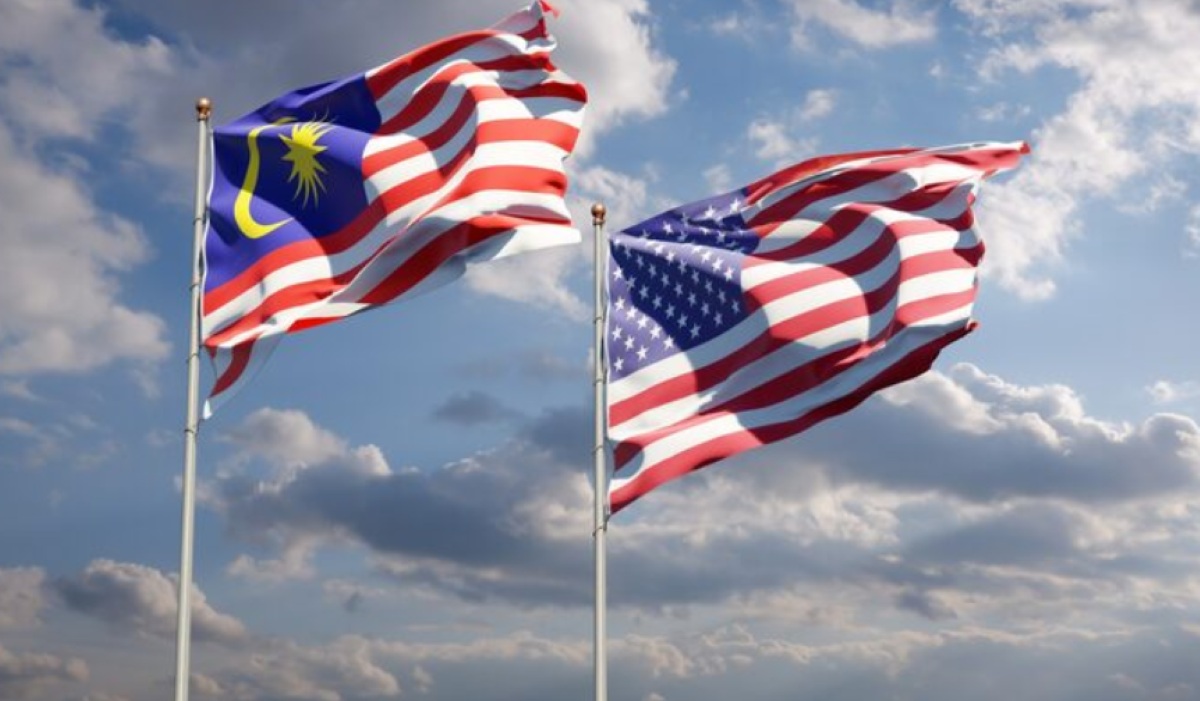
Malaysia has officially withdrawn from the Reciprocal Trade Agreement (ART) with the United States, becoming the first nation to cancel a pact previously negotiated under Washington’s reciprocal tariff framework. The move is expected to potentially trigger other countries to review similar agreements.
Malaysia’s Minister of Investment, Trade, and Industry, Johari Abdul Ghani, announced on Sunday, 15 March that the Reciprocal Trade Agreement between the two nations is no longer valid.
The decision was taken following the US Supreme Court’s ruling on 20 February 2026, which invalidated the Trump administration’s reciprocal tariff policy previously implemented under the International Economic Emergency Powers Act (IEEPA). The court determined that the president lacked legal authority to impose broad tariffs under that legislation, thereby nullifying the foundation of the trade agreement.
“The agreement is not suspended. It no longer exists, it is void, and it is not in effect,” said Johari. He added that the US still possesses other instruments, such as tariffs under Section 122 or Section 301 investigations.
The agreement was previously signed on 26 October 2025 in Kuala Lumpur by Prime Minister Anwar Ibrahim and President Trump. Negotiations were led by former trade minister Tengku Zafrul Aziz.
Under the agreement, Malaysia successfully avoided tariffs as high as 47% by negotiating a reduction to 24%, then further to approximately 19%. In return, Malaysia granted expanded market access and various policy concessions to the United States.
However, following the US Supreme Court’s decision to invalidate the reciprocal tariff policy, the Trump administration implemented a uniform 10% tariff on all trading partners under Section 122. This situation meant that countries with special agreements no longer gained preferential advantages compared to nations without such agreements.
Analysts identify two major factors that could drive other countries to follow Malaysia’s lead. Firstly, the economic value of the trade agreement has declined sharply following the invalidation of the reciprocal tariff policy.
Major trading partners including the European Union, Japan, South Korea, Vietnam, Indonesia, Bangladesh, and India previously received tariffs of 15%–20% and provided significant concessions regarding market access, procurement, and regulation. However, they now receive the same tariff treatment as countries that did not sign an agreement.
Secondly, trade pressure from Washington has continued despite the agreement. On 11–12 March 2026, the US Trade Representative Office (USTR) launched new investigations under Section 301 against major economies, including those with trade agreements with the US, concerning industrial policy and alleged forced labour practices.
This situation demonstrates that partner countries remain at risk of facing further investigations and additional tariffs despite having granted substantial concessions.
For many governments, this raises fundamental questions about the benefits of maintaining politically costly agreements if tariff treatment remains identical and trade pressure persists. Malaysia’s decision to cancel the agreement is expected to potentially trigger similar action from other nations.