
Malaysia Studies Nuclear Power for Long-Term Energy Security
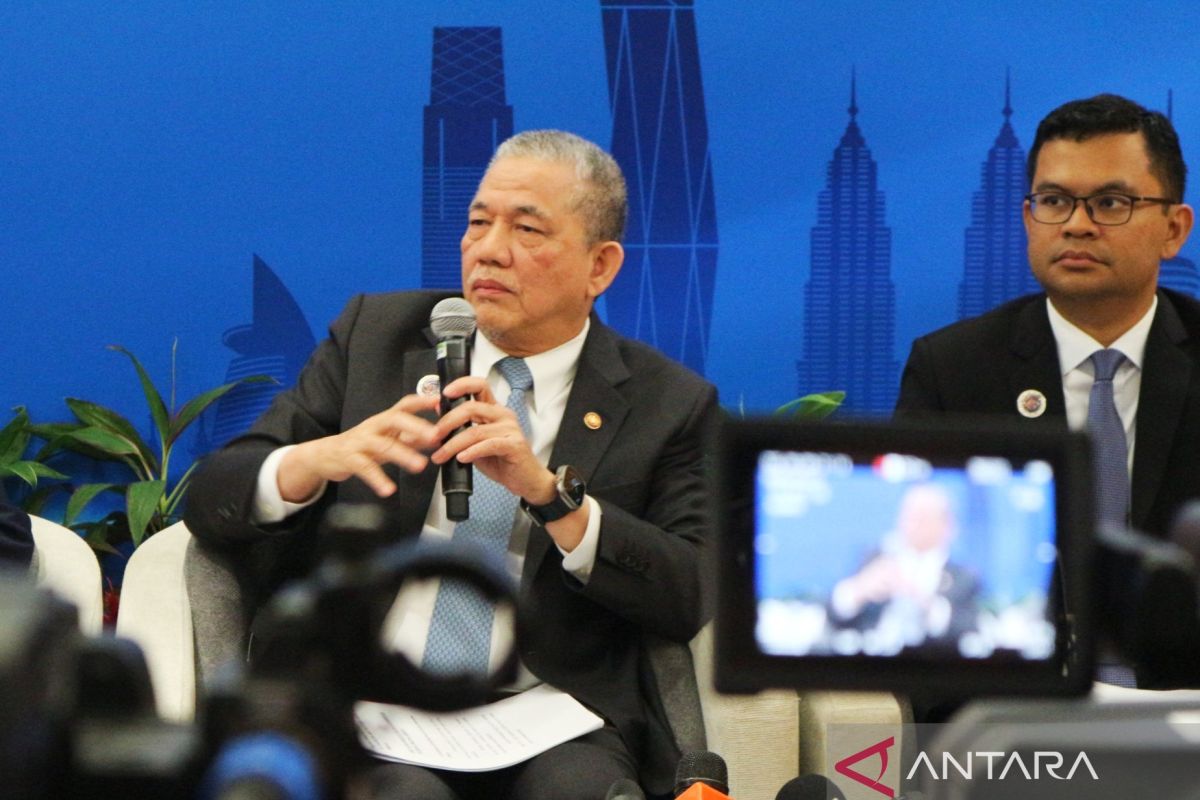
Kuala Lumpur (ANTARA) - Malaysia, through its specialised agency, is conducting a comprehensive assessment of the potential for a nuclear power programme.
The assessment covers policy development, legal and regulatory frameworks, project feasibility, industry participation, stakeholder engagement, and human resource development.
Deputy Prime Minister Fadillah Yusof, according to a BERNAMA report cited in Kuala Lumpur on Saturday, stated that the steps to explore nuclear power for electricity generation represent a strategic effort to strengthen long-term energy security while supporting the national clean energy transition.
He noted that the initiative aligns with the 13th Malaysia Plan (13MP) presented by Malaysian Prime Minister Anwar Ibrahim on 31 July 2025.
“The need to evaluate the feasibility of nuclear power is increasingly relevant amid a changing global energy landscape shaped by geopolitical uncertainties and fluctuations in fuel supply and prices,” said Fadillah Yusof, who is also the Minister of Energy Transition and Water Transformation (PETRA) Malaysia.
The nuclear power programme assessment is being carried out by MyPOWER Corporation Malaysia, an agency under the Ministry of PETRA, which has been appointed as the Nuclear Energy Programme Implementing Organisation (NEPIO) tasked with coordinating preparations based on a phased approach recommended by the International Atomic Energy Agency (IAEA).
Fadillah pointed out that global tensions, particularly in the Middle East and disruptions to major energy routes such as the Strait of Hormuz, have impacted energy markets and supply stability.
“In this context, nuclear power offers stable baseload capacity that is low-carbon and can reduce dependence on fossil fuels,” he said.
He added that several ASEAN countries are also reconsidering nuclear power as part of their diversification strategies.
The Philippines is targeting nuclear capacity of up to 4,800 megawatts by 2050, while Vietnam has reintroduced nuclear power into its national energy plan.
Meanwhile, Indonesia itself is exploring small modular reactors (SMRs), including floating reactors, with a target timeline around 2030.
Fadillah emphasised that Malaysia’s priority is to ensure that any future nuclear development is carefully evaluated through comprehensive technical analysis and aligned with national priorities and international obligations.