
Malaysia Implements WFH from 15 April as Anwar Ibrahim Increases Subsidy Budget
The Malaysian government is taking early action to address the potential surge in global energy prices by implementing a work-from-home policy for the public sector starting in mid-April. This step is part of efforts to contain the impact of the worsening global energy crisis expected in the near future.
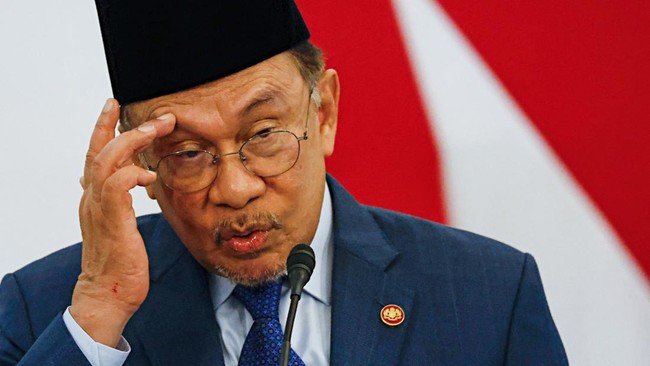
Malaysian Prime Minister Anwar Ibrahim announced that the work-from-home (WFH) directive for ministries, government agencies, statutory bodies, and government-linked companies (GLCs) will take effect on 15 April.
In his address on Wednesday (1/4/2026), as reported by The Star, Anwar stated that detailed guidelines for implementing WFH would be announced shortly. However, he emphasised that this policy is part of a broader strategy to safeguard national energy security and protect the public from sudden price spikes.
He said the government has chosen to act preemptively through the People’s Support Initiative, rather than waiting for the full impact of escalating conflicts in the Middle East to be felt by households and businesses. Anwar also warned that the global situation is expected to worsen before improving, with recovery likely to be a prolonged process.
Several measures have been prepared by the government to cushion the effects of rising energy prices. These include a monthly quota of 200 litres under the Budi Madani 95 scheme, as well as the full implementation of diesel subsidies in Sabah, Sarawak, and Labuan. He stressed that these policies aim to reduce the impact of global oil price increases while ensuring subsidies are more targeted.
Anwar revealed that the government is currently allocating around 4 billion ringgit per month to absorb oil price surges and protect consumers.
“This is no small matter. The government is providing an additional 4 billion ringgit to help the people, but of course our capacity is limited, and we must also consider the experiences of other countries,” he said.
In addition, the government is accelerating the diversification of Malaysia’s energy sources to ensure stable supplies of fuel and electricity amid global supply chain disruptions. He noted that the national oil company, Petroliam Nasional Berhad, has assured that oil and gas supplies are sufficient at least until May, which he described as a crucial buffer as Malaysia faces the crisis.
Anwar emphasised that the current situation can no longer be treated as normal. He urged all sectors to collaborate with the government to conserve energy and avoid waste.
“This is not a normal time. We must adjust our lifestyles and policies to protect the people and ensure the sustainability of energy supplies,” said Anwar.