
Malaysia Fine-Tunes Phased Work-from-Home Plan as Oil Supply Risks Rise
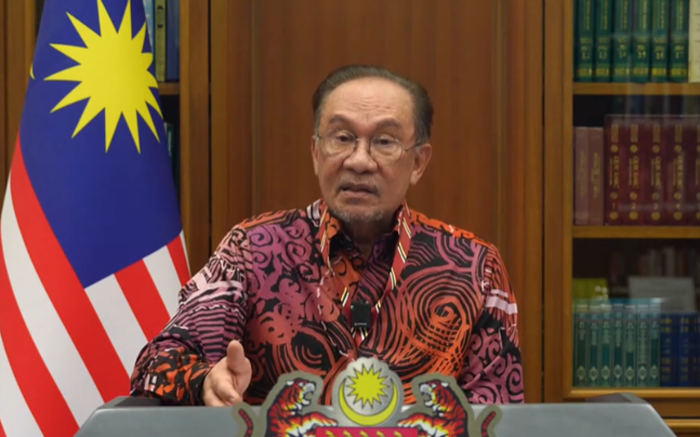
Anwar says flexible arrangements for civil servants will be rolled out selectively to cushion the impact of the West Asia crisis
Malaysia is fine-tuning a phased and selective work-from-home plan for civil servants as the government tries to cushion the impact of global oil supply disruptions linked to the West Asia crisis. Prime Minister Anwar Ibrahim said the measure is part of a broader effort to protect economic momentum while cutting waste and improving efficiency.
Government is preparing a selective WFH rollout
Anwar said the government is refining the implementation of flexible working arrangements, including work from home, for civil servants. He stressed that the policy will be introduced in phases and on a selective basis rather than as a blanket nationwide order. That means Malaysia is trying to use remote work as a targeted energy-saving and resilience measure, not simply as a return to pandemic-era arrangements.
The move is tied to oil supply concerns
The prime minister said the policy is being considered because of global oil supply disruptions arising from the West Asia crisis. Malaysia is trying to reduce exposure to fuel-related shocks at a time when higher global energy prices are putting pressure on governments across the region. This places Malaysia alongside other Southeast Asian countries that have also explored or introduced remote work measures in 2026 to reduce fuel and energy consumption.
Private companies are also being encouraged to follow
Anwar urged the private sector to adopt work-from-home practices as well, noting that several companies and banks have already done so. That suggests the government wants the energy-saving effect to extend beyond the public sector. Earlier this month, Malaysian officials said senior public service leaders were reviewing detailed WFH proposals for the public sector, showing that the idea has been under active policy discussion for weeks.
The policy will sit within a wider efficiency drive
In his address, Anwar said the government will continue to uphold discipline, avoid wastage and leakages, and ensure Malaysia’s economic growth remains resilient despite global turbulence. He also said Malaysia continues to attract investment interest even amid conflict and uncertainty. That framing shows the WFH policy is not being presented as an isolated labor decision, but as one part of a broader strategy to preserve economic stability during an external energy shock.
The key question is how broad the final rollout will be
Business groups have already cautioned that work-from-home arrangements should remain flexible and sector-specific, since not all industries can operate remotely. The Malaysian Employers’ Federation said earlier this month that manufacturing, logistics, retail, and physical operations cannot be treated the same way as office-based sectors. For Malaysians, the next important step will be the government’s final implementation guidelines. Those details will determine who qualifies, how often remote work is allowed, and how the state balances fuel savings with service delivery and productivity.
Malaysia’s phased work-from-home plan shows that Putrajaya is trying to respond early to energy and supply-chain risks rather than wait for a deeper crisis. The real test now is whether the final policy can save fuel and reduce pressure without disrupting public services or placing unrealistic expectations on sectors that cannot operate remotely.
Sources: The Star (2026) , The Star 2 (2026)
Keywords: Malaysia WFH plan, Anwar Ibrahim work from home, civil servants WFH Malaysia, oil supply disruption Malaysia, phased flexible working arrangement, West Asia crisis Malaysia