
Malaysia and Thailand Granted Permission to Cross Strait of Hormuz, Indonesia Still Struggling
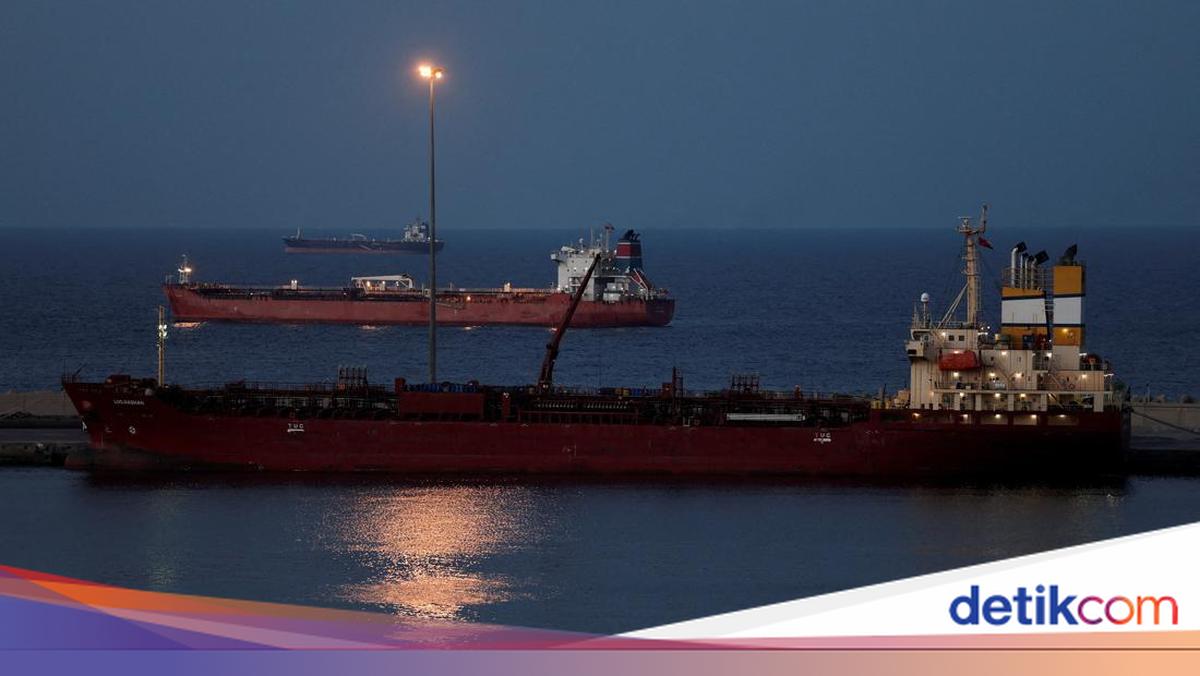
A number of countries have reached agreements with Iran to cross the Strait of Hormuz. Most recently, Thailand has been granted permission. Thailand is the second country in Southeast Asia after Malaysia to receive Iran’s approval.
Previously, ships from China, Russia, Pakistan, Iraq, and even India. However, negotiations between Iran and Indonesia remain challenging so far. Compiled by detikcom on Sunday (29/3/2026), the Strait of Hormuz, a strategic waterway for global energy supplies, has been affected by the ongoing war between Iran and the United States (US) and Israel, which began at the end of February.
Transit activities through the Strait of Hormuz have been effectively restricted since early March. This has triggered global disruptions, increasing shipping costs and pushing global oil prices higher.
The agreement between Bangkok and Tehran, as reported by AFP on Saturday (28/3), was announced by Thai Prime Minister Anutin Charnvirakul in a press conference on Saturday (28/3) local time.
“An agreement has been reached to allow Thai oil tankers to pass safely through the Strait of Hormuz,” said Anutin, adding that this development would reduce concerns about fuel imports.
“With this agreement, there is greater confidence that disruptions like those in early March will not recur,” he stated.
According to the US Energy Information Administration, more than 80% of the crude oil and liquefied natural gas (LNG) passing through the Strait of Hormuz is destined for Asia. Many Southeast Asian countries are bearing the brunt of fuel supply difficulties, with long queues at petrol stations in Thailand becoming increasingly common.
“The government will continue to adapt to the evolving situation and adjust measures to minimise the impact on the public,” Anutin said during the press conference.
Earlier this month, a Thai-owned bulk carrier sailing through the strategic waterway was attacked, with three crew members reported missing.
Commodity shipments through the Strait of Hormuz, according to tracking platform Kpler, reportedly plummeted 95% between 1 March and 26 March following the start of the war.
Iran’s Revolutionary Guard stated on Friday (27/3) that their forces had forced three ships attempting to cross the Strait of Hormuz to retreat. Tehran emphasised that the Strait of Hormuz is closed to ships sailing to and from ports owned by Iran’s “enemies.”
A report from the UK’s Maritime Trade Operations security agency, UKMTO, indicated that at least 24 commercial vessels, including 11 tankers, have been attacked or reported incidents in the waters of the Gulf, Strait of Hormuz, or Gulf of Oman this month.
Indonesia Still Struggling
It was previously reported that two Pertamina tankers remain detained in the Arabian Gulf because Iran has not yet opened access to the Strait of Hormuz for Indonesia. At the same time, countries like Malaysia have already been granted permission to transit.
Minister of Energy and Mineral Resources Bahlil Lahadalia stated that the government is still working to release the ships through ongoing communication and intensive negotiations.
“Yes, we are still communicating continuously. It is indeed not easy for us to figure out how to get our ships out of the Strait of Hormuz,” said Bahlil at the Coordinating Ministry for the Economy office in Jakarta on Friday (27/3/2026), as reported by detikFinance.