
Majority of Pulomas Residents Reject Padel Court, Only 3 Families Approve
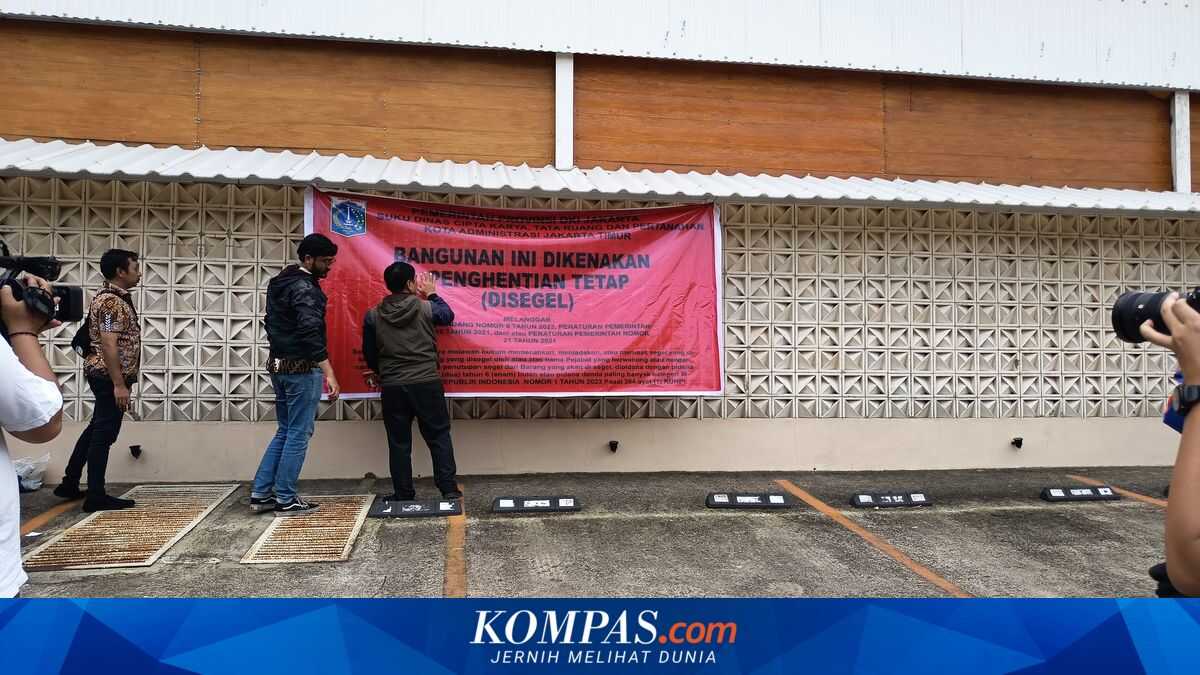
JAKARTA, KOMPAS.com – Opposition to the operation of a padel court in the Pulomas area, RT 05/RW 13, Kayu Putih Village, Pulogadung District, East Jakarta, is growing. The majority of local residents have requested that the sports facility be closed because it is considered to be disrupting the peace and quiet of the neighbourhood and has been deemed legally problematic.
Nelson, the head of RT 05/RW 13, said that out of a total of 16 households in his area, only three support the existence of the padel court. “Of the 16 residents, three support the padel court. The other 13 do not. This is because of the noise, and also because the customers’ cars drive fast,” said Nelson in the Pulomas area on Thursday (26/2/2026).
“Besides, there are many elderly people on my right-hand side. So, I feel sorry for the elderly,” he explained. Nelson said he was grateful for the steps taken by the East Jakarta City Government in sealing the court. “I am grateful that the central government has paid attention to the padel court, especially the padel court in Pulomas. It may also take action on other padel courts in Jakarta.”
However, he admitted that there are parties who support the operation of the padel court and oppose the sealing. However, the majority of residents still want the closure to continue. “Even though there are parties who support the padel court and do not agree with the sealing carried out by the East Jakarta City Government, the residents are asking for the sealing to continue,” he explained. The court, which is located in the middle of a residential area, has been protested for months because it is considered to be causing noise and traffic congestion in the local area. As observed by Kompas.com at the location, the sealing was carried out by a team from the Citata Sub-district, accompanied by the Public Order Agency (Satpol PP), the Head of Pulogadung District, Syafrudin Chandra, and the Head of Kayu Putih Village, Tuti Sugihastuti. The officers first met with the security personnel of the court to explain the purpose of their visit and also asked the owner to be present at the location. Shortly after, the owner arrived and coordinated with the officers before the sealing was carried out in the inner area of the court and the installation of a boundary line.