
Majority of EVs Are Second Cars, Progressive Tax Proposed
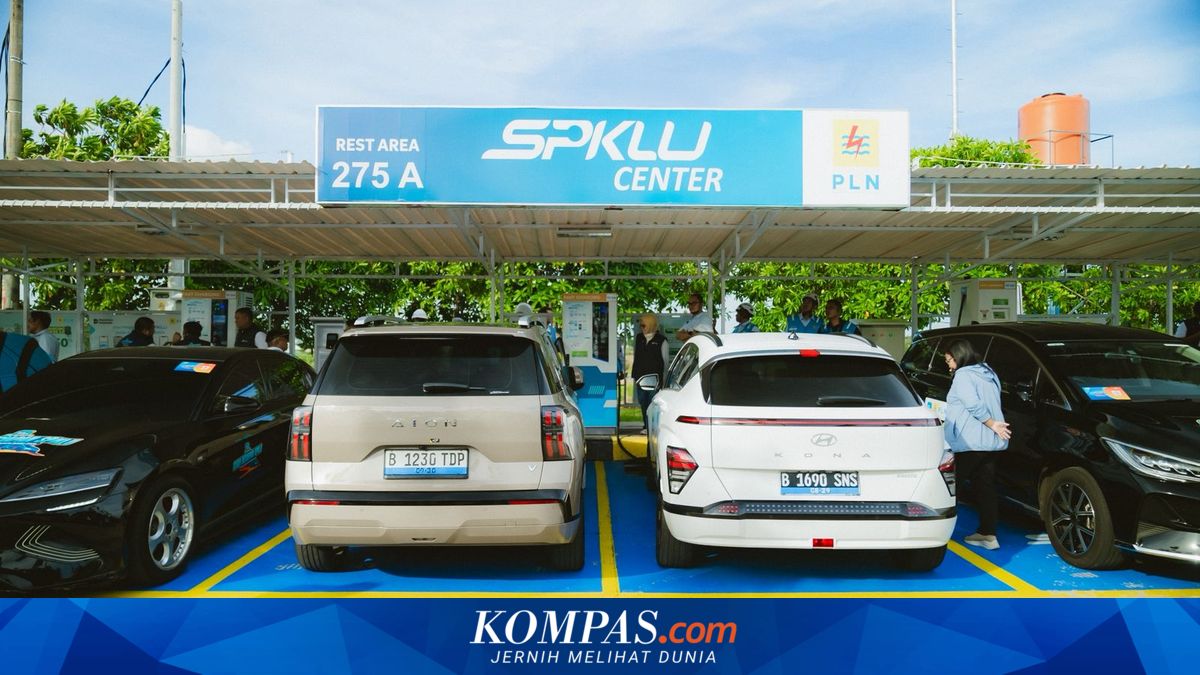
JAKARTA, KOMPAS.com — The trend of electric vehicle use in Indonesia has continued to rise in recent years. National sales of electric vehicles in 2025 reached 103,931 units.
However, behind this growth, the majority of electric vehicles are apparently owned as second cars.
Andry Satrio Nugroho, Head of the Industrial and Transport Decarbonisation unit at INDEF’s Green Transition Initiative (GTI), explained that, based on their calculations, 66.2 per cent of the national electric vehicle fleet in 2025 is owned as second vehicles. Meanwhile, first ownership of electric vehicles remains very small, at around 4 per cent.
Under this scheme, the first EV owner would continue to receive support to ensure adoption keeps growing, while second and subsequent owners could start to be taxed.
“This scheme can preserve interest while guaranteeing certainty for people who are about to move from fossil-fuel vehicles to electric vehicles,” Andry told Kompas.com on Friday, 22 May 2026.
He added that the implementation of a progressive tax should be positioned as an option of last resort in motor vehicle taxation policy.
“If this progressive tax is indeed the last option, which is obviously not the preferred one. But if motor vehicle tax must be implemented, then the win-win solution is to apply tax to second and subsequent owners,” he continued.
Andry emphasised that the progressive tax scheme is not the primary choice, but the last resort if motor vehicle tax policy must be applied.
According to him, the most ideal approach is to provide full incentives for users who are buying for the first time or becoming early adopters.
Meanwhile, taxation can be imposed on second and subsequent ownership as a form of fairness and revenue, considering that motor vehicle tax is also used to finance road infrastructure and public transport.
“So the aim is to provide incentives to those early adopters. Those who have just acquired their first EV can be exempted. But when they become second or more owners, this is what I think could be taxed,” Andry said.
Andry estimated potential revenue from the EV tax on second and subsequent ownership could reach Rp 1.9 trillion per year.
That figure could become a new local revenue source without directly burdening those who have just switched to electric vehicles.