
Maintaining stability, enhancing labour market quality
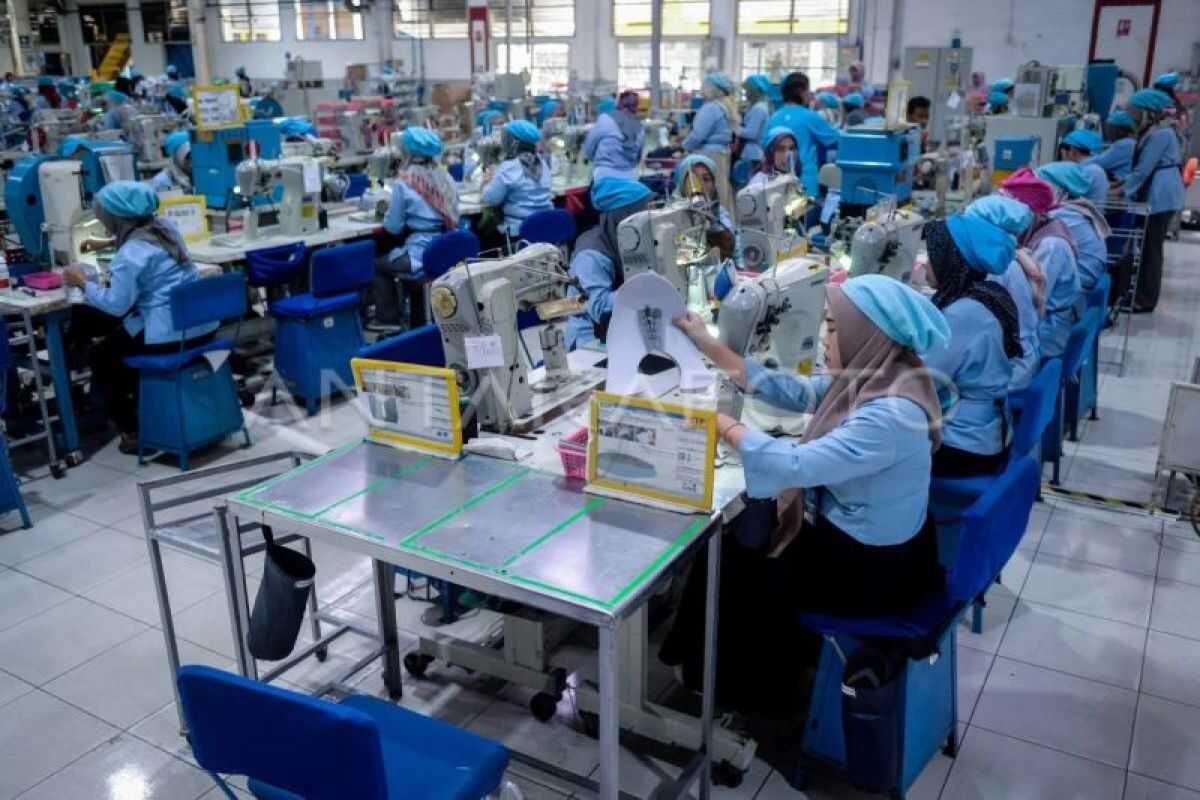
Indonesia’s labour market in November 2025 demonstrated relatively stable conditions, with positive quantitative indicators.
The Open Unemployment Rate (OUR) was recorded at 4.74 per cent, declining compared to August 2025. The employed population reached 147.91 million people. The workforce expanded and the labour force participation rate increased to approximately 70.59 per cent. The additional labour entering the market was absorbed without triggering unemployment increases.
This official release from the Central Statistics Agency indicated that from a quantitative perspective, there were no significant pressures in the labour market. Within the context of a global economy still facing slowdown and uncertainty, this stability forms an important foundation for sustaining domestic growth.
However, low unemployment is not the sole measure of labour market health. The structure of employment absorption, employment status, productivity, and wage dynamics are equally important determining factors of quality. This is where analysis must be deepened.
The sectoral structure of employment remained relatively consistent over recent years. In November 2025, approximately 27.99 per cent of the workforce was in agriculture, forestry, and fishing. The wholesale and retail trade, repair and maintenance of automobiles and motorcycles sector absorbed approximately 18.67 per cent of the workforce, whilst manufacturing accounted for roughly 13.86 per cent. These three sectors remained the largest employment absorbers.
This dominance reflects that economic structural transformation is occurring incrementally. Indonesia has experienced growth in modern service sectors and certain industries, but not at a scale that significantly shifts the composition of the workforce. The majority of workers remain in labour-intensive sectors with low to moderate value-added.
The implications are evident in productivity and wage movements. So long as the workforce remains concentrated in sectors with limited value-added, the space for national income growth will move slowly. Economic structural change does not occur in a short timeframe, particularly in countries with Indonesia’s characteristics of vast and heterogeneous geography.
Nevertheless, there were positive dynamics in certain sectors. The accommodation and food service provision sectors recorded meaningful increases in worker numbers. Manufacturing also demonstrated additional labour absorption. This indicates that real economic activity and domestic consumption remained active.
Regarding employment status, approximately 42.30 per cent of the workforce was in the formal sector. The remainder remained informally employed. There was an increase in the proportion of formal workers in November 2025 compared to August 2025, though it was not significant.