
Maintaining Mental Health Post-Disaster: Children and the Elderly are the Most Vulnerable Groups
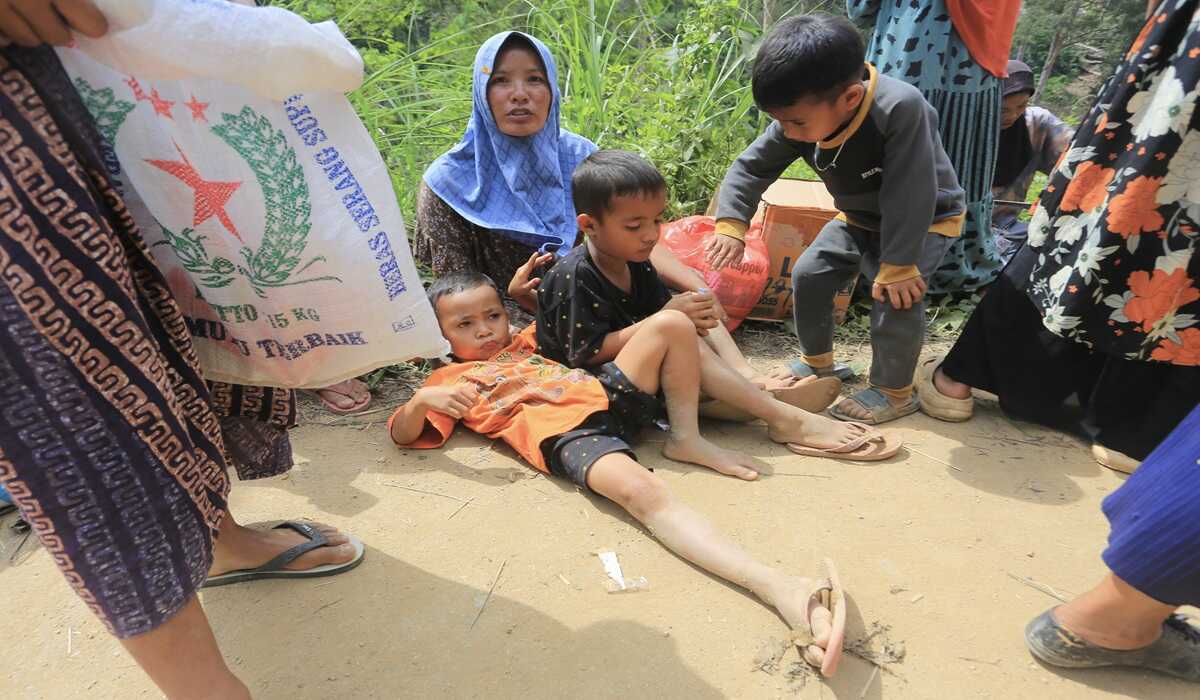
Natural disasters not only cause physical damage but also leave deep psychological impacts on survivors. Anna Aulia, a clinical psychologist and volunteer from the Ministry of Health’s Emergency Health Team (TCK) in Aceh Tamiang, emphasizes that children and the elderly are the most vulnerable groups to experience post-disaster trauma.
According to Anna, identifying trauma in children requires special sensitivity because they are not yet able to verbally communicate their feelings. “Children don’t always say they are afraid or sad. It is usually seen in their behavior, for example, they become tantrum, easily angry, or cry a lot,” said Anna, quoted on Wednesday (February 25).
She warned that trauma that is not addressed seriously can have long-term effects, ranging from decreased concentration, disruption of the learning process, to obstacles in children’s emotional development.
Meanwhile, the elderly have different psychological challenges. Anna believes that approaching this age group tends to be more difficult, especially for those who are isolated or separated from their families during the disaster.
“The elderly usually take longer to approach. They think about loss, being far from children and family,” she explained.
Even though adults have better abilities to express emotions, they still have the potential to experience severe trauma, especially if they experience the loss of family members, homes, or jobs.
In practice in Aceh Tamiang, Anna and her team conduct initial screenings to identify survivors with indications of severe trauma. Those who are indicated will receive special assistance in the form of trauma healing, while psychosocial services are provided broadly to rebuild a sense of security and strengthen community social connections.
Anna emphasizes that even though the intervention of professional personnel is very necessary, support from those closest to them remains the key to recovery. “Volunteers are only facilitators. The most important role is played by those closest to them,” she said.
The deployment of TCK volunteers in Aceh is part of the Ministry of Health’s program to strengthen health services after the flood disaster. This step is taken to ensure that all health services, including mental health support for affected communities, can continue to run optimally in the field.
With a comprehensive approach, ranging from early detection to strengthening social support, it is hoped that trauma recovery can run more effectively so that survivors can rebuild their lives with a sense of security and stability. (Ant/Z-1)