
Maintaining an Ideal Weight During Fasting: See the Guidelines and Healthy Limits
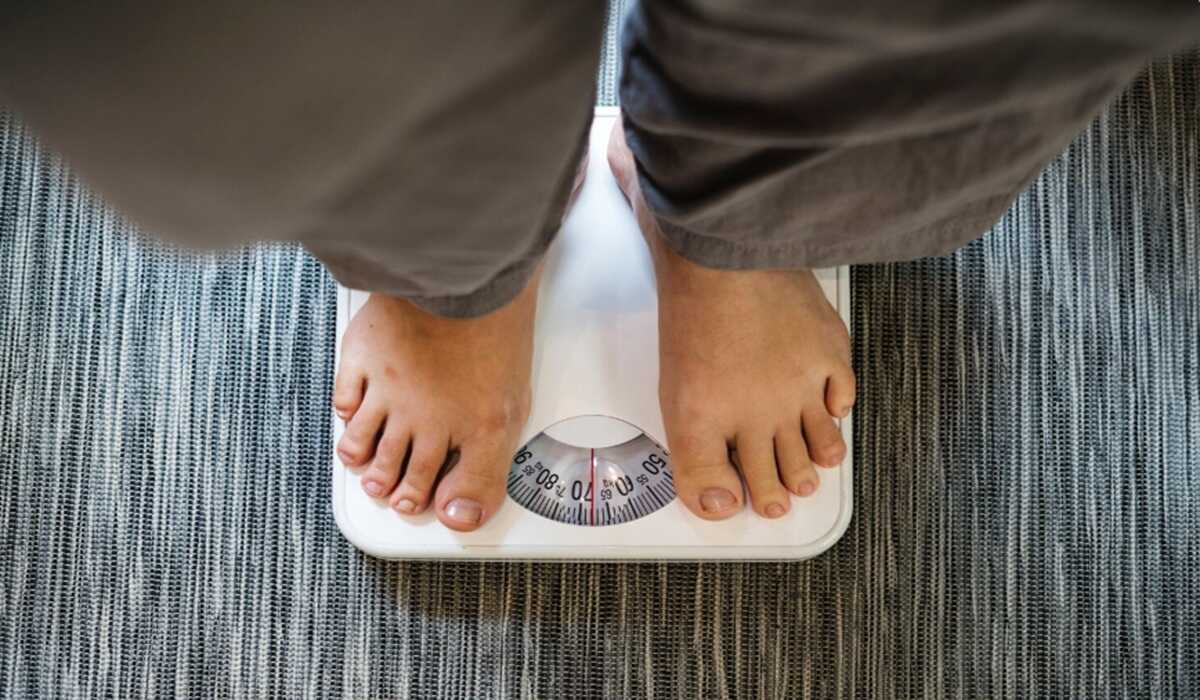
Losing weight is often an expected side effect for many people during Ramadan. However, it is important to understand that this process is a normal physiological response due to metabolic changes in the body, not something that should be forced drastically.
Dr. Andi Kurniawan, a Sports Medicine Specialist from the University of Indonesia, emphasizes that there are limits to weight loss that are considered normal and healthy.
As a simple guideline, ideal weight loss ranges from 0.5–1 kg per week, or no more than 4 kg during a full month.
“As a simple guideline that is easy to understand, normal weight loss is 0.5–1 kg per week, or no more than 4 kg in total during the month of Ramadan,” said Andi, Thursday (26/2).
Physiologically, the human body does undergo changes during fasting. In the first 12–14 hours without intake, the body will use up about 100–120 grams of muscle glycogen reserves. After these reserves are depleted, the body begins to carry out gluconeogenesis (the production of glucose from protein and fat) and break down fat (lipolysis) to meet energy needs.
However, Andi warns that drastic weight loss, namely more than two kilograms per week, is a sign of danger. This condition carries the risk of severe dehydration or loss of muscle mass (sarcopenia). The symptoms can include severe, persistent dizziness, inelastic skin, and extreme fatigue that does not improve even after breaking the fast.
Not everyone has the same response. Individuals who are overweight or obese tend to experience greater weight loss compared to those with normal weight. Meanwhile, for the general population, the average weight loss during 30 days of fasting ranges from 0.5 to 1.5 kg. For active individuals who continue to exercise and maintain a healthy diet, weight loss of up to 2 kg in a month is still considered healthy as long as muscle mass is maintained.
However, Andi emphasizes the importance of close monitoring for certain groups. The elderly over 60 years of age are at risk of experiencing muscle loss that is difficult to recover. Similarly, people with diabetes who use insulin, as well as teenagers who are still in the growth phase.
“People with type 1 or type 2 diabetes who use insulin must closely monitor their weight and blood sugar. Teenagers who are still in the growth phase also need special attention because nutrient deficiencies can interfere with bone growth and cognitive development,” he explained.
Ultimately, eating habits during iftar are the key. “This does not happen to everyone, your lifestyle during iftar plays a key role,” Andi concluded. (Ant/Z-1)