
Lut Tawar agriculture in Aceh stalled due to disaster-damaged irrigation
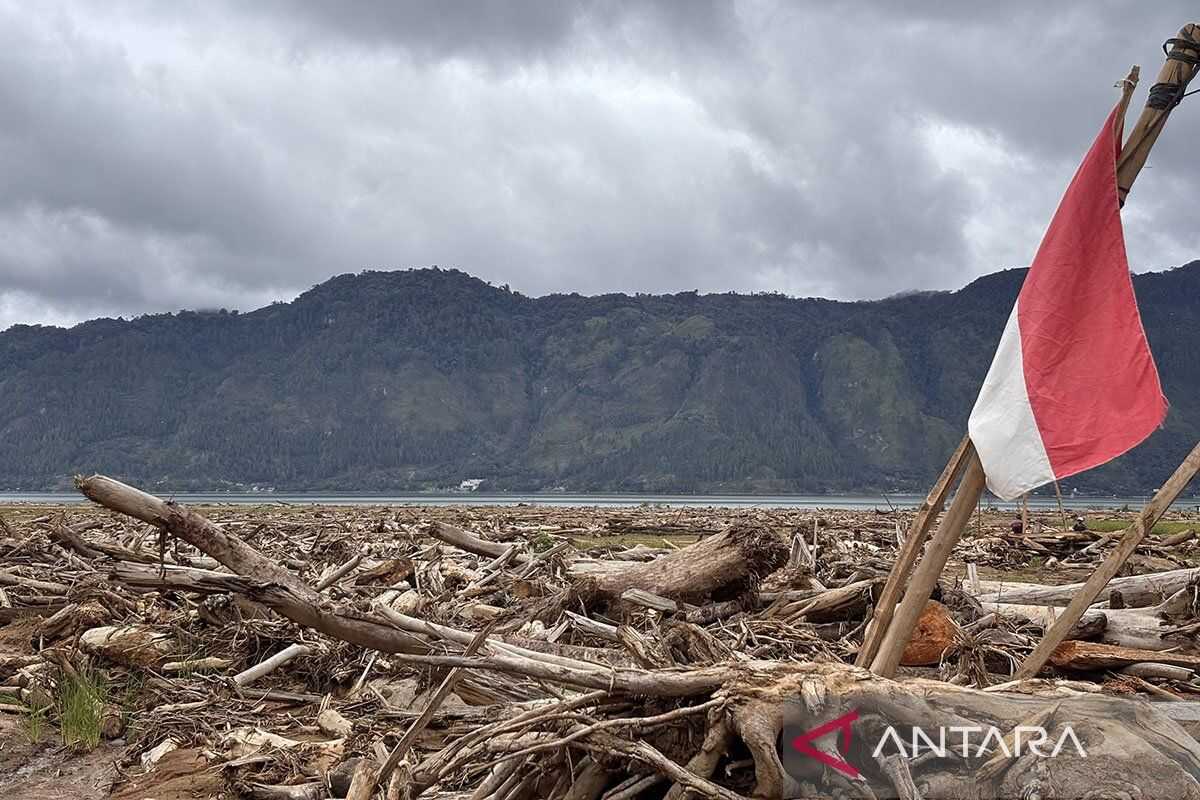
Central Aceh (ANTARA) — Irrigation channels buried under mud from catastrophic flooding have brought agricultural and plantation activities across parts of Lut Tawar sub-district, Central Aceh regency, to a standstill.
Logs carried by the floodwaters that struck farming and plantation areas remain strewn across the land, with residents still unable to clear them approximately 75 days after floods ravaged the region between 25 and 30 November last year.
“At present, farming and plantations are struggling for water, so it is quite difficult for people to plant onions now. Onions require water,” said Toweren village head Sirwan to ANTARA on Tuesday.
“As for the rice paddies going forward, they will need water flowing to them, but the irrigation system has already been buried,” he added.
Toweren village has been severely affected, with the majority of its residents working as farmers and plantation workers. They are struggling to remove the massive logs left behind by the floods.
The people of Toweren are rice farmers who also cultivate other crops such as onions and coffee, which are supplied to several provinces.
Sirwan assessed that restoring paddy fields and plantations to their former condition would take considerable time, as soil productivity has declined sharply due to mud deposits.
One disaster survivor, Khadijah, said she can currently only seek assistance from the government or help from neighbours, having lost her livelihood entirely.
Khadijah hopes to obtain additional capital to resume planting on her plot, which has been buried by landslides. “For the time being, the plantation will take a long time before it can be cultivated again. It will be about a year, because the landslide created a ravine below — only once trees grow back will we be able to work the land again,” she said.
According to data from the Aceh Flood and Landslide Response Command Post, some 12,638 hectares of coffee plantations in Central Aceh suffered severe damage. Additionally, 4,100 hectares of chilli fields, 2,787 hectares of rice paddies, and 38 hectares of fishery areas were also affected by the flooding.