
Lupus: Causes, Symptoms, and Risk Factors to Be Aware Of
Lupus is a chronic autoimmune disease that can affect various organs in the body. Known as the ‘disease of a thousand faces’, its symptoms are highly variable and often mimic other conditions, making early diagnosis challenging. Medically termed systemic lupus erythematosus (SLE), it occurs when the immune system, which normally protects against viruses and bacteria, mistakenly attacks healthy cells and tissues. This leads to inflammation in multiple areas, including the skin, joints, kidneys, lungs, and brain, with severity varying between individuals and symptoms fluctuating over time.
In a healthy body, the immune system acts as a natural defence. However, in lupus patients, the immune system malfunctions, misidentifying healthy cells as threats. This ongoing inflammation can cause organ damage if untreated. Due to the wide range of symptoms, diagnosis typically requires thorough medical examination. Early treatment is crucial to manage symptoms and prevent severe complications.
Lupus has several types, with systemic lupus erythematosus (SLE) being the most common, affecting multiple organs simultaneously. Other types include discoid lupus erythematosus, which primarily affects the skin, causing rashes on sun-exposed areas like the face, neck, ears, arms, and legs, and may lead to hair loss and bald patches. Drug-induced lupus, triggered by certain medications such as anticonvulsants and antiarrhythmics, is usually temporary and resolves after stopping the drugs. Neonatal lupus, a rare form present at birth, occurs in infants whose mothers have lupus, though it isn’t always directly inherited.
The exact cause remains unknown, but experts believe a combination of genetic, hormonal, lifestyle, and environmental factors plays a role. Genetic mutations may increase risk, and estrogen is thought to contribute to the higher prevalence in women. Lifestyle factors like smoking, chronic stress, and a history of other autoimmune diseases elevate risk, as do environmental exposures such as pollution and excessive sunlight.
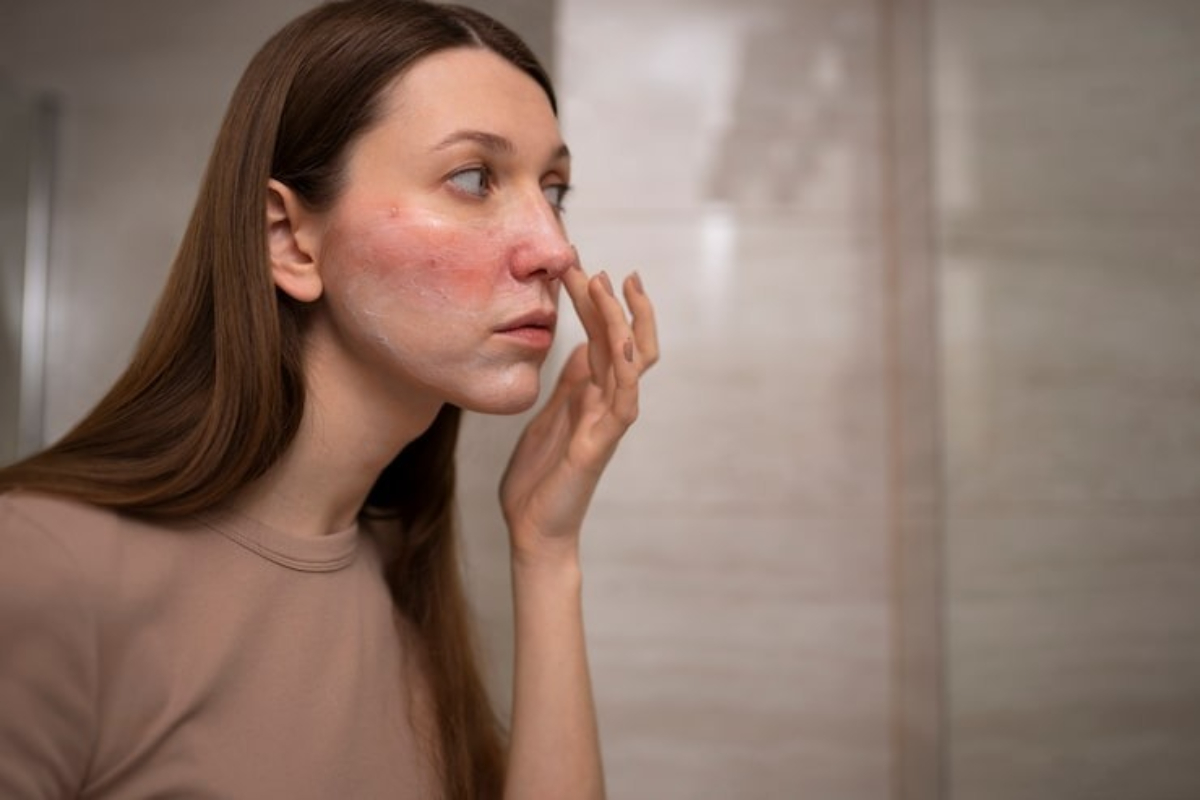
Symptoms can emerge gradually or suddenly, varying in intensity. Some experience flare-ups with periods of remission. Common symptoms include fatigue, fever, joint pain and stiffness, and a butterfly-shaped rash on the cheeks and nose. Other signs include skin sensitivity to sunlight, shortness of breath, chest pain, dry eyes, headaches, concentration issues, Raynaud’s phenomenon (fingers or toes turning pale in cold or stress), mouth ulcers, hair loss, swollen lymph nodes, limb swelling, and seizures.
Beyond medical treatment, lifestyle changes are vital for managing lupus. Early detection requires multi-sector collaboration between central and local governments, professional organisations, BPJS Kesehatan, and media. Each individual may experience different symptoms, with no single combination serving as a definitive indicator.