
Lung Cancer Trends in Indonesia: Younger Patients, Importance of Early Detection
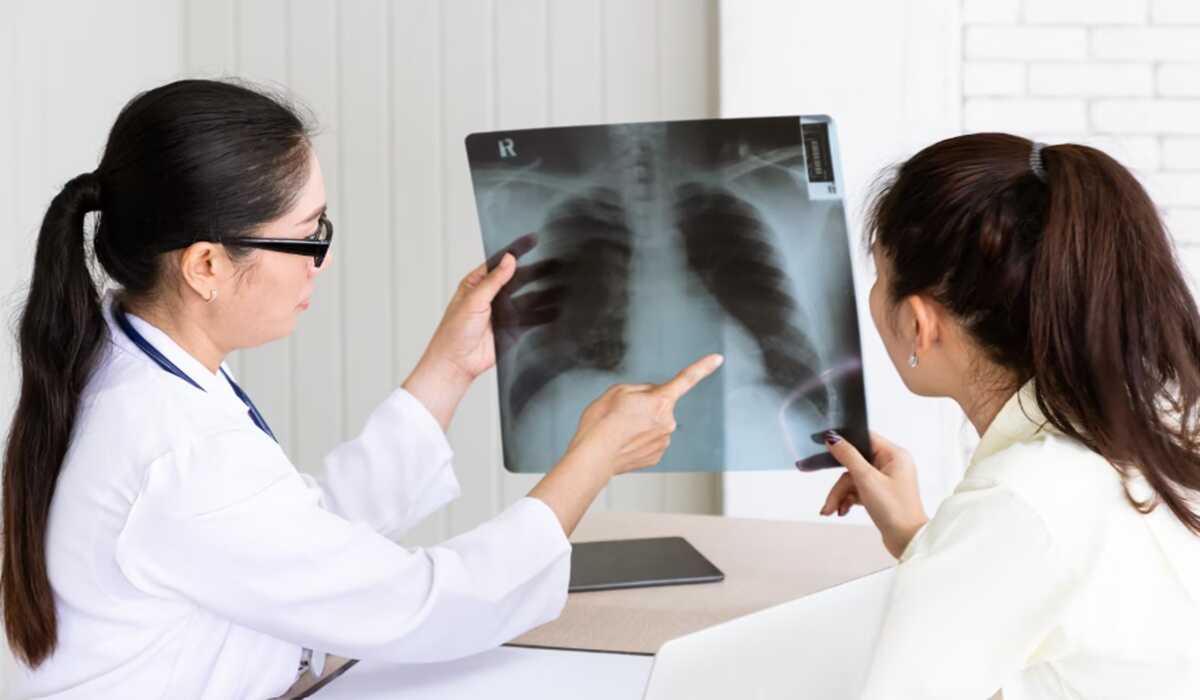
Lung cancer is now a growing threat in Indonesia. Dr. Sita Laksmi Andarini, a thoracic oncology specialist, revealed the concerning fact that the age of lung cancer patients in Indonesia tends to be 10 years younger compared to patients in other countries.
Not only that, an increase in cases has also been recorded in women and younger age groups who do not smoke. At the World Cancer Day Media Conference in South Jakarta, Sita emphasized the urgency of this condition.
“In Indonesia, the age of lung cancer patients is 10 years younger compared to abroad. The numbers are also increasing, especially in women who do not smoke and in younger age groups,” she said.
Statistically, lung cancer is the most common type of cancer affecting men in Indonesia and ranks third for all new cases. Although globally, this disease ranks first as the leading cause of death from cancer, Sita emphasized that many cases are actually preventable.
The biggest risk factor still comes from exposure to cigarette smoke. In addition, exposure to asbestos, air pollution, especially fine particulate matter PM2.5, a history of tuberculosis, and genetic factors in the family are major contributors.
“The highest risk is exposure to cigarette smoke. By avoiding cigarette smoke, about 80% of chronic diseases, including lung cancer, heart disease, and stroke can be prevented,” she said.
A major challenge in handling lung cancer in Indonesia is the delay in detection. About 90% of patients are only diagnosed when the cancer is already at an advanced stage. In fact, the progression of the stage from the early stage to the advanced stage is relatively fast, namely within one to one and a half years.
Therefore, the public needs to distinguish between screening and early diagnosis. Screening is carried out on high-risk groups who have not shown symptoms, while early diagnosis is carried out after symptoms appear. In Indonesia, lung cancer screening is recommended for those aged 45 to 71 years who meet certain criteria, such as active smokers, passive smokers, former smokers who have quit less than 15 years ago, or individuals with a family history of lung cancer. The method used is a low-dose, non-contrast CT scan.
Early detection is the key. In addition to significantly increasing survival rates, early detection is also more cost-effective. Conversely, delayed treatment at an advanced stage requires more complex therapy and treatment costs that can increase several times over. (Ant/Z-1)
Recent research reveals that the timing of immunotherapy administration greatly affects the survival rate of lung cancer patients. Patients who are treated before 3 p.m. show much better results.
A series of foods that increase the risk of lung cancer include ultra-processed foods.
A study by NYU Langone Health found that blocking the FSP1 protein can weaken lung cancer tumors by up to 80% through the ferroptosis mechanism.
Lung cancer can develop rapidly and spread to other parts of the body, making it one of the deadliest types of cancer in the world. The Ministry of Health is also preparing 514 immunohistochemistry laboratories in cities to support diagnosis with higher accuracy.