
Lung Cancer: A Serious Threat Lurking Among Non-Smokers of Working Age
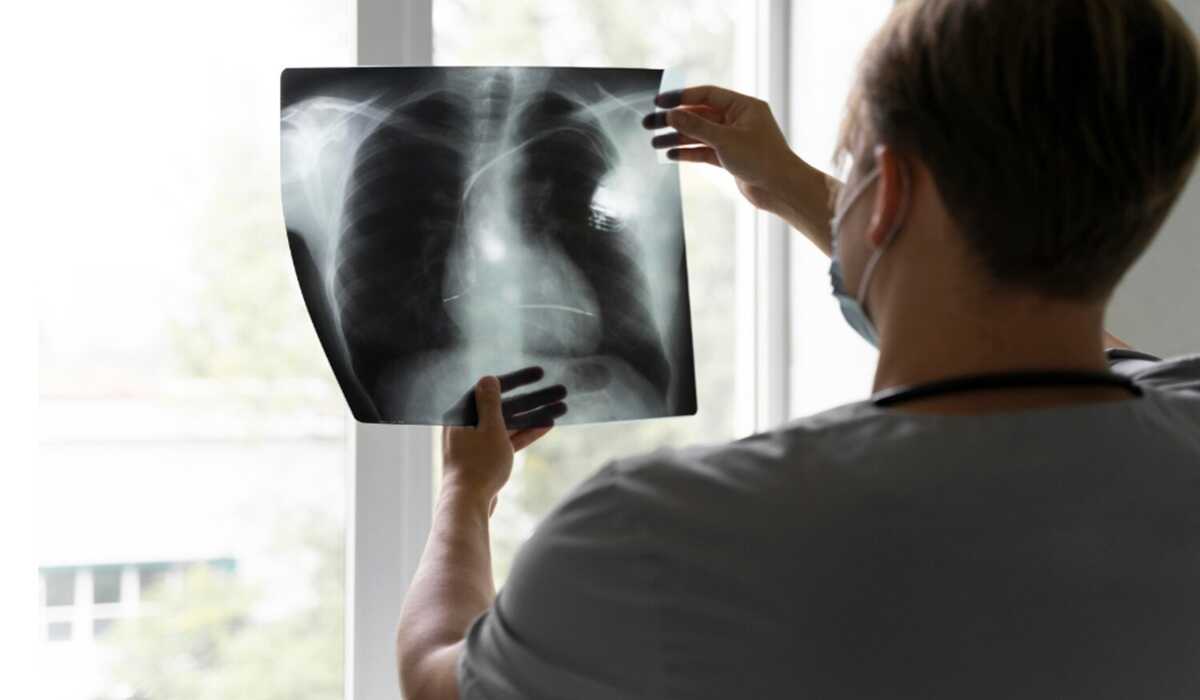
The assumption that lung cancer only affects active smokers has been dispelled by the latest medical reality. Dr Tanujaa Rajasekaran, Senior Consultant in Medical Oncology from Parkway Cancer Centre (PCC), revealed that lung cancer is the second most common type of cancer found in both men and women, including those who do not smoke.
During a media briefing titled “The Shifting Demography of Cancer in Indonesia: Lung Cancer in the Productive Age” in Jakarta on Thursday, 26 February, Tanujaa presented data on the spread of cases in the community.
“Amongst men, lung cancer is the number one case, but amongst women, it ranks fifth. And if we combine men and women, lung cancer is number two, so in all populations lung cancer is the most common occurrence,” said Tanujaa.
Medically, there are differences in the types of cancer affecting patients based on their smoking habits. Tanujaa explained that approximately 10% of smoker patients can develop small-cell lung cancer. Conversely, 90% of other patients, dominated by non-smokers, develop non-small-cell lung cancer.
To date, researchers are still investigating the exact cause of lung cancer in non-smokers. Strong suspicion points to cell mutation abnormalities that develop into uncontrolled cancer gene mutations. Age factors that trigger a decline in cell function, combined with exposure to environmental factors, also increase a person’s risk of developing this disease.
One of the biggest challenges with lung cancer compared with prostate, breast, or colon cancer is the high mortality rate. This is due to minimal early symptoms, so many patients are only diagnosed when they have already reached the final stage. “Unlike lung cancer, it usually occurs at an already advanced stage, when advanced symptoms appear and many have already metastasised, meaning it has already spread to other organs in the body, and the longer lung cancer is detected, the lower the life expectancy,” she explained.
Common symptoms to watch out for include fatigue, chest pain, prolonged cough that does not subside, and dramatic weight loss without clear reason. Often, these symptoms are only felt significantly when the disease has reached stage three or four.
Tanujaa emphasised that early detection is the key to improving the chances of recovery. For individuals who have a family history of lung cancer or experience symptoms of chronic fatigue, it is highly recommended to undergo low-dose CT scans. This procedure has been shown to reduce mortality from lung cancer by up to 20%.
“When we screen for early detection, when we detect we have stage 1 cancer, the life expectancy can be up to 90% or more. Compare that to when we have already reached stage 4, it drops significantly to only around 20%,” she concluded.
The air we breathe every day apparently harbours a real threat of lung cancer for those who have never touched cigarettes in their lifetime. Particles 30 times smaller than a strand of hair can trigger major hospital operations such as lung cancer. This is the journey of PM2.5 in the human body.
Recognise immunotherapy as a solution for treating lung cancer in the productive age group (30–50 years). Increase life expectancy without disrupting daily activities. Over the past two decades, lung cancer treatment has shifted from an approach dominated by chemotherapy to highly personalised care.
Lung cancer cases in Indonesia emerge 10 years earlier than the global average. Non-smoking women are now a high-risk group due to pollution and genetic factors. Lung cancer does not only attack smokers. Cigarette smoke, pollution, asbestos, radon, and genetic factors can increase the risk to non-smokers.