
Luhut Admits 2.7 Million Social Aid Recipients Are Mistargeted Due to Data Errors
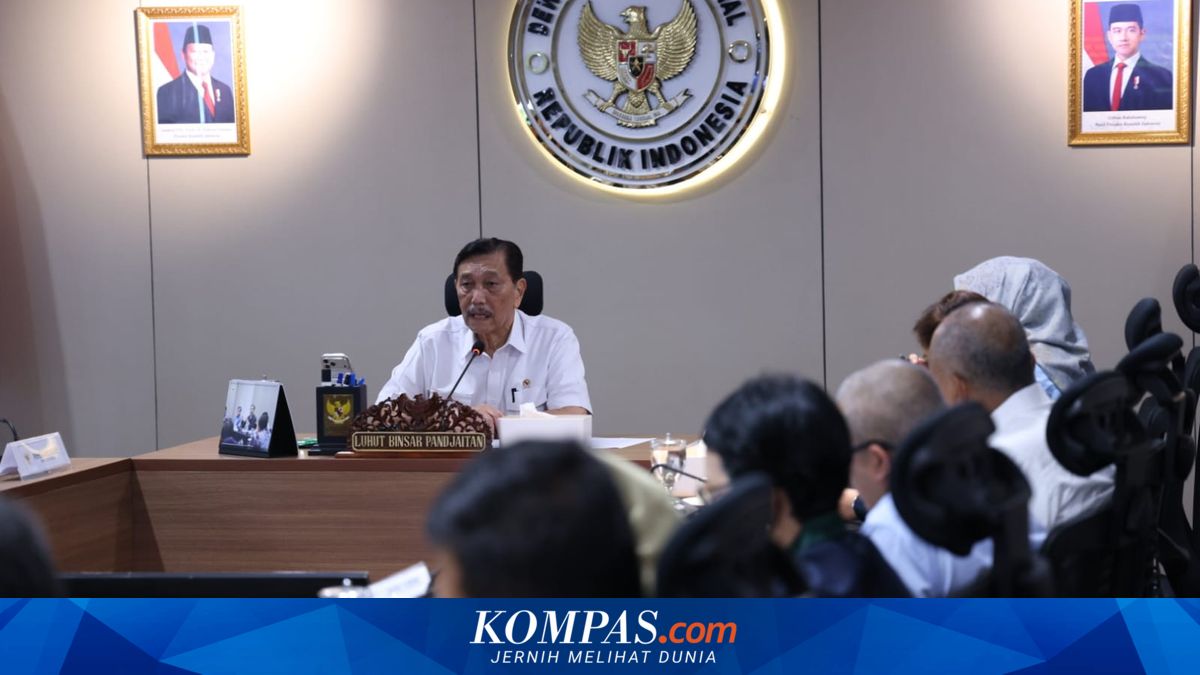
JAKARTA - As many as 3 million people from desil 1, or the extremely poor group, have yet to receive social assistance (bansos) from the government.
The Head of the Government Digital Transformation Acceleration Committee (PTDP), Luhut Binsar Pandjaitan, has acknowledged that this issue arises from errors in social aid distribution data (exclusion error), resulting in the rights of beneficiaries not being fulfilled.
He made this admission while leading the Coordination Meeting on the Utilisation of Data and Digitalisation of Social Assistance (Bansos) across ministries and institutions (K/L) at the Ministry of Social Affairs (Kemensos) office on Wednesday (6/5/2026).
“There are still exclusion and inclusion errors, which is something we must and are addressing together through a more precise digital system,” Luhut stated, as quoted from an official press release on Friday (8/5/2026).
In addition to the data errors affecting 3 million extremely poor individuals, the government has also recognised the presence of inclusion errors.
In contrast to exclusion errors, these data inaccuracies have led to 2.7 million people from desil 4, or the vulnerable poor group, receiving bansos.
However, they should not be included in the group of social aid beneficiaries.
Data from the Ministry of Social Affairs records that the Family Hope Programme (PKH) currently reaches 10 million Beneficiary Families.
Meanwhile, the staple food social aid programme reaches more than 18 million Beneficiary Families.
To mitigate these issues, the government is relying on data integration across ministries and institutions.
According to him, the success of Banyuwangi Regency in utilising population data, asset ownership, employment, and even electricity consumption, when combined, has proven effective in improving the accuracy of determining whether a family qualifies for bansos.
“Data is the primary foundation for fair and on-target social policies,” Luhut remarked.
In this stage, 10 to 11 million household data for bansos registrants will be managed by the system.
The government has also ensured that the Government Services Connector System (SPLP), managed by the Ministry of Communication and Digital (Komdigi), is ready and tested to perform automatic data exchange.
The system will align data from eight institutions: Dukcapil, BPS, BKN, PLN, BPJS Ketenagakerjaan, ATR/BPN, Korlantas Polri, and Kemensos.
“After 77 years of Indonesia’s independence, poverty data is truly beginning to be administered in a more integrated and systematic manner,” Luhut stated.