
LPPOM MUI Accelerates Halal Certification for MSMEs, Mandatory from October 2026
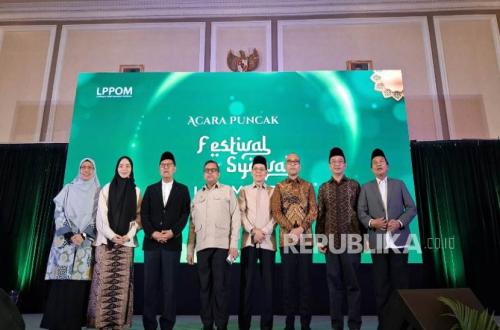
The Halal Inspection Agency (LPH) of the Food, Drug, and Cosmetics Assessment Institute (LPPOM) is continuously strengthening assistance for micro and small business actors (MSMEs) ahead of the mandatory halal certification enforcement in October 2026. This obligation applies to MSMEs in the food and beverage sector, slaughtering services, and services related to food and beverage products. The provisions are regulated in Government Regulation Number 42 of 2024 on the Implementation of Halal Product Assurance and Minister of Religious Affairs Regulation Number 768 of 2021. As an effort to accelerate MSME readiness, LPPOM held the Peak of Syawal Festival 1447 Hijriah themed “Halal Raw Materials Store, First Step Towards Resilient MSMEs” in Jakarta on Thursday (30/4/2026). The event was attended by hundreds of MSME actors from various regions. LPPOM MUI’s Director General, Muti Arintawati, stated that the theme was chosen because many MSME actors still consider the halal certification process complicated, especially in meeting halal raw material requirements. She exemplified that cake, bread producers, and meatball vendors often face obstacles in finding halal raw materials, particularly in traditional markets. Many ingredients such as meat and spices are still sold in bulk without packaging or clear labels regarding their halal status. According to Muti, the existence of certified halal raw material stores is very important to strengthen the halal supply chain from upstream to downstream. This aligns with the provisions in PP 42/2024 and Permenag 768/2021, which mandate halal certification for raw material stores for the food, beverage, drug, and cosmetic industries.