
LPG Crisis Could Last 4 Years, Hormuz Blockade Effects Grow More Dire!
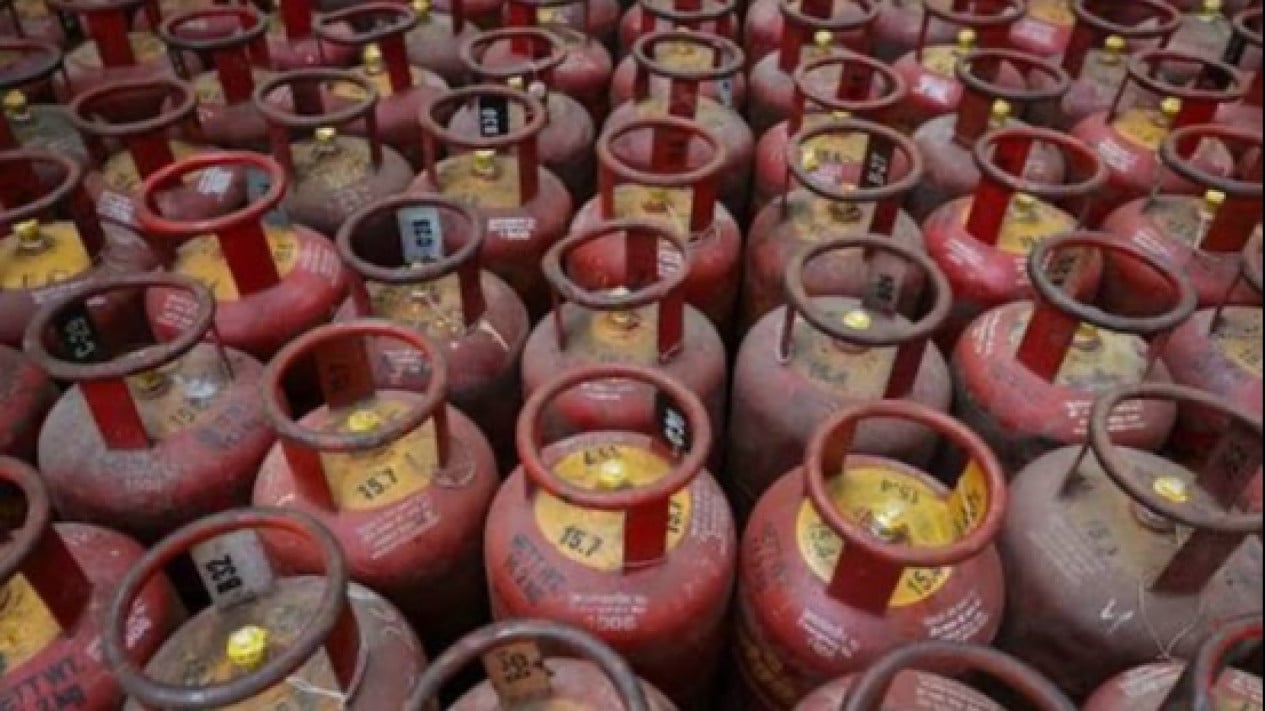
The Liquefied Petroleum Gas (LPG) supply crisis in India is not expected to recover in the near term. This disruption is said to potentially last up to three to four years due to the impact of the blockade in the Strait of Hormuz and attacks on energy infrastructure in the Middle East region.
A senior Indian government official revealed that the process of normalising supply remains shrouded in uncertainty, particularly regarding the condition of production facilities in the Gulf region.
‘LPG supply might take that long because several crucial supplies have been halted,’ he stated, as quoted by Firstpost on Friday, 17 April 2026.
‘What is meant by ’halted’ is not entirely clear, whether all wells have been depleted or production has truly stopped, but the suppliers themselves say it will take at least three years.’
The uncertainty surrounding the condition of production facilities poses the greatest challenge to supply recovery. To date, there is no certainty whether the disruptions are caused by permanent damage or merely temporary halts due to conflict.
Information from global suppliers indicates that the recovery process could be lengthy. This exacerbates concerns over energy stability, particularly for countries heavily reliant on imports like India.
India itself is highly dependent on imports to meet its domestic LPG needs. Around 60 percent of LPG consumption comes from abroad, and previously, about 90 percent of that supply passed through the Strait of Hormuz.
This makes the route a crucial yet vulnerable point to geopolitical disruptions. When distribution is interrupted, the impact is immediately felt domestically.
Additionally, India’s LPG storage capacity is limited, sufficient for only about 15 days of needs. With annual consumption reaching 33 million tonnes, the pressure on supply intensifies.
The crisis’s effects are already being felt by the public. The price of 14.2 kg household LPG cylinders has risen by 60 rupees, while commercial cylinders have increased by up to 115 rupees.
To maintain stability, the Indian government has begun prioritising LPG distribution for household needs over the industrial sector. Additionally, the booking interval for cylinders has been extended to avoid shortages.
Local authorities have also attempted to reduce dependence on the Gulf region. The share of imports from that area has been reduced from 90 to around 55 percent. However, supply disruptions still hover at 40 to 50 percent.