
Long Queues at Fuel Stations Due to Oil Crisis, Sri Lanka Implements Weekly Fuel Quota
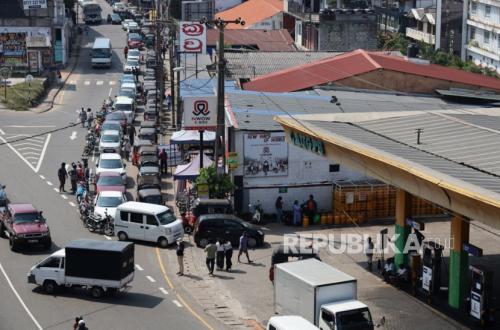
The Sri Lankan government has imposed weekly fuel rationing for public vehicles amid growing concerns over global oil supplies. The QR code-based rationing system took effect on Sunday (15/3/2026), according to local media reports from the Daily Mirror.
Under the system, the weekly fuel allowance is 15 litres for cars, 5 litres for motorcycles, 15 litres for three-wheeled vehicles, and 60 litres for buses. Local residents cannot purchase fuel without a valid QR code, and all vehicle owners must register their vehicles via the official government website.
The Sri Lankan government stated that the measure aims to prevent fuel hoarding and panic buying, ensure fair distribution of limited fuel stocks, and keep basic economic activities running.
The implementation of the QR code system has resulted in long queues at several fuel stations in Sri Lanka, particularly on the first day of enforcement. According to local officials, Sri Lanka has oil fuel stocks for 27 days and diesel stocks for 33 days. Furthermore, the Government Medical Officers’ Association (GMOA) in Sri Lanka has warned that the allocated fuel quotas are insufficient for doctors to perform their duties effectively.
GMOA spokesperson Dr Chamil Wijesinghe said the weekly 15-litre fuel allowance for cars is still inadequate for medical personnel to travel and respond to emergency calls. Moreover, many doctors live far from their workplaces and often work on an on-call system, requiring them to be ready to depart at short notice.
Despite rising diesel prices and concerns over oil supplies, Sri Lanka’s Ministry of Power and Energy has assured that electricity supply will remain stable. Local officials confirmed that Sri Lanka has sufficient fuel for the operation of thermal power plants, while hydroelectric and solar power plants also help ensure energy supply security.
Sri Lanka is also intensifying diplomatic efforts to secure additional fuel supplies from India, Russia, and China.
Meanwhile, in Malaysia, local tourism industry players have urged the government to provide temporary fuel subsidies for tourism transport operators, as rising fuel prices have driven up operational costs.
As reported by Bernama, industry representatives noted that many bus and van operators had signed contracts several months ago based on lower fuel prices. Several Asian countries have also established remote learning and work-from-home schemes to mitigate potential energy shortages.