
long-awaited human rights reforms correct misconceptions
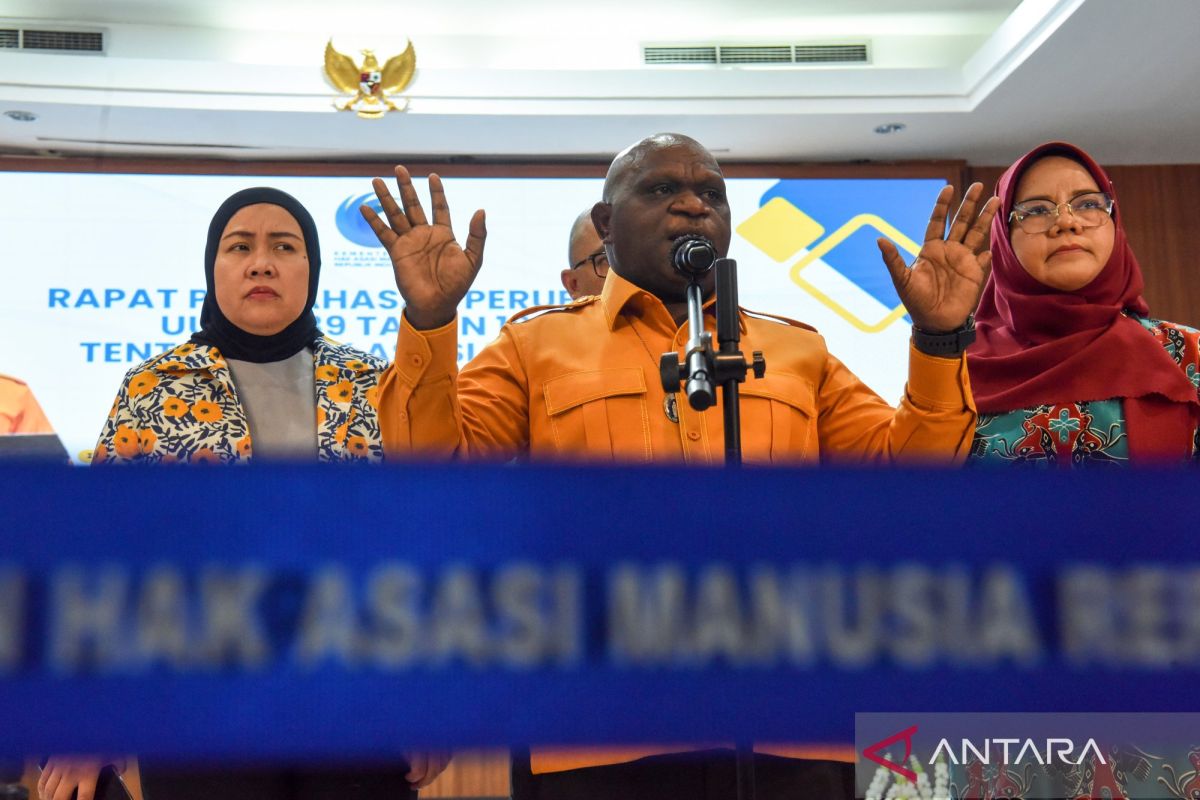
Jakarta - Twenty-seven years is a considerable period to test the relevance of a law. Indonesia’sHuman Rights Law ( Law No. 39 of 1999) was born from the fervour of Reformasi, a collective national resolve to move beyond authoritarianism and build a state based on human dignity. However, as civilization evolves dynamically, laws that fail to keep pace lose their protective power. This is why the Ministry ofHuman Rights has initiated a revision of the law, not to dismantle Reformasi’s legacy but to ensure it remains vibrant and effective amid new challenges. Indonesia now is a party to eight of the nine core United Nations human rights instruments. Nevertheless, the current law does not accommodate key developments that have reshaped the state’s obligations in human rights. The revision aims to address this backlog. The proposedHuman Rights Bill explicitly introduces protections for human rights in the digital sphere, where rights enjoyed offline must also be respected online. It also expands prohibited discrimination grounds to include previously unaddressed identity categories and provides specific legal protection for human rights defenders who risk their safety. Additionally, the bill seeks to harmonise the institutional framework by strengthening coordination between the Ministry ofHuman Rights and national human rights institutions, rather than weakening any single entity. The initiative has faced criticism, particularly regarding the role of theNationalHuman Rights Commission ( Komnas HAM). The bill explicitly defines four functions for Komnas HAM: review, monitoring, investigation, and mediation, reconciliation, and peacebuilding. This four-pillar framework aims to expand its mandate in line with the Paris Principles, which advocate for broad mandates. Does this new structure mean Komnas HAM’s current research and public education functions under the existing law will disappear? A thorough examination of Article 79 of the bill reveals that the ‘review’ function includes examining international human rights instruments, legislation, and various human rights issues.