
Location of Human Interbreeding with Other Species Revealed
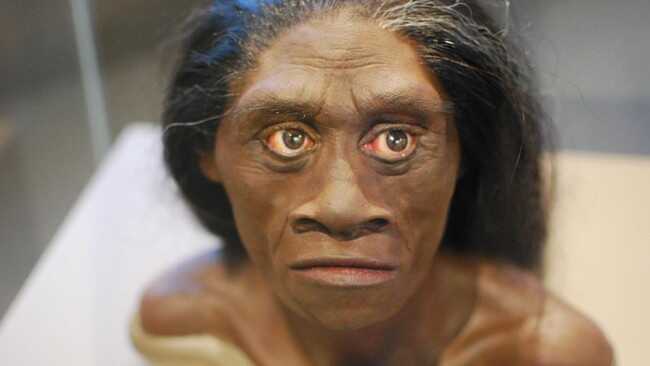
Researchers have long known that the ancestors of modern humans, Homo sapiens, interbred with another hominin species, Neanderthals. New findings now point to an estimated region where this genetic mixing occurred.
In the latest study, scientists analysed the patterns of geographical distribution of both species across south-western Asia to southern Europe during the period of genetic mixing between Homo sapiens and Neanderthals in the late Pleistocene era (ice age).
The distribution data indicates that the location where both species were found to have lived simultaneously and potentially interbred was in the Zagros Mountains.
The Zagros is a mountain range on the Persian plateau that extends between the borders of Iran, northern Iraq, and south-eastern Turkey.
Researchers state that the Zagros Mountains represented an ideal location for the meeting of both species. The region possesses biodiversity and topography capable of supporting human populations.
Moreover, its position served as an ideal bridge connecting the cold Palearctic region with the warm Afrotropical region during the climate shift of the Ice Age.
At this location, scientists have also discovered substantial archaeological and genetic evidence, particularly from both hominin types—Neanderthals and Homo sapiens.
The genetic mixing of Neanderthals within modern Homo sapiens was first revealed in 2010, after the complete Neanderthal genome sequence was successfully mapped.
Based on the Neanderthal genome map, researchers concluded that 1 to 4 per cent of the modern human genome, excluding African populations, originates from Neanderthals.
The genome inherited from Neanderthals has shaped the physical appearance and behaviour of modern humans, ranging from larger noses to susceptibility to COVID-19.