
"Local Wisdom" that Endangers at Railway Crossings
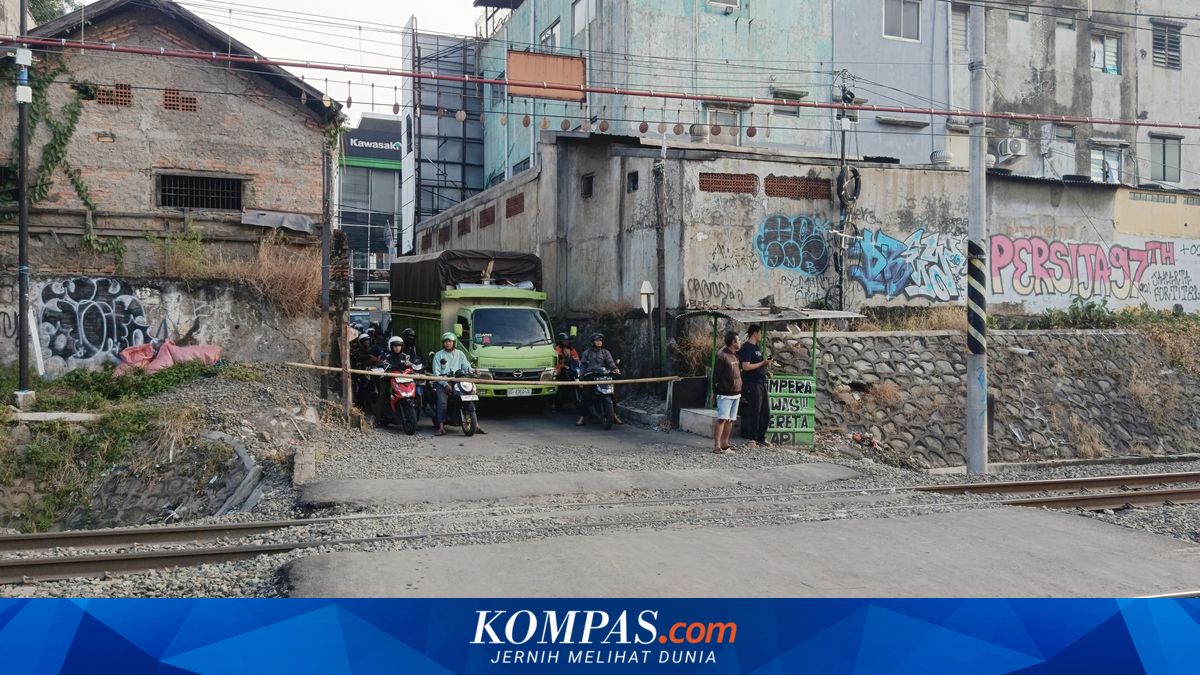
It has become a common sight in many places: railway crossings guarded by local residents—popularly termed “pak ogah”—manually. They stand at the crossing, signalling with bare hands, sometimes carrying rudimentary flags, in the hope of receiving loose change. Because it is seen so frequently, this phenomenon is gradually considered normal and seemingly has become a form of local wisdom. In reality, railway crossings are high-risk points that concern human lives. Trains travel at high speeds and cannot stop suddenly. A delay of a few seconds or a miscalculation can lead to fatal accidents. Security should be carried out with a clear system, adequate equipment, and trained personnel. When a railway crossing is only guarded by a “pak ogah” hoping for small change, what actually happens is the privatisation of risk. Society is forced to bear the danger that should be the state’s responsibility. The “local wisdom” practice at these crossings creates an illusion of safety. This phenomenon reveals a social paradox. On one hand, “pak ogah” helps reduce the potential for accidents. On the other hand, it stands on economic vulnerability. Horrifyingly, public safety depends on people working without guarantees, without protection, and relying on loose change. The local wisdom of “pak ogah at railway crossings” does not only occur at level crossings. In fact, it commonly happens at non-level crossings. Ironically, at non-level crossings, automated gates are actually available but not functioning.