
Local Governments Urged to Address Rising Prices of Red Chilli Commodity
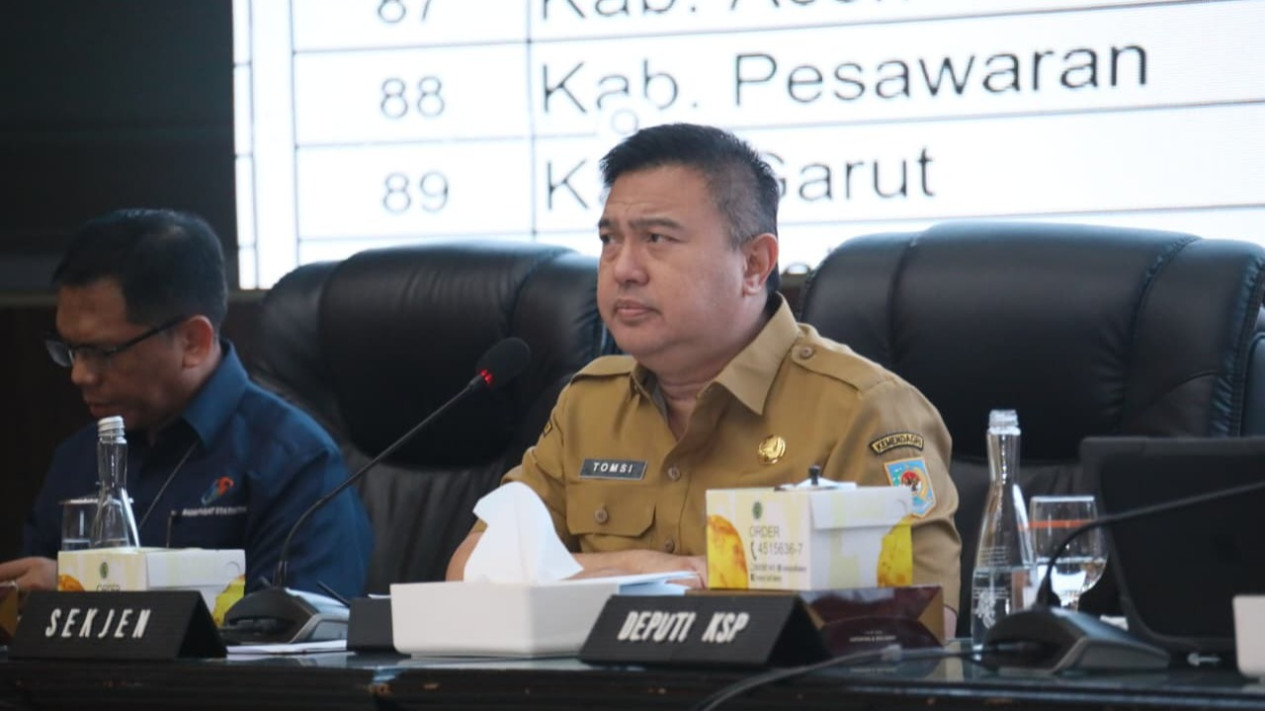
Jakarta, VIVA – The Secretary General (Sekjen) of the Ministry of Home Affairs (Kemendagri), Tomsi Tohir, has requested that local government (Pemda) officials in regions affected by rising prices of the red chilli commodity take immediate steps to control the situation. According to Kemendagri data as of 11 May 2026, 242 regions experienced price increases for red chillies in the first week of May 2026.
“[Pemda] may choose not to develop or collaborate with the Ministry of Agriculture (Kementan) for planting chillies, with the caveat that the chilli prices must not rise,” Tomsi stated at the Launch of the Anti-Corruption Education Guide and Teaching Materials, combined with the Regional Inflation Control Coordination Meeting, held at the Sasana Bhakti Praja (SBP) Building of Kemendagri in Jakarta on Monday (11/5/2026).
Tomsi explained that, based on data from the Ministry of Agriculture (Kementan), there are regions that have not yet collaborated with Kementan to support the Prospective Farmers and Prospective Locations (CPCL) programme specifically for boosting red chilli production. There are also regions that have rejected allocations of chilli-growing areas for this programme. Nevertheless, he urged the regions to control red chilli prices, as the increases directly impact the public.
On the other hand, at the same forum, Tomsi appreciated the abundant availability of rice stocks, totalling 5.19 million tonnes—the highest in history. However, he still requested that Perum Bulog ensure optimal rice distribution access to the regions. This is because several regions are still experiencing rice price increases.
“Please, Madam [Perum Bulog], identify the regions where prices are still high and contact the Bulog offices there to increase distribution,” Tomsi added.
He reiterated that the Highest Retail Price (HET) serves as the government’s standard for monitoring commodity price rises. Tomsi invited Pemda to ensure that the prices of basic necessities remain stable and do not exceed the HET.
Tomsi acknowledged that the challenges and dynamics in stabilising commodity prices in the regions are not easy. However, reflecting on various conditions experienced in previous years, the regions have proven capable of controlling prices. Therefore, he encouraged the regions to learn from past experiences in addressing price increases, particularly during the rainy or dry seasons.