
Local Government Digitalisation Amid 2026 Economic Pressures
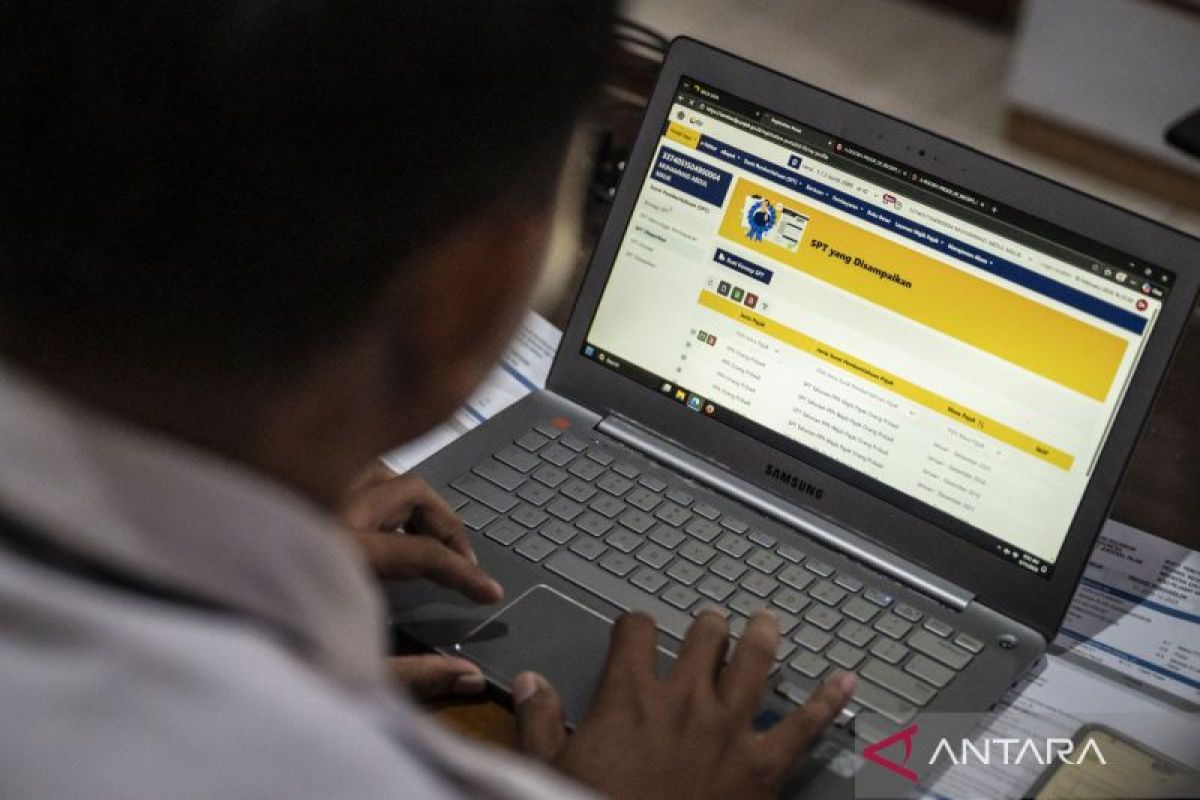
Amid the increasingly complex dynamics of the global economy in 2026, local governments in Indonesia face growing demands to transform. Digitalisation is no longer merely a modernisation project but has become a strategic instrument for maintaining regional economic stability while improving the quality of public services. As pressures from global inflation, geopolitical uncertainties, and changes in societal consumption patterns become more pronounced, a region’s ability to adapt through technology serves as the primary differentiator between those that survive and those that fall behind. Digital transformation at the local government level has actually been underway for several years through various national initiatives. However, the context of 2026 provides a new, more tangible urgency. The fluctuating economic conditions force local governments to operate more efficiently, responsively, and adaptively. Limited fiscal space means every policy must be on target, while public expectations for services continue to rise. In such situations, digitalisation becomes not only relevant but crucial. In practice, digitalisation has brought significant changes to various aspects of public services. Permitting services, which previously took a long time, can now be completed more quickly through integrated online systems. Local tax payments have become easier and more transparent, while population data management is increasingly accurate and real-time. This transformation not only enhances bureaucratic efficiency but also creates a better experience for the public. When processes become simpler and more transparent, public trust in the government increases. The impact of digitalisation extends beyond services to the regional economy. Easier permitting encourages increased investment, while transparency in financial management enhances government credibility in the eyes of businesses. Digitalisation also accelerates the integration of the local economy with a broader digital ecosystem. Business actors, especially SMEs, now have greater access to markets through digital platforms, ultimately driving more inclusive regional economic growth. Nevertheless, the pressured economic conditions of 2026 also present serious challenges to digitalisation implementation. Not all regions have the same capacity to adopt technology. Regions with adequate digital infrastructure and strong resources tend to transform more quickly, while those still facing limitations risk falling further behind. This disparity is a critical issue, as uneven digitalisation can widen inter-regional inequalities. Additionally, human resource readiness poses an equally significant challenge. Digital transformation requires civil servants who are not only capable of using technology but also understand how it can improve performance and services. In many cases, this change is not easily accepted. Resistance to change still often occurs, especially when digitalisation is seen as a threat to long-established ways of working. On the other hand, the public also faces challenges in terms of digital literacy. Not all societal groups have the same ability to access and utilise digital services, so the potential benefits of digitalisation are not yet fully felt evenly. Cybersecurity