
LMC Project Transforms Lives in Mekong Region, Clean Water Now Within Reach
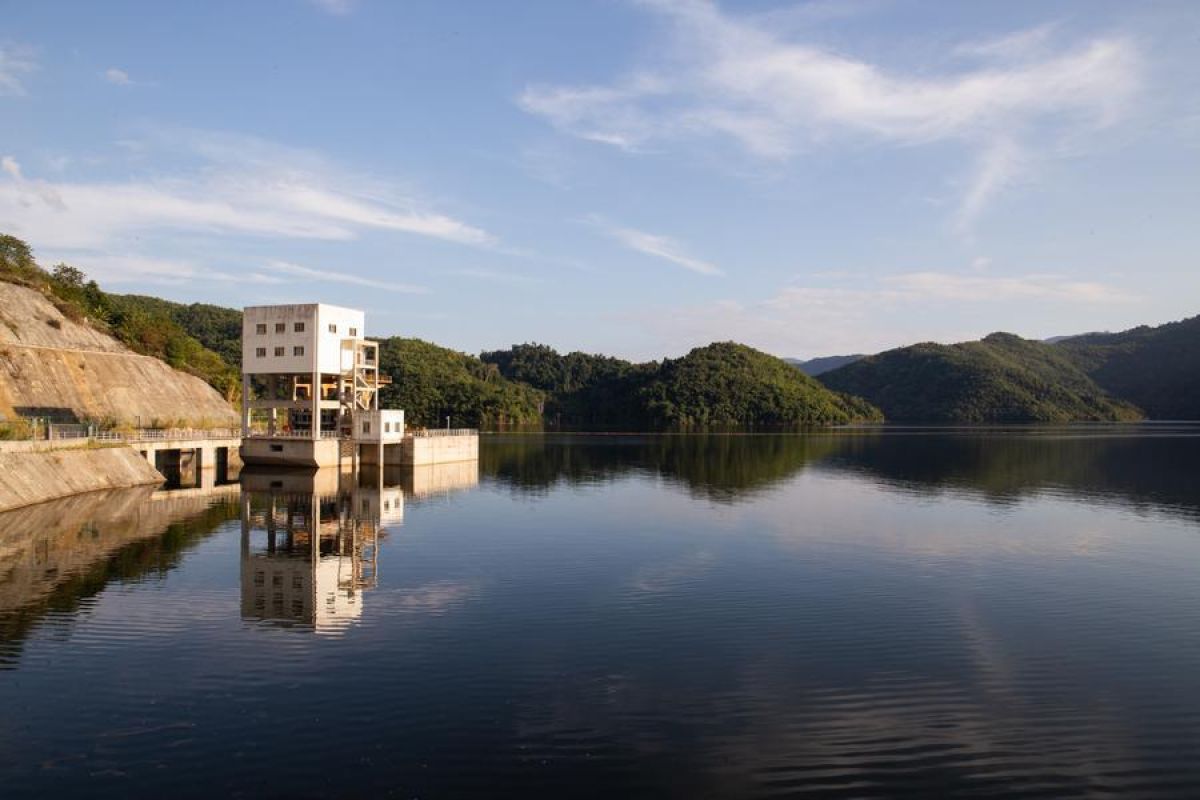
Vientiane (ANTARA) - Before 2021, residents of Hatkeep Village in Luang Prabang Province, Laos, had to walk for two hours to fetch unclean river water. Water supplies were unreliable, waterborne diseases were rampant, and children often missed classes to search for drinking water. Now, taps provide clean water reachable within a five-minute walk, thanks to a simple and targeted project under the Lancang-Mekong Cooperation (LMC) framework. “Now we have clean water, diseases have decreased, and our medical costs have dropped,” said Souvanh, a village official, as reported by Xinhua. This life-changing improvement is part of the Lancang-Mekong Sweet Spring Action, which has built 110 small-scale clean water supply systems across Cambodia, Laos, and Myanmar, benefiting around 13,000 rural residents. The action is one of nearly 1,000 “small but smart” people-oriented projects that have quietly driven regional cooperation among China, Myanmar, Laos, Thailand, Cambodia, and Vietnam, as the six-nation mechanism marks its 10th anniversary during this year’s LMC Week events. The Lancang-Mekong River, known as Lancang in China’s territory and Mekong in its downstream sections, originates in Qinghai Province in northwest China and flows through China, Myanmar, Laos, Thailand, Cambodia, and Vietnam. In March 2016, leaders from the six countries along the river gathered in Sanya, south China, for the first LMC leaders’ meeting, marking the full launch of the LMC mechanism. As a series of LMC Week events unfold across the region, one message stands out: small but smart projects not only support Lancang-Mekong cooperation but also sustain it, by turning diplomatic goals into tangible progress. In Myanmar, an aerial crop yield assessment centre uses drones and aerial mapping to replace slow and error-prone manual fieldwork, slashing monitoring times and bolstering food security. Other flagship programmes, including the LMC Bumper Harvest Projects to boost farmers’ incomes and the Lancang-Mekong Bright Project to restore sight for cataract patients, deliver quick and real benefits to communities. With support from the LMC Special Fund, Laos has implemented 100 projects worth about 26 million US dollars (1 US dollar = Rp17,002). These initiatives have upgraded infrastructure, strengthened human resources, improved water management, and supported health and poverty alleviation, contributing to long-term socio-economic growth, according to Laos’ Deputy Prime Minister and Foreign Minister Thongsavanh Phomvihane, who added that LMC has evolved into a dynamic, results-oriented regional partnership. Backed by the LMC Special Fund—a Chinese initiative to finance small- and medium-scale cooperation projects among the six LMC countries—more than 991 small but smart projects have been implemented across the subregion. Unlike large-scale infrastructure initiatives that grab global headlines, these practical and concise schemes build trust by enhancing everyday quality of life. “If there’s one word that can describe the essence that LMC cooperation brings to Myanmar’s agricultural sector, that word is development,” said Win Htut, director general of the Department of Settlement and Land Records under Myanmar’s Ministry of Agriculture, Livestock and Irrigation. He noted that the aerial crop testing centre has modernised data collection and strengthened cooperation on food security. Cambodia’s Deputy Prime Minister and Foreign Minister Prak Sokhonn described LMC as a “successful model of mutually beneficial cooperation” and a “convincing example of South-South cooperation,” highlighting the LMC Special Fund as a key pillar of LMC’s success, as it has supported hundreds of practical, people-oriented projects in sectors including rural development, water resource management, agriculture, environment, education, demining, tourism, cultural heritage, women’s empowerment, and youth development. “These initiatives have not only improved living standards but also strengthened national connectivity, promoted rural development, and enhanced the effectiveness of the LMC model, deepening the bonds of friendship among our countries,” he said. In Beijing this week, Chinese Foreign Minister Wang Yi said LMC has “grown from a seed into a towering tree,” serving as a model for building a community with a shared future for mankind. He called on members to jointly build LMC 2.0, focusing on the digital economy, artificial intelligence, green development, and connectivity. “China will work with the five Mekong countries to usher in a new golden decade for LMC,” Wang said, calling for the building of a peaceful, secure, prosperous, beautiful, and harmonious home.