
Living Under the Shadow of Disasters: Anxiety Follows When the Rain Falls
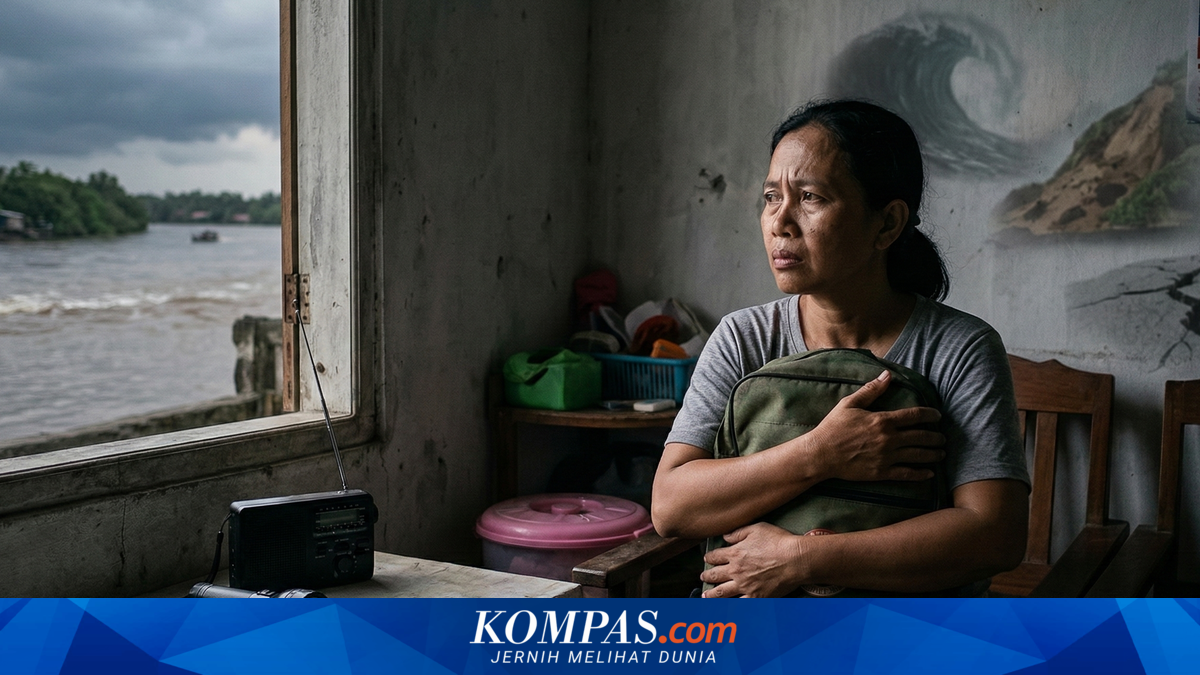
Living in areas prone to natural disasters can impose significant mental pressure. A psychologist says this condition can make a person more prone to anxiety, hypervigilance, and even emotional exhaustion. The situation arises because the brain continually prepares for the possibility of disasters that can strike at any time. Psychologist Danti Wulan Manunggal, S.Psi., of Ibunda.id, says living in the shadow of disasters is not only a physical or logistical issue. It also becomes a long-term burden on mental health. “Living in the shadow of natural disasters is not merely a logistical or physical issue, but a marathon burden on mental health,” she told Kompas.com on Sunday, 8 March 2026. The feeling can trigger emotional exhaustion. The mind remains in alert mode, as if one must always be ready to save oneself. Additionally, there is a condition known as learned helplessness, the sense that nothing one does will stop disasters from coming. “This condition can make someone feel that whatever is done, the disaster will come anyway and destroy everything,” explained Danti. Danti said this condition can help a person endure mentally. But on the other hand, it can cause people to ignore safety risks. The phenomenon is known as crisis normalisation, i.e., when dangerous situations start to be regarded as something ordinary. According to Danti, the mechanism is called classical conditioning, i.e., when the brain associates past experiences with a particular situation.