
Literacy, Numeracy, and Character Education
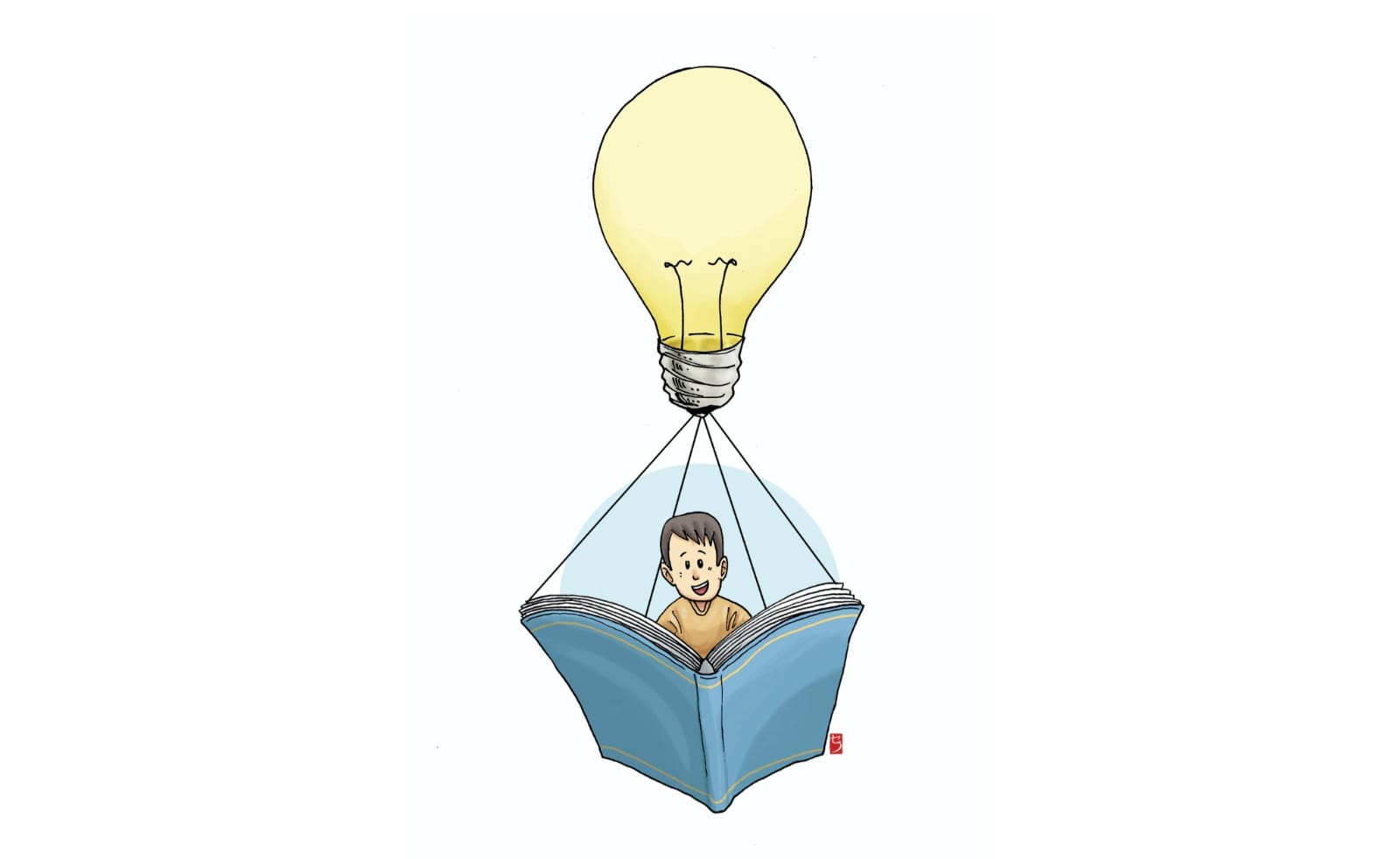
A child may be able to read sentences fluently, write letters neatly, and solve arithmetic problems correctly. Yet, when that child cannot manage their emotions, shows no concern for friends, or lacks the courage to try, a vital part of education remains untouched. It is at this point we realise that early primary education does not stop at reading, writing, and counting. This awareness grew stronger during a year of mentoring first-grade students.
As the school year draws to a close and first graders prepare to move up to second grade, I recall the doubts I had when first entrusted with being a first-grade form teacher. The school where I teach has a vision of creating a positive and sustainable educational environment. This vision serves as a reminder that educational success is not measured solely by academic achievement, but also by the formation of students’ morals and character. Thus, character building must begin early, especially in the first grade of primary school.
First-grade students are children transitioning from kindergarten to primary school. The challenges in this phase are not simple. Besides being required to read, write, and count, they need to build the character that will become the foundation for their subsequent development. The initial phase of primary school is a critical period for building social-emotional readiness. Without this foundation, academic achievements often do not last long and hold less meaning in daily life.
Students arrive with diverse backgrounds. Some still cry when separating from their parents, are not yet independent in managing personal needs, or are unable to follow instructions properly. Others display excessive emotions during lessons, while some adapt more quickly. In such situations, strengthening character becomes a fundamental necessity. For instance, when a teacher tries to calm the class, some students remain indifferent and let the atmosphere stay noisy. Others still need reminding not to judge one another when a friend makes a mistake. This demonstrates the importance of cultivating empathy from an early age.
Empathy is the ability that helps children understand the feelings of others. Without empathy, social interactions are easily filled with recurring minor conflicts. In the classroom, empathy is cultivated through discussions, sharing experiences, and simple reflections carried out consistently. Small changes often become the first signs of developing empathy. For example, students begin to show concern for friends who are struggling, share food when someone has not brought a packed lunch, or ask about a friend who looks sad. Some students even become more sensitive to the teacher’s condition and quickly calm themselves when the classroom atmosphere becomes noisy. This aligns with Eisenberg (2006), who stated that empathy develops through social interaction and direct experience.
After empathy begins to grow, the next challenge is building independence. Many students still depend on adults to perform basic activities, such as tidying personal belongings, preparing study equipment, and completing simple tasks. This condition is often influenced by overly protective parenting or a lack of opportunities for the child to try. Independence grows when children are given the chance to try and complete tasks on their own, even if imperfectly. Therefore, teachers need to provide space for children to learn from the process, not merely from completing the material. Steinberg (2002) emphasised that independence trained from an early age contributes to increased self-confidence. This is visible in daily classroom life. One student who previously often cried is now beginning to express their wishes confidently, thanks to a safe and appreciative learning environment. However, independence and self-confidence also need to be balanced with the ability to manage emotions healthily.
Emotional management is an important aspect. First-grade students are still in the early stages of recognising and expressing feelings. In daily life, students may cry, get angry, or feel disappointed when facing situations that do not meet their expectations. These simple situations become opportunities for teachers to help children recognise, name, and manage their emotions. The teacher not only delivers material but also acts as an emotional companion, helping students recognise and manage their emotions so that learning remains comfortable. What is observed in the classroom aligns with various findings in educational psychology. Daniel Goleman (1995) affirmed the importance of emotional intelligence, while Bandura (1997) showed that belief in one’s own abilities influences success.
Strengthening character in first grade faces various challenges, from academic targets to achieving reading, writing, and counting skills. In fact, forming positive values and habits requires time and sustained support, including from the family. Therefore, family and environmental support is crucial so that the habituation at school receives consistent reinforcement at home, making it easier for good values to take root in the child. Changes in character are not always immediately visible in report card grades. However, when students begin to be more caring, independent, and able to manage their emotions, it is a sign that education is moving in the right direction. Interestingly, when children start to manage their emotions, become confident, and independent, the process of learning to read, write, and count also becomes smoother. Children are more ready to accept instructions, do not give up easily when facing difficulties, and are braver in trying new things. In other words, character is not a barrier to academic achievement, but the foundation that supports it.