
List of Countries Permitted by Iran to Cross the Strait of Hormuz
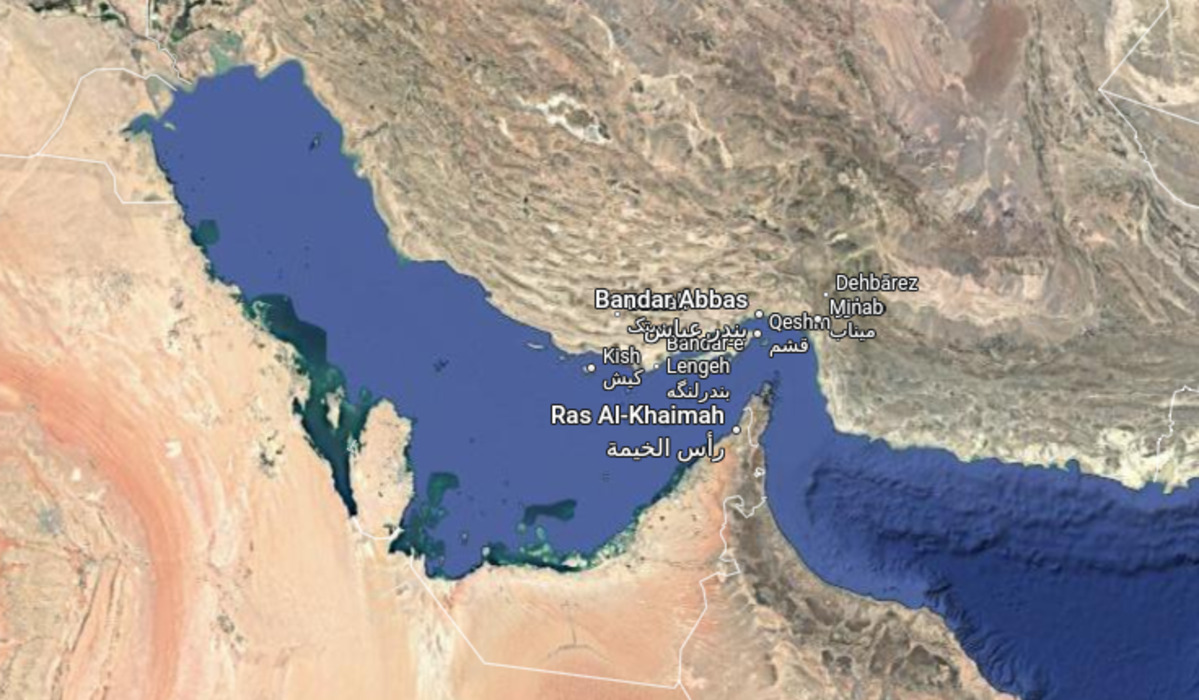
The Middle East conflict in March 2026 has triggered a major shock to the global energy market. World crude oil prices once soared to US$126 per barrel after Iran restricted access to the Strait of Hormuz, a vital route carrying around 20% of the world’s oil and liquefied natural gas (LNG) supply.
Iran’s blockade of the Strait of Hormuz is a response to military escalation with the United States and Israel. However, amid the tensions, Iran has adopted a selective policy by granting passage permissions to ships from countries considered “friends” or those not showing hostile attitudes.
Based on statements from Iran’s Foreign Minister Abbas Araghchi and reports from Lloyd’s List Intelligence maritime intelligence, the following is the list of countries that have obtained limited access or special permission to cross the Strait of Hormuz until 27 March 2026:
Unlike total blockades of the Strait of Hormuz in the past, this time Iran is using a “special lane” north of Larak Island for coordinated ships, while the main lane remains under strict military supervision.
Although Indonesia is not on the blacklist, this crisis still impacts national monetary stability. Concerns over fuel supply disruptions have pressured the rupiah exchange rate.
To date, shipping activity in the Strait of Hormuz is far from normal. Under normal conditions, around 150-160 ships pass through daily, but since early March 2026, the number has dropped dramatically to 95%. The international community is now urging the establishment of an energy humanitarian corridor to prevent a deeper global recession.
According to Azis, the geographical location of the Strait of Hormuz, which channels one-fifth of the world’s oil supply, makes it the most vulnerable point in modern geopolitics.
The rupiah exchange rate has weakened to 16,893 per US dollar. The surge in oil prices due to Iran’s blockade of the Strait of Hormuz is the main trigger. See the analysis.
Iran’s military is suspected of beginning to plant thousands of sea mines in the Strait of Hormuz. See the latest developments in the Iran-US conflict and Russia’s reaction.
World oil prices (Brent) remain at a high level of US$84 per barrel following the IRGC attack in the Strait of Hormuz. See the impact on subsidised fuel prices and the rupiah exchange rate today.
See the complete chronology of the IRGC missile attack on the US tanker and the total closure of the Strait of Hormuz, which triggered the 2026 global energy crisis.
Following Tehran’s positive response, follow-up actions have been carried out by relevant parties on technical aspects.
Iran officially responds to the US 15-point proposal by demanding war reparations, cessation of assassinations, and full recognition of sovereignty over the Strait of Hormuz as conditions for peace.
Donald Trump gives Iran additional time until 6 April. Meanwhile, Tehran threatens to bomb a hotel housing US troops in the Middle East.
He added that the initial draft has been prepared, although it is not yet an official proposal.
Minister of Energy and Mineral Resources Bahlil Lahadalia assures that Pertalite and Solar prices will not rise despite the escalating global energy crisis due to the US-Israel war against Iran.