
Limited Adjustment of Non-Subsidised Fuel Prices Deemed Appropriate to Maintain Energy Supply Reliability
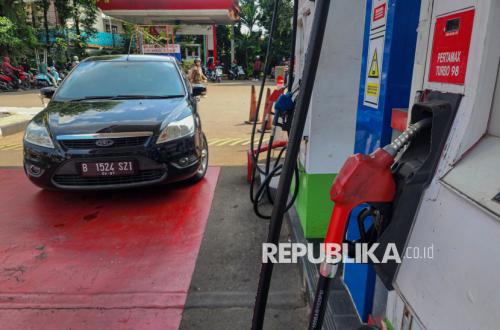
PT Pertamina (Persero)’s efforts to maintain national energy supply reliability are being strengthened through limited adjustments to non-subsidised fuel prices. This policy is viewed as a strategic step to ensure energy availability remains stable amid global price pressures, while also protecting consumer purchasing power in the subsidised fuel segment and key products.
The Reforminer Institute describes the government and Pertamina’s decision to raise prices for several non-subsidised fuels, such as Pertamax Turbo, Dexlite, and Pertamina Dex, as the best possible choice.
Reforminer Institute Executive Director Komaidi Notonegoro stated that the decision to maintain prices for other non-subsidised fuels like Pertamax and Pertamax Green, as well as subsidised fuels, is an appropriate measure.
“I see this as an effort to ensure the sustainability of fuel supply remains in place,” Komaidi said when contacted by Republika in Jakarta on Sunday (19/4/2026).
Komaidi noted that fuel prices in Indonesia still lag behind those in Southeast Asian countries. The price differential with regional markets such as Singapore, Malaysia, Thailand, and the Philippines is estimated at Rp5,000 to Rp9,000 per litre. He assessed that this situation reflects pressure on domestic pricing structures that have not fully followed international market dynamics.
Komaidi pointed out that the significant price gap could also burden Pertamina’s financial performance. “Based on Pertamina’s current cash flow, without price adjustments or interventions, by the end of June or possibly mid-June, Pertamina would face cash flow difficulties in procuring fuel,” Komaidi said.
Komaidi explained that Pertamina’s cash flow capacity would come under pressure without price adjustments or policy interventions. Without such steps, he said, the company risks liquidity issues in fuel procurement in the near term.
“That means if Pertamina cannot procure fuel, there will be no fuel domestically because their market share is still over 90%,” Komaidi continued.
Komaidi stated that this situation underscores the urgency of adaptive policies to maintain energy supply sustainability and the financial stability of the national energy company. He described the government’s limited price adjustment as the best decision.
“I think the government is not merely saving Pertamina’s finances, but more importantly ensuring the sustainability of domestic fuel supply. On the other hand, the government understands that high inflation from fuel price hikes would slow the economy and have widespread impacts,” Komaidi added.
Komaidi noted that non-subsidised fuel price adjustments fall under the authority of the business entity. However, he believes the government, which owns 100% of Pertamina’s shares, plays a significant role in such decisions.
“In recent times, they have held back on that as requested by the government. The increases also exclude Pertalite and Pertamax, meaning the government is still trying to protect consumer purchasing power since most consumption is in those two products,” Komaidi said.