
Level Crossings and the Risks We Take for Granted
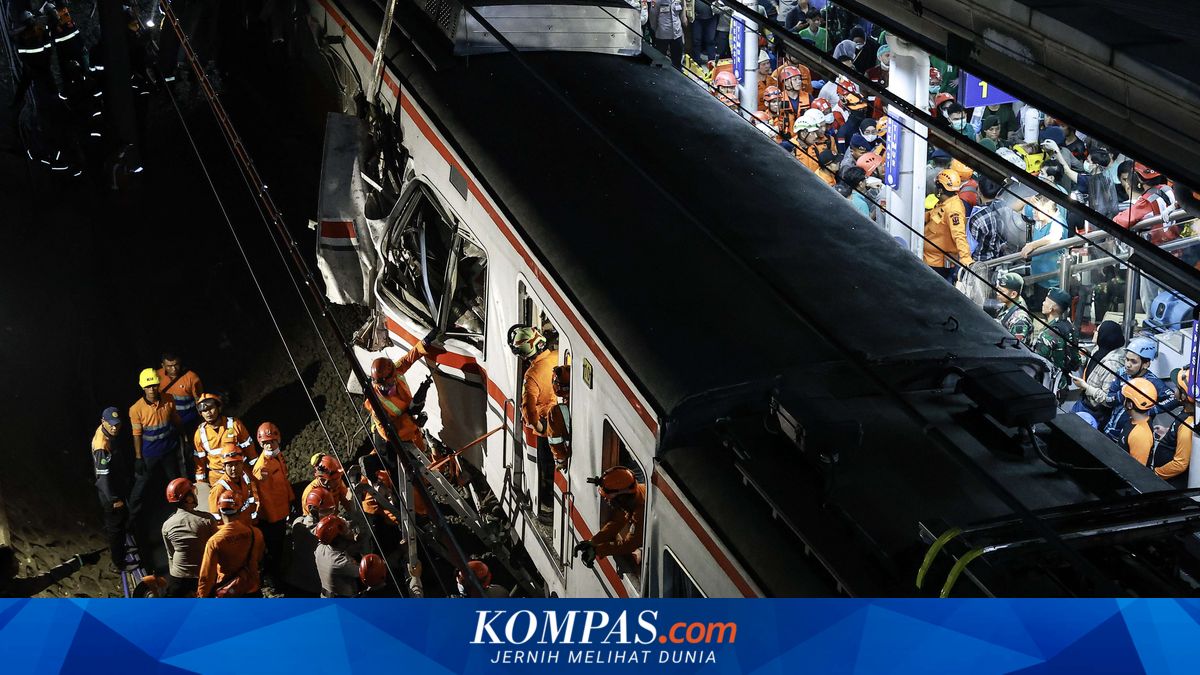
Monday night in Bekasi did not sound like a major accident. There was no explosion. No roaring engine noise. Just a car that stayed too long in a place where it should never stop: on the tracks. Some people tried to push it. It did not move. Some shouted warnings. Too late. The rest is a sequence of events that, in the railway world, has long been known: trains cannot stop suddenly. However, what is more disturbing is not the collision itself. What is disturbing is how “normal” the conditions that allowed it to happen are. We Are Used to the Risks—and That Is the Problem Level crossings are a compromise we have inherited—not an ideal design we chose. But because their frequency is scattered and not always spectacular, this risk slowly becomes “normal”. In many cities, level crossings even become part of the daily rhythm: the gate comes down, vehicles wait, vendors sell, traffic flows again. We no longer see them as danger points. We see them as routine. And that is where the problem begins. The Bekasi case raises one valid technical question: why could the vehicle not be immediately moved from the tracks? To date, the official investigation by the National Transport Safety Committee is still ongoing. This means that any final conclusions must still be withheld. However, there is one fact that cannot be ignored: electric vehicles have different operational characteristics from conventional vehicles. In certain conditions—for example, when the system detects a disturbance or loss of power—the safety mechanism may lock the vehicle to prevent uncontrolled movement. The problem is that safety systems are always designed with certain assumptions: that the vehicle is on the highway, not on active tracks.