
Lestari Moerdijat Urges Strengthening Child Protection in Digital Spaces
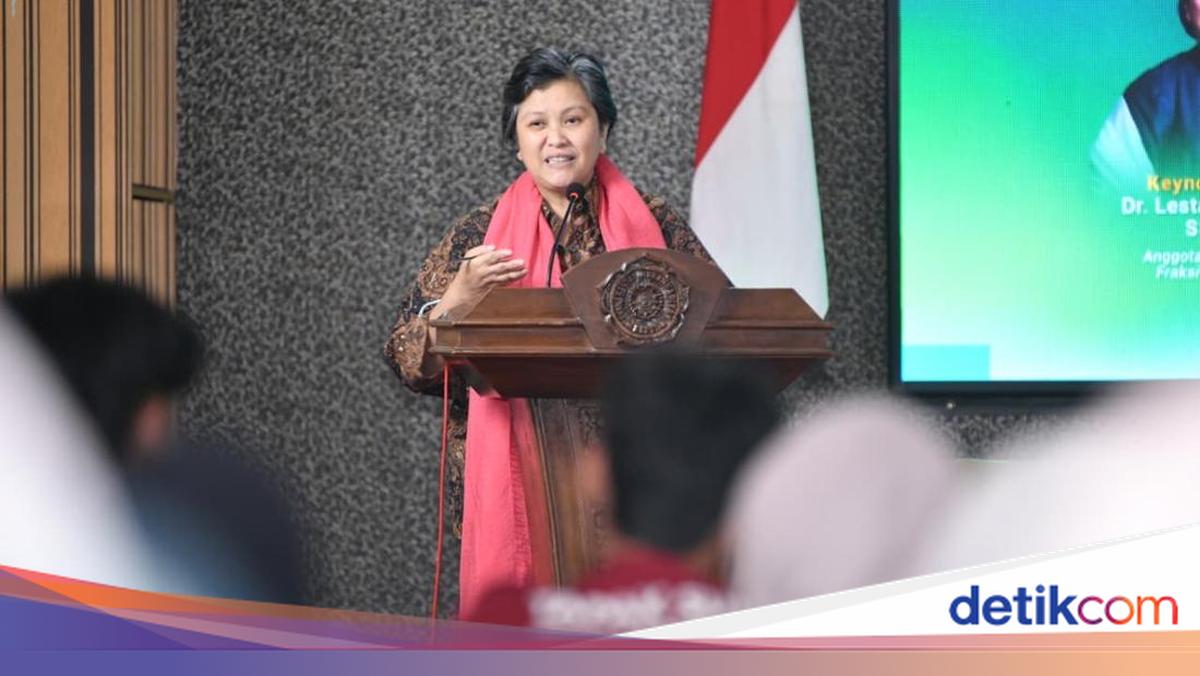
Deputy Speaker of the Indonesian People’s Consultative Assembly (MPR RI), Lestari Moerdijat (Rerie), says that threats in digital spaces to children cannot be adequately addressed by regulation alone. She argues that all parties must move together to create a safe digital space for the generation of the nation’s successors. ‘The rapid penetration of the internet in the digital space must be matched immediately with real protective steps. Digital literacy must become a primary need in the family, school, and community, so they can work together to build a safe digital ecosystem,’ she said in a statement on Friday (22/5).
Data from the Ministry of Women’s Empowerment and Child Protection (Kemen PPPA) show that nine out of ten children aged five and above in Indonesia are active internet users. Meanwhile, the Directorate General for Digital Space Oversight notes that cases of child pornography rose by almost 48% in four years, from 986,648 cases in 2020 to 1,450,403 cases in 2024. She argues that as part of the education process, children must be protected from exposure to negative content, disinformation, digital violence, and exploitation practices in cyberspace that could harm character formation.
Rerie believes that the readiness of parents, educators, and the community is the key to the effectiveness of social media restriction policies for under-16s. A member of the NasDem Party’s Supreme Council acknowledged that the government has taken concrete steps to address these conditions.
Minister of Basic Education and Secondary Education, Abdul Mu’ti, announced that 55,000 teachers across Indonesia at all levels have received training in coding and artificial intelligence (AI). In addition, the government has involved 38% of educational units in the programme. However, the 55,000 trained teachers are still far from the total of 3.47 million teachers in Indonesia. Moreover, Minister of Communications and Digital, Meutya Hafid, stressed that teachers are required to become digital literacy heroes. The NasDem party’s Supreme Council member reminded that the success of implementing policies to create a safe and comfortable digital space for children depends on the support of all parties.
‘Protecting children in digital space, at its core, is safeguarding the future of the nation. This policy must be part of a joint movement to ensure that the education and growth of the next generation proceed healthily, safely, and with dignity,’ concluded Rerie.