
Lestari Moerdijat: Gender Equality in STEM is Key to Innovation and Indonesia's Competitiveness
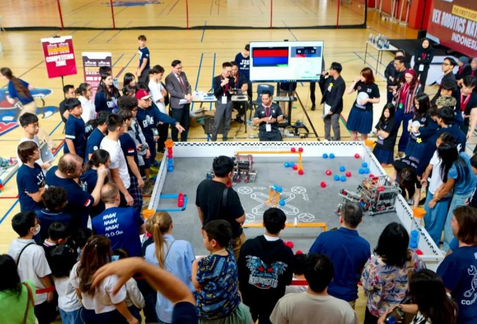
Increasing women’s participation in science, technology, engineering, and mathematics (STEM) is a crucial strategy for strengthening innovation and Indonesia’s competitiveness in the digital economy era.
This was emphasised by Deputy Speaker of the People’s Consultative Assembly (MPR) Lestari Moerdijat in a written statement on Monday (9 March). According to Moerdijat, gender disparities remain clearly visible in the STEM sector, both in education and in the workplace.
“Data shows that the main issue is not women’s academic ability. Many excel in science and mathematics, but still face social barriers and gender stereotypes,” said Moerdijat, who is popularly known as Rerie.
Based on International Labour Organization (ILO) data from 2024, women comprise only around 35% of STEM graduates in Indonesia, and those working in the sector is even lower, at around 8%. This means that the majority of women with STEM educational backgrounds do not continue careers in science and technology.
Rerie explained that these barriers often emerge from an early age through social expectations that influence girls’ confidence in science and technology. This situation leads many women not to view STEM as a realistic career path.
On the other hand, the need for technology-based workers continues to increase alongside the development of the digital economy and artificial intelligence. According to the legislator from Central Java electoral district II, expanding women’s participation in STEM is a strategic step to ensure Indonesia has sufficient human resources to face global changes.
“Gender equality in STEM is not merely a matter of social justice. This is a strategic national interest. If half of the nation’s intellectual potential is not given equal space, we lose a great opportunity to strengthen innovation and national competitiveness,” emphasised Rerie.
Rerie, also a member of the High Council of the NasDem Party, urges the education system and human resource development policies to give greater attention to strengthening women’s participation in science and technology. Schools and universities need to create inclusive learning environments, providing space for women to actively participate in research, scientific discussions, and academic leadership.
“By opening wider access for women in STEM, Indonesia not only realises gender justice, but also strengthens the foundation of innovative and competitive human resource development,” concluded Rerie.
Educational institutions play an important role in providing discrimination-free learning environments and presenting role models for students, particularly young women.