
Lessons from the Bantargebang waste landfill disaster
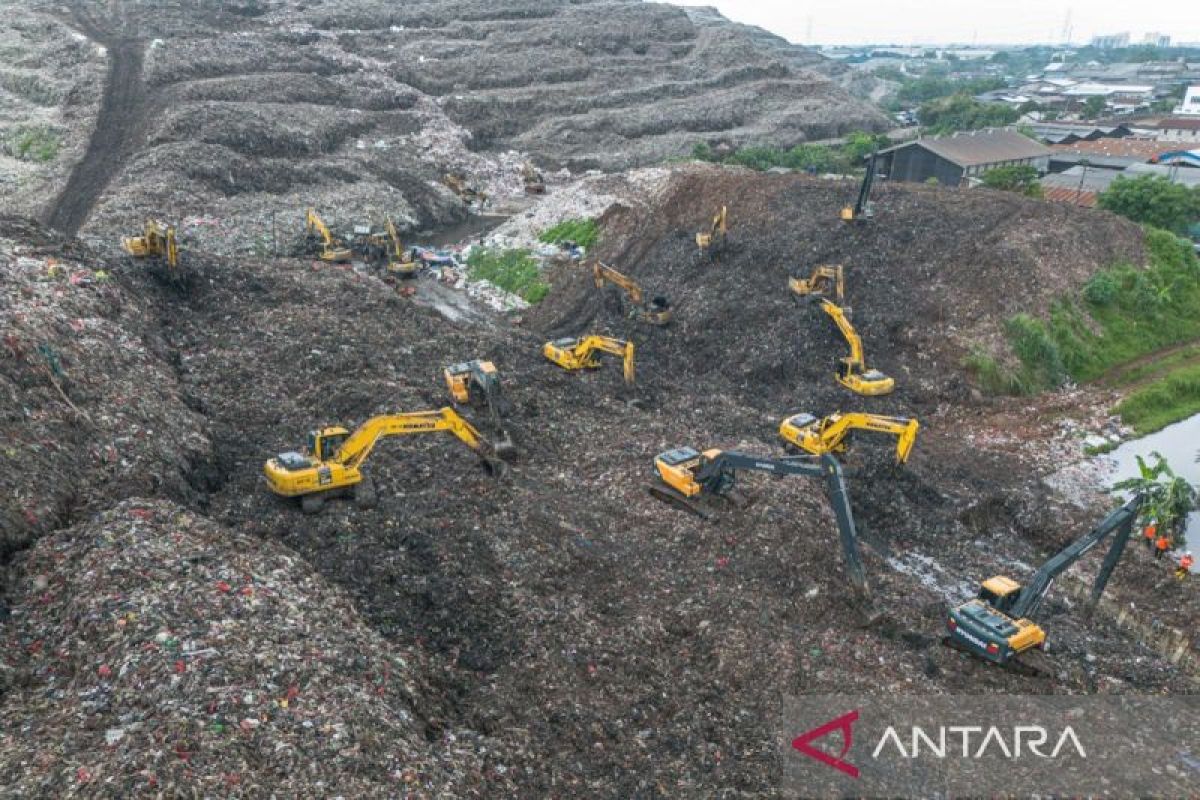
Jakarta — The landslide at the Bantargebang Integrated Waste Processing Facility (TPST) in Bekasi, West Java, on 8 March 2026 has reinforced the complex challenges inherent in urban waste management. Beyond the human toll, the disaster reveals a far more serious structural problem: excessive centralisation and reliance on a single final waste processing point.
Official data shows that approximately 7,000 to 8,000 tonnes of waste are transported daily from Jakarta to the Bantargebang facility for disposal and processing. This figure reflects the enormous and consistent volume of urban waste throughout the year, with no signs of decline.
The Bantargebang facility covers more than 110 hectares, with five active disposal zones accommodating ever-increasing waste accumulations year on year.
From an urban planning perspective, the Bantargebang TPST was originally conceived as an efficient solution: a single processing point for all waste generated in Jakarta. However, this efficiency on paper failed to anticipate the escalating systemic risks accompanying growing waste volumes.
Jakarta’s high waste generation—consistently exceeding 7,000 tonnes per day for years—demonstrates that waste production is not a temporary problem but a structural reality of urban economics requiring more sophisticated management systems.
Dependence on the Bantargebang facility means that every tonne of waste produced by Jakarta residents is transported dozens of kilometres to Bekasi, creating social and economic burdens borne primarily by residents in the receiving area, with no alternative options.
Waste Management Models
In large city waste management, two primary models exist: centralisation and decentralisation. Centralisation collects all waste at one or several major points, whilst decentralisation distributes processing functions across multiple locations closer to waste sources.
The advantages of decentralisation extend beyond risk distribution to include rapid response to waste volume spikes and greater community engagement.
The fact that Bantargebang continues to receive an average of more than 7,000 tonnes of waste daily demonstrates that Jakarta’s waste management system remains dependent on a single processing point, lacking adequate distribution to sub-district waste centres (TPS) or other intermediate facilities.
When a major facility like Bantargebang becomes overburdened, the consequences extend beyond inevitable waste overflow to pose genuine safety threats to workers and nearby residents.
Excessively centralised waste management systems tend to create large-scale economies. Such systems typically attract major contractors and involve complex bureaucracies. However, in practice, this approach often neglects benefit distribution to local communities and provides limited space for micro-level initiatives, such as community-based waste banks at neighbourhood level or community-based processing facilities like TPS3R at sub-district level.
Additionally, centralised systems amplify the impact of failures. When a major facility like Bantargebang experiences disruption—such as landslides or operational issues—the effects reverberate throughout the entire city. Waste accumulates on streets, transport services are delayed, and public health risks increase. This demonstrates that dependence on a single major processing centre creates system vulnerability when disruptions occur.
Conversely, decentralised systems enable source-level waste sorting and sub-district level processing to significantly reduce the burden on main landfills. In several other major Indonesian cities and internationally, this approach has reduced landfill volumes by tens of percent.