
Lessons from Mataram for a More Resilient Indonesia
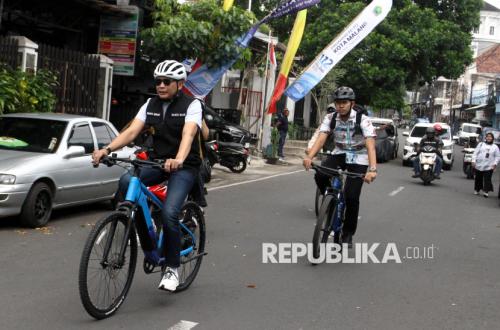
In the morning in the city of Mataram, West Nusa Tenggara, the rhythm slowly changes. The sun rising from behind Mount Rinjani sweeps over streets usually filled with the roar of official vehicles. In the new vision of the city government, the sound of engines will be replaced by the gentle creak of bicycle pedals. Officials, in shirts perhaps a bit simpler than usual, pedal towards their offices. There is a different sense of quiet, along with hope slowly growing from the turning wheels. This change is not merely a new lifestyle born from health trends. It is a policy growing from global pressures felt down to the city level. Fluctuating world oil prices, the threat of energy crises, and even the central government’s discourse on working from home all converge on one unusual decision: officials are asked to cycle to the office. Behind this policy, there are firm numbers. The Mataram city government is slashing official vehicle fuel expenditure by 50% in 2026. That figure is not just an administrative target. It is a marker that bureaucracy too must adapt to the new reality. In this context, the bicycle is no longer just a weekend recreation tool, but an instrument of public policy. Interestingly, while the central government prepares flexible work schemes like work from home to reduce mobility and energy consumption, Mataram chooses a different path. This city does not reduce the physical presence of apparatus. Instead, it encourages apparatus to remain present, but in a more energy-efficient way. A choice that simultaneously opens space for debate on how bureaucracy should respond to crises. On paper, this policy seems simple. Reducing official vehicles means curbing fuel consumption. Cycling means improving apparatus health. There are also additional effects like reduced congestion and cleaner air. However, behind that efficiency logic lies a human dimension that cannot be ignored. Not all officials live near the office. Long travel distances, varying physical conditions, age, and even road safety factors become variables not always visible in policy sheets. What feels ideal in the city centre can turn into a burden for those living on the outskirts. It is at this point that public policy is tested not only in terms of efficiency, but also justice. The city government has indeed opened flexibility for certain activities and is reviewing travel distance radii. However, important questions remain: to what extent can this policy accommodate the diversity of apparatus conditions? Because good policy is not just one that saves budget, but also one that preserves humanity. On the other hand, there is a strong symbolic message. When officials choose to cycle, they show an example to society. This is not just about transportation, but about leadership that sets an example. The bicycle becomes a moral language that savings are not only imposed on the people, but start from those in the circle of power.