
Legislator urges LKP to innovate activities according to needs
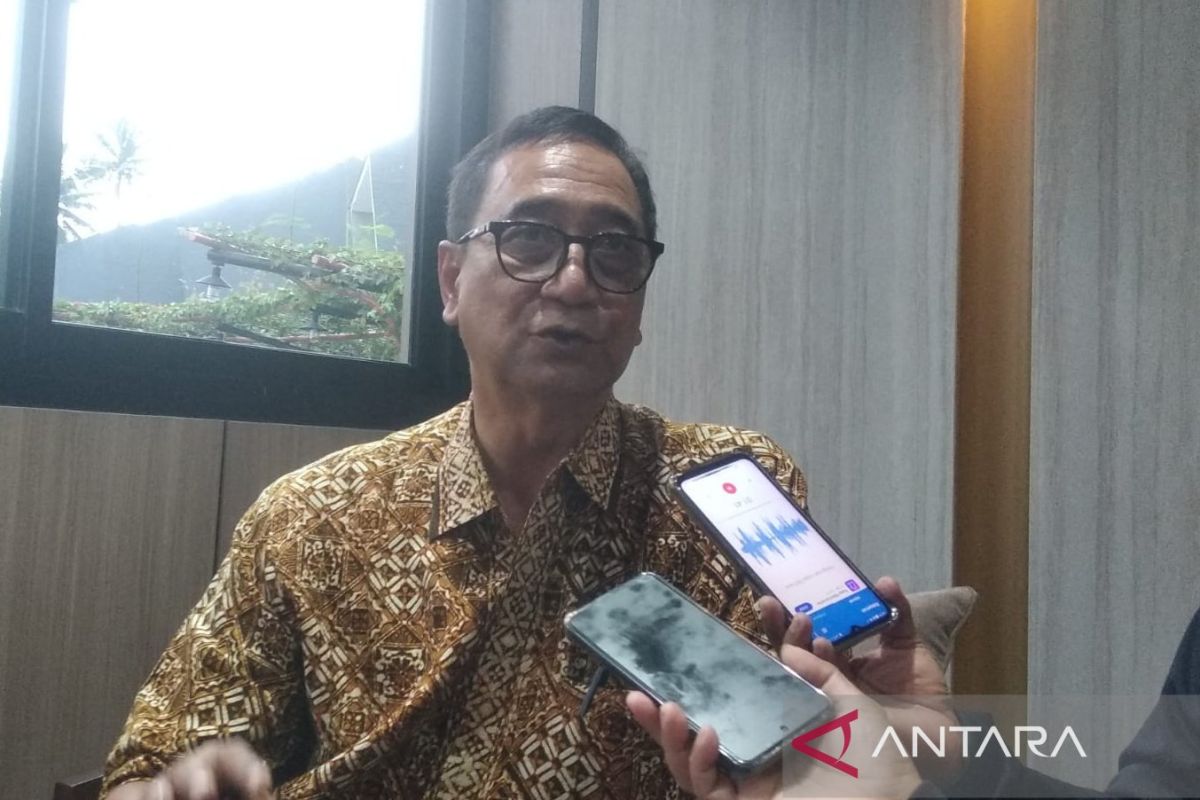
Garut (ANTARA) - A member of Commission X of the House of Representatives, Ferdiansyah, is urging Training and Course Institutions (LKP) to adjust every activity to urgent needs in the field, so that they can capitalise on economically valuable opportunities that benefit the public.
“We want LKP activities, these training and course institutions, to be based on needs,” he told reporters in Garut Regency, West Java, on Monday.
He explained that both central and local governments have frequently organised training and courses in various skills for the public, such as computing and English language.
These routinely implemented trainings, he said, are not unimportant, but there should be other innovations by following various issues and needs or trends in the region or abroad.
According to him, one example that requires training and is a national emergency is waste processing; the waste issue should be managed well to become something useful.
“Needs in the context of the current situation that is considered a national emergency, for example waste—why isn’t there an LKP for waste? For instance, organic waste, so that household organic waste becomes organic fertiliser,” he said.
Furthermore, he said, managing food waste can become feed for maggots or fish, then processing newspaper and so on, which can provide economic value while also addressing the waste emergency.
“I want LKP to include downstream processing of that waste,” said Ferdiansyah.
He added that other activities suitable for field needs include training on voice acting for animated films and so on, following developments in the film industry or content creation.
As in Garut at present, he said, which is a producer of tea and tobacco, certainly requiring training and courses in tea blending or processing tobacco from drying to rolling.
“Those needs also answer creativity and innovation in relation to addressing challenges,” he said.
He hopes that the role of local government can help disseminate information and monitor every development of training and course activities in their area.
“We also request assistance from local government; local government should at least help with information and monitoring the development of these courses,” he said.