
Legislator urges government to watch for competition in oil and gas imports
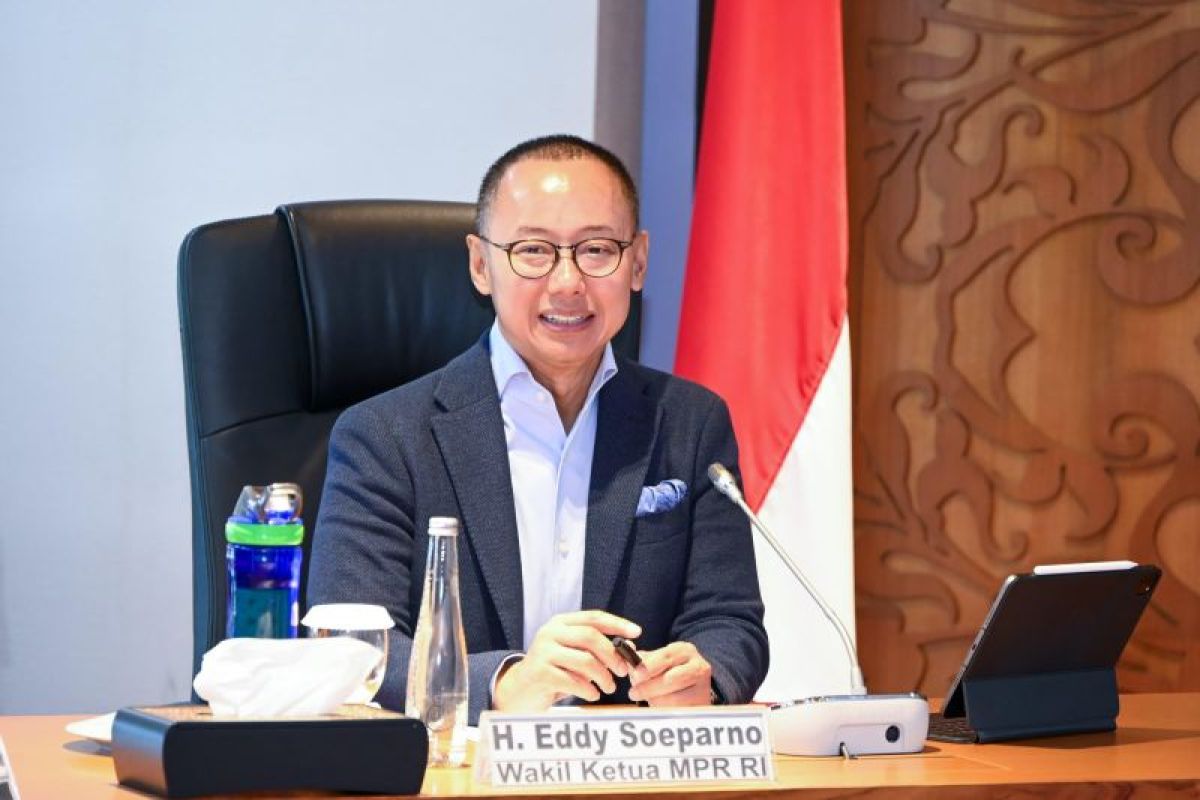
Eddy Soeparno, Deputy Speaker of the Indonesian People's Representative Council (MPR) from the PAN faction, called on the Directorate General of Oil and Pertamina to guard against the risk of oil and gas import competition from countries more dependent on Middle Eastern supply than Indonesia. The anticipation is needed to ensure the country’s energy needs are met amid the ongoing conflict in the Middle East. ‘Currently Indonesia imports 20 percent of its oil and gas needs from the Middle East. The rest comes from Nigeria, Angola, Australia and even Brazil. This means Indonesia can rely on and even increase its supply of oil and gas from countries outside the Middle East if Middle Eastern supply is disrupted due to the blockage of oil traffic through the Hormuz Strait,’ Eddy said in a press release.
Eddy continued that Indonesia should scrutinize countries such as China, India, Japan and South Korea, which have larger import volumes than Indonesia, both in absolute terms and in terms of sources from the Middle East. Based on his data, China imports oil and gas at about 11 million barrels per day, followed by India at around 6 million bpd, and Japan and Korea at about 2–2.5 million bpd.
‘If China’s and India’s share of Top Middle East imports is around 55–60 percent and Japan and Korea rely on the Middle East for 80–90 percent of their oil and gas supplies, then a closure of the Hormuz Strait would cause these countries to immediately shift their oil and gas imports to other sources that are also suppliers to Indonesia,’ he said.
‘In other words, Indonesia could be competing for supply with other giant importers,’ Eddy added. Therefore, he urged Pertamina to anticipate the worst-case scenario of disrupted supply and higher energy prices. He sees the first step as ensuring supplier commitments to Indonesia remain steadfast. Secondly, he said, the government should anticipate price spikes if oil fields and energy infrastructure in major producers such as Saudi Arabia, the United Arab Emirates, Qatar, Kuwait and Bahrain are damaged or destroyed. Thirdly, diversify imports from other countries such as the United States, especially since we already have trade agreements requiring Indonesia to purchase crude oil, LNG, LPG and other petroleum products. By taking these anticipatory steps, Eddy is confident Indonesia can avoid energy shortages during the war.