
Legislator: Subsidised Fuel Price Policy for 2026 Effective in Controlling Inflation and Purchasing Power
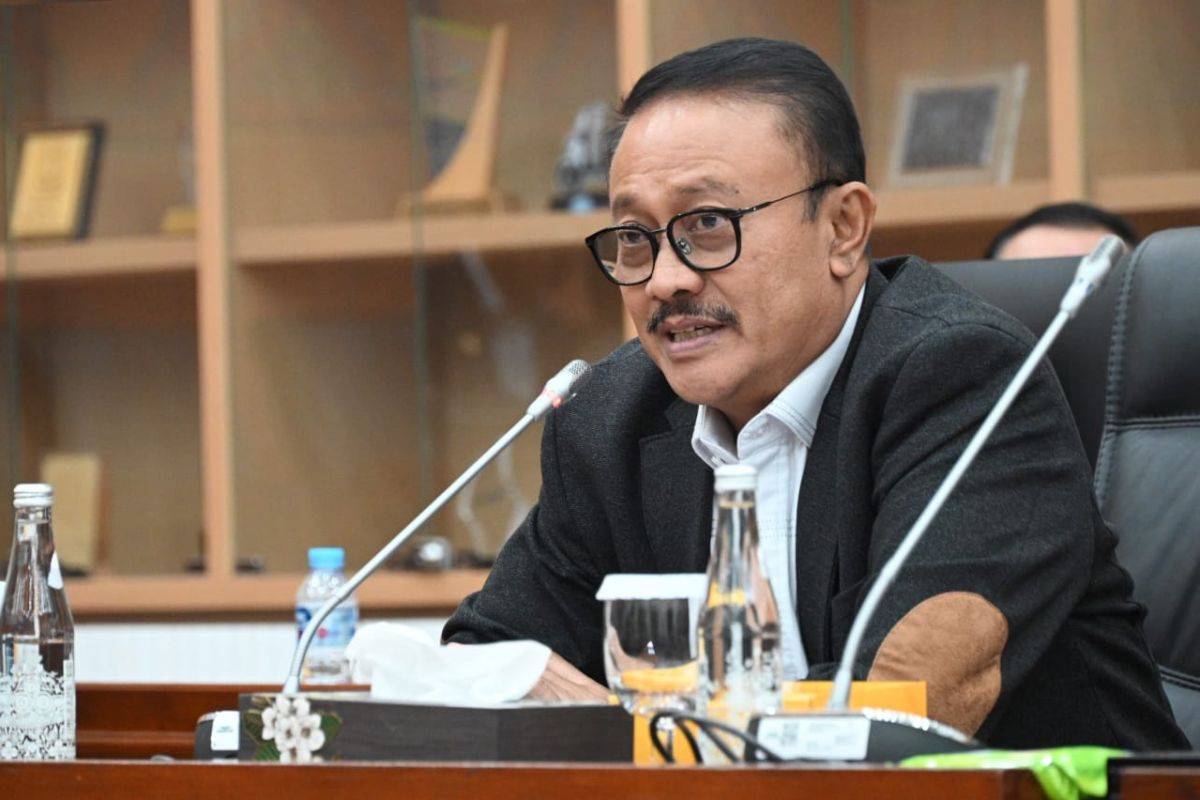
Jakarta (ANTARA) - Member of the Indonesian House of Representatives’ Commission VI, Gde Sumarjaya Linggih, views the government’s policy of maintaining subsidised fuel (BBM) prices in 2026 as playing a vital role in dampening inflationary pressures and safeguarding public purchasing power amid global uncertainties.
“This policy provides space for business actors to formulate more measured business planning amid global economic uncertainties,” said Gde Sumarjaya Linggih, familiarly known as Demer, in his statement in Jakarta on Monday.
He stated that energy price stability serves as a crucial instrument to hold back rises in production and distribution costs that could directly impact the prices of goods and services.
According to him, with stable subsidised BBM prices, the business sector, especially micro, small, and medium enterprises (UMKM), can maintain operational efficiency and sustain production and distribution activities without excessive cost pressures.
On the other hand, Demer assesses the government’s step to adjust non-subsidised BBM prices as a strategy to maintain fiscal balance and energy resilience without burdening vulnerable communities.
He noted that the policy is more targeted because non-subsidised BBM consumption is dominated by middle to upper-income groups, thus its impact on broad public purchasing power is relatively limited.
“Efforts to maintain stocks, strengthen supplies, and manage energy imports are essential parts of ensuring energy resilience amid global pressures,” he said.
Furthermore, he emphasised that consistency in energy policy and synergy among ministries are key factors in maintaining overall economic stability.
With this approach, the energy policy is seen not only as a tool for controlling inflation but also as a foundation for strengthening national economic resilience amid global dynamics.