
Legislator says President's step to establish Kemenekraf is appropriate
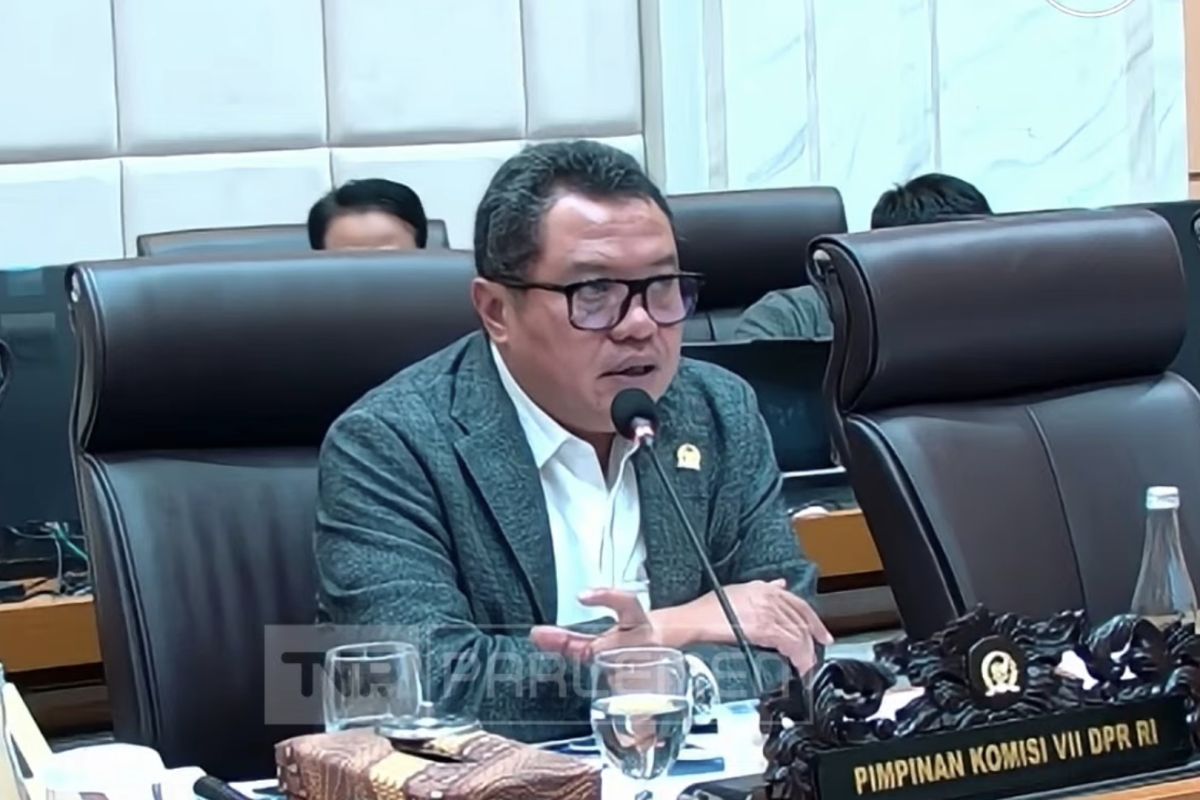
Jakarta (ANTARA) - Deputy Chairman of Commission VII of the House of Representatives, Lamhot Sinaga, believes that President Prabowo Subianto has taken the right step in establishing a dedicated agency to handle the creative economy, namely the Ministry of Creative Economy (Kemenekraf). This step is considered appropriate because the government will be better able to focus on the business climate for the creative economy, particularly in the area of business protection. “This is a progressive step. The state is present to ensure that the creativity of the nation’s children not only develops but is also protected and has optimal economic value,” said Lamhot in an official press release received in Jakarta on Monday. The statement was also made by Lamhot in response to the case affecting videographer Amsal Sitepu in the digital space. According to Lamhot, the Ministry of Creative Economy must intervene to protect its business actors, drawing lessons from the case that befell Amsal Sitepu. “This ongoing case should become a moment for collective reflection. We need to ensure that creative industry practitioners have a safe, fair, and sustainable space to create,” Lamhot said in a written statement on Monday. Lamhot stated that the creative economy line is no longer just an additional sector but one of the backbones of future economic growth. This is supported by Lamhot’s latest data showing that the creative economy sector has contributed more than Rp1,300 trillion to the national gross domestic product (GDP) in recent years. That figure, Lamhot continued, reflects the great potential that continues to grow, especially with the support of digital technology. In addition to its contribution to GDP, Lamhot said the sector also absorbs a significant amount of labour. He estimated that more than 20 million people are directly involved in various subsectors of the creative economy, from film, music, design, to digital content. This number continues to increase along with the growing penetration of the internet and digital platforms in Indonesia. In this regard, Lamhot believes the government must also provide protection not only to the business actors but also to employees working in the creative industry. One issue highlighted by Lamhot is that many creative workers lack job security, clear contracts, or social protection. “Many of them work independently or as freelancers. This makes them vulnerable, both economically and legally. Therefore, the protection approach must be tailored to the characteristics of the creative industry itself,” said Lamhot. Therefore, Lamhot hopes that the government through the Ministry of Creative Economy can issue policies that can improve the health of business actors and employees in the creative industry to safeguard Indonesia’s economy. “The creative economy is the future. But that future must be built on a strong foundation, including protection for its actors,” Lamhot emphasised.