
Legislator highlights importance of wastewater treatment for ensuring quality and safety of MBG
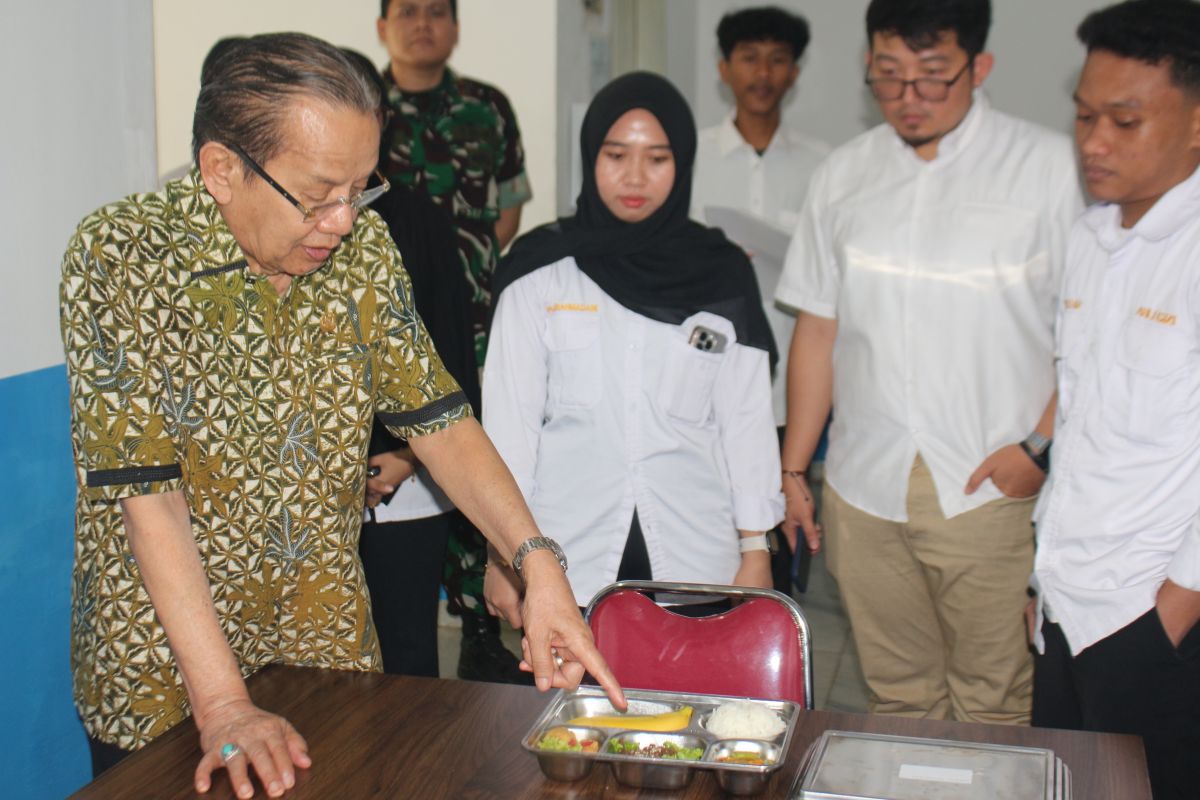
Jakarta (ANTARA) - Member of Parliament for the Central Sulawesi electoral district, Longki Djanggola, has highlighted the importance of proper management of Wastewater Treatment Installations (IPAL) as part of kitchen sanitation standards to ensure the quality of the Free Nutritious Meals (MBG) programme in various regions. “IPAL must be properly addressed. This is important to ensure that the kitchen continues to meet cleanliness standards, so that operations can run sustainably,” Longki stated when contacted in Jakarta on Monday. The visit is part of efforts to oversee the implementation of the government’s strategic programme in meeting community nutrition needs, particularly for students. According to him, applying these standards is essential to ensure food safety and adequate nutrition for the beneficiaries, especially pupils. Longki reminded that the quality of the food served must be maintained in accordance with the standards set by the Health Department and the National Nutrition Agency (BGN). “Managers and nutrition experts need to ensure that the entire processing process is hygienic and meets standards, so that the benefits of this programme can be felt optimally,” he said. In his view, MBG is a strategic step by the government to improve human resource quality through early nutrition fulfilment. Meanwhile, the Head of the Nutrition Fulfilment Service Unit (SPPG) Gunung Bosa, Putri Ramadahani, stated that kitchen operations are running smoothly and in accordance with applicable regulations. She and nutrition expert Faiz Akbar ensure that aspects of cleanliness, food safety, and nutritional quality are consistently maintained. She mentioned that the Gunung Bosa MBG kitchen currently serves 1,705 beneficiaries. “We are committed to maintaining service quality according to the set standards so that this programme continues to provide benefits to the community,” she said.