
Legislator: Handling of KS Case in Pagaralam Must Prevent Revictimisation
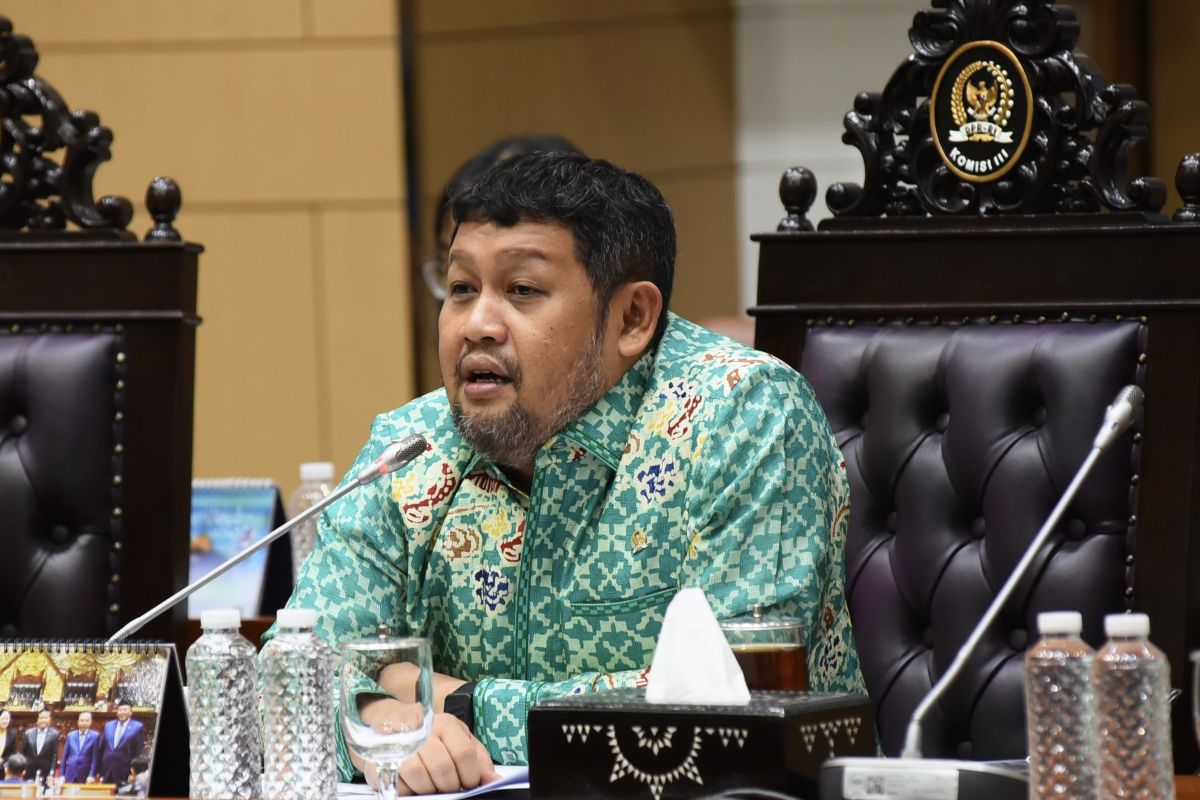
Jakarta (ANTARA) - Member of the Indonesian House of Representatives Commission III, Abdullah, stated that the handling of the sexual violence case against an intern student in Pagaralam, South Sumatra, must be carried out comprehensively to avoid causing revictimisation.
The revictimisation referred to by Abdullah is the condition where a crime victim, particularly of sexual violence, experiences actions that make them a victim again.
“The handling of the sexual violence case in Pagaralam must be read in its entirety so that law enforcement does not result in revictimisation,” he said, as per a statement received in Jakarta on Thursday.
This case began when an intern student with initials RA experienced sexual harassment from her superior, UB. The victim reported the incident to the police, but she was instead counter-reported by the alleged perpetrator.
UB reported RA for alleged violation of the Electronic Information and Transactions Law. RA is suspected of accessing UB’s phone without permission.
RA was briefly detained, but her detention was suspended after the case drew public attention. The police have also halted the investigation into UB’s report due to insufficient evidence.
According to Abdullah, this case should have been examined more deeply from the outset, particularly considering the power dynamics between the victim and the suspect.
“In sexual violence cases, the context of power relations between the victim and the perpetrator cannot be separated from the assessment of the criminal process,” said the law affairs legislator.
He stated that victims’ actions to obtain evidence are often carried out in limited conditions because formal evidence is held by the more dominant party.
Therefore, he reminded law enforcement authorities not to rely solely on fulfilling formal elements when receiving a report, but also to consider the victim’s context in seeking legal protection.
He also highlighted the existence of the Sexual Violence Crime Law (TPKS), which not only aims to punish perpetrators but also ensures victims do not face further pressure during the legal process.
Commission III, added Abdullah, will push for an evaluation of the patterns in handling cases involving sexual violence victims, especially when victims are counter-reported by suspects.
“Law enforcement must ensure that sexual violence victims receive justice, not additional legal pressures,” he emphasised.
On the other hand, he supports the legal process against UB, who has been detained and will face trial on charges of indecent acts under the Criminal Code and the TPKS Law.
“Zero tolerance for sexual violence must not just be a slogan, but truly enforced,” Abdullah concluded.