
Lebaran Topat, the Cultural Pulse of Mataram
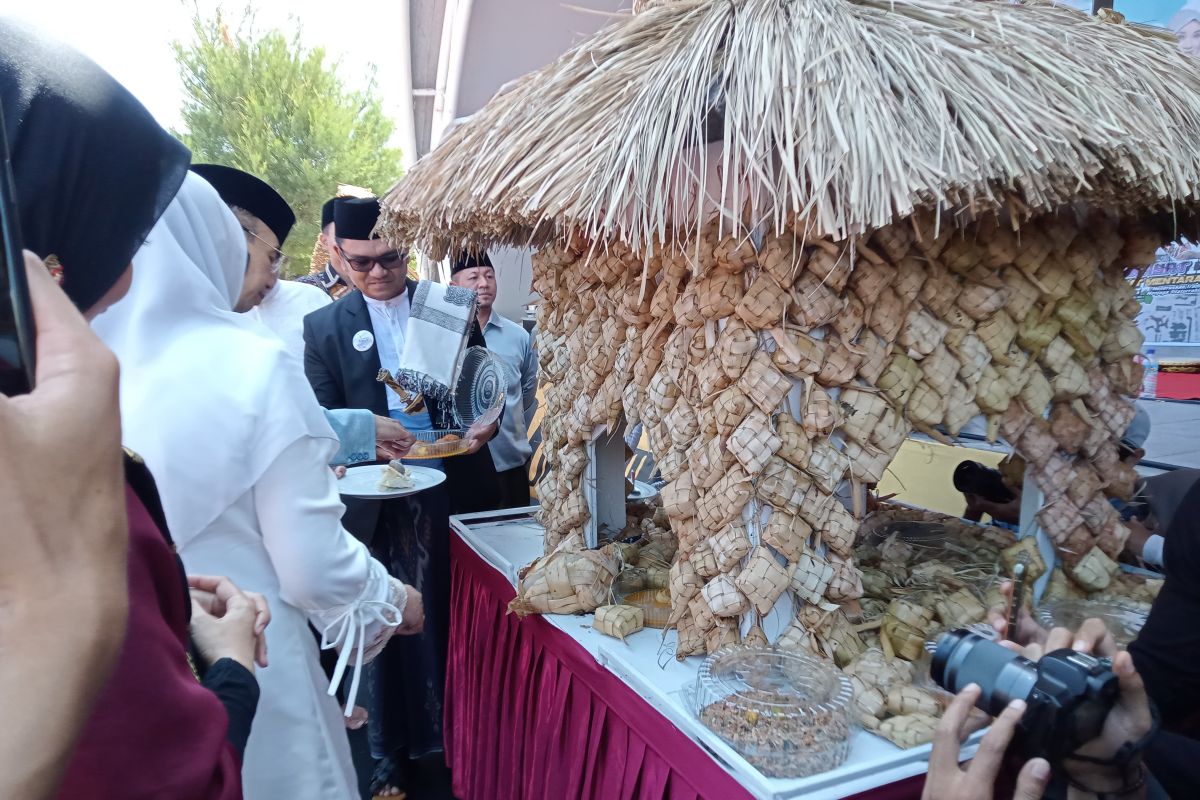
Lebaran Topat is not just about ketupat, the beach, or the crowds. It is a long narrative about identity, togetherness, and hope. Mataram (ANTARA) - Mornings in the city of Mataram always have their own way of welcoming the eighth day of Shawwal. The takbir no longer echoes as strongly as on the first day of Eid al-Fitr, but its traces are still felt.
In traditional markets such as Mandalika, Kebon Roek, and Pagesangan, the aroma of fresh janur (young coconut leaves) signals the arrival of Lebaran Topat. Women deftly select young coconut leaves, while ketupat sellers are busy folding the quadrilateral woven strands. This activity is not merely culinary preparation but part of a long rite passed down across generations on the island of Lombok.
Lebaran Topat is not just a tradition but the pulse that animates the cultural identity of the Sasak community amid the currents of modernity.
Behind its simplicity, Lebaran Topat carries profound spiritual meaning. It symbolises the completion of the six days of optional fasting in the month of Shawwal. The number seven, which marks the interval between Eid al-Fitr and Lebaran Topat, is understood as the perfection of worship. In that space, religion and custom mutually reinforce each other, shaping a local form of Islam that is friendly, inclusive, and grounded.
Rituals that unite
Lebaran Topat always begins with journeys to sacred spaces. At the Loang Baloq Cemetery and Bintaro Cemetery, thousands of residents gather from the morning. They come bearing trays filled with ketupat, chicken opor, eggs, and traditional snacks like ‘bantal’ cakes.
Zikir and prayers are recited, blending with the gentle sea breeze. The ngurisan ritual, or baby hair-cutting, symbolises new hopes, while begibung, the tradition of communal eating, erases social barriers. Everyone sits side by side, regardless of status.
Assistant to the City Secretary of Mataram, H Lalu Martawang, emphasised that this tradition is not merely an annual ceremony.
“Lebaran Topat is one of the traditions that must be preserved because it is rich in religious values and strengthens the bonds of silaturahmi,” he stated on one occasion.