
Lebanon Test: Is Indonesia Ready to Bear the Risks?
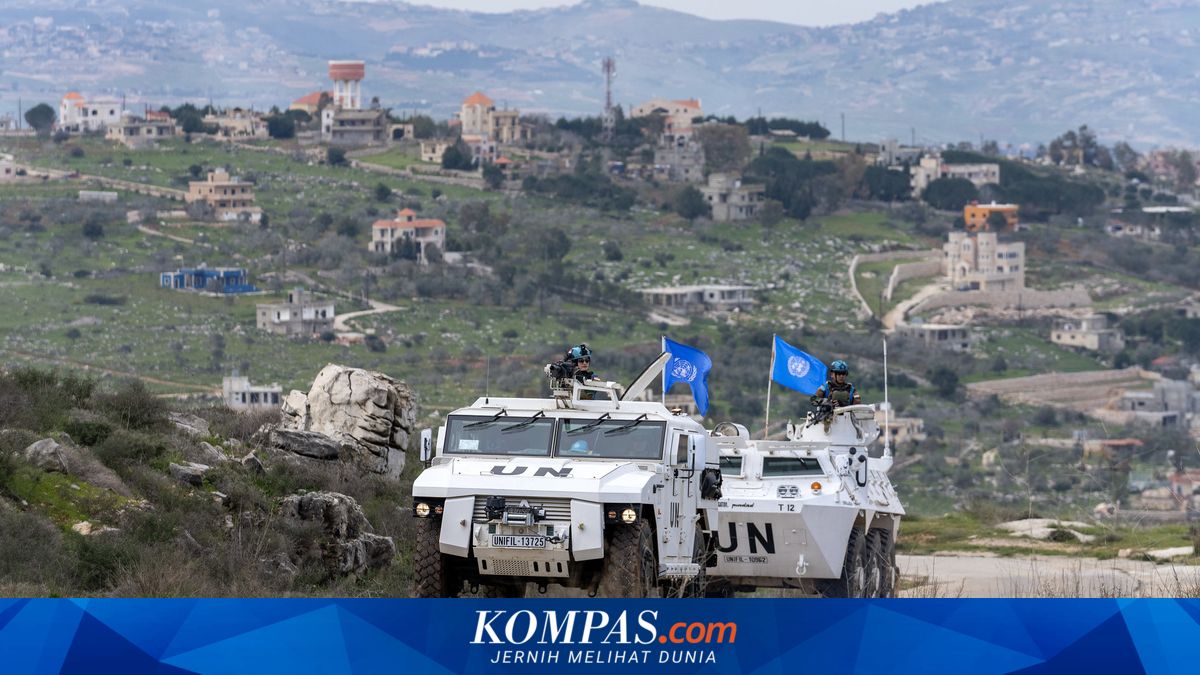
Escalation at the Israel-Lebanon northern border has once again claimed Indonesian victims. Three TNI soldiers serving in the UNIFIL mission perished amid rising conflict intensity between the Israel Defense Forces (IDF) and Hezbollah. This sorrow belongs not only to the extended TNI family but to the Indonesian nation as a whole. The Indonesian government and the United Nations (UN) have issued strong condemnations of the attack. However, domestically, there are calls for the troops to be withdrawn immediately for safety reasons. This narrative appears empathetic but risks oversimplifying a far more complex issue. In this context, Indonesia forms part of a tangible buffer mechanism, not merely a diplomatic accessory. Indonesia’s foreign policy cannot be detached from the Preamble of the 1945 Constitution. The mandate to participate in world order is not just a moral principle but a constitutional obligation. In this regard, involvement in UNIFIL is a concrete manifestation of that mandate. Established in 1978, UNIFIL’s task is to maintain stability and ensure no unilateral occupation occurs. The presence of Indonesian troops directly contributes to balancing a highly volatile region. This is not a symbolic mission but a genuinely strategic function. On the other hand, it is important to understand that TNI soldiers do not serve as offensive combat forces. They operate under strict rules of engagement. Discipline in not exceeding the mandate demonstrates professionalism and commitment to peace. Public questions such as “why not retaliate?” must be viewed within this framework. Peacekeeping forces are present to defuse conflicts, not to broaden them. In tense situations, restraint is a form of strength, not weakness.