
Learning from Green Alley Srengseng: Saving Waste, Earning Rupiah
Despite being narrow—passable only by a single motorcycle—the alleyway is remarkably clean, with no litter scattered about and no unpleasant odours emanating from the drainage system.
On a Friday afternoon in March 2026, even under the intense Jakarta sun, traversing Green Alley on Nanas Street, RT 03/07, Srengseng, West Jakarta, felt notably shaded.
The small alley, nestled within the densely populated Jakarta metropolis, is lush with ornamental plants and medicinal herbs. Waste bins are strategically positioned at several points, with no rubbish scattered or accumulated either along the streets or around the bins.
Furthermore, despite children roaming the alley, none casually discard snack wrappers or pluck plants as they pass by.
“What’s the secret?” The question that had been circling in my mind was spontaneously posed.
Yustina Suwartiningsih, secretary of Green Alley, smiled. Rather than answering directly, she invited me to walk through the alley towards the community waste bank centre.
“The approach regarding waste awareness is communicated to all residents, including children. So the approach targets children, men, and women alike,” Yustina explained.
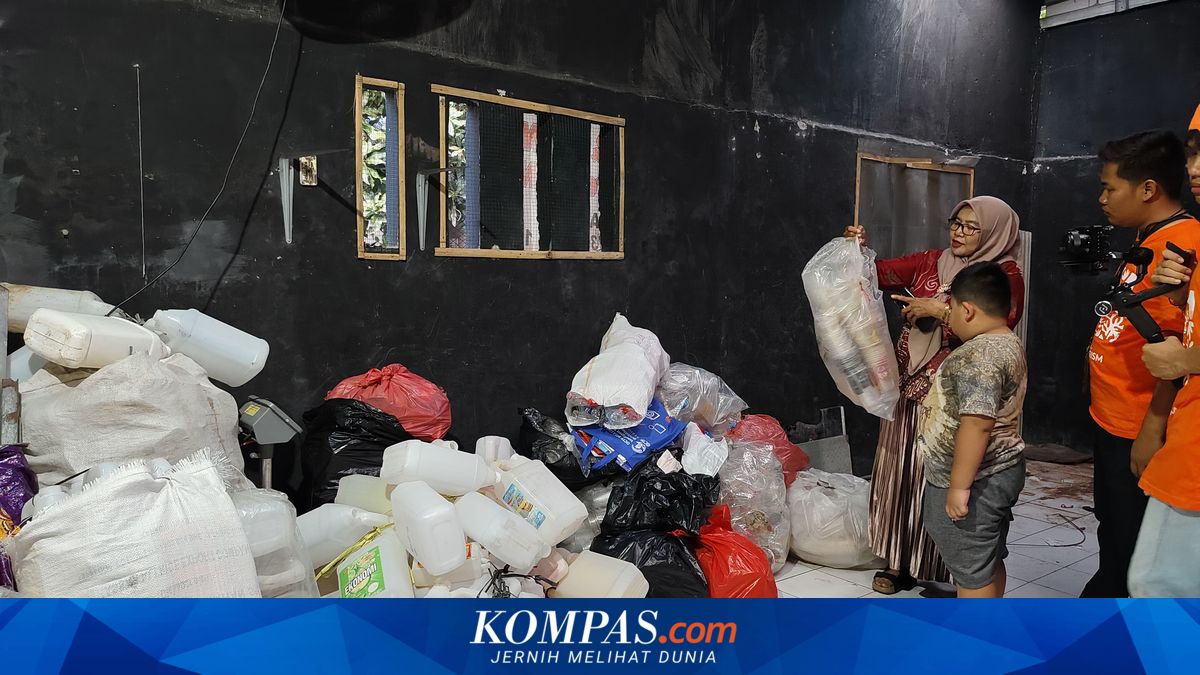
According to the system, each household collects inorganic waste such as cardboard, plastic bottles, or scrap metal that can be recycled. Each item of waste is cleaned and sorted according to its type.
Since its establishment in 2015 to the present, Yustina noted, the most noticeable difference resulting from increased community awareness of waste is that the neighbourhood feels significantly cleaner.