
Learning from China's Shenzhen, Pramono Wants Jakarta MRT to Serve Millions of Passengers per Day
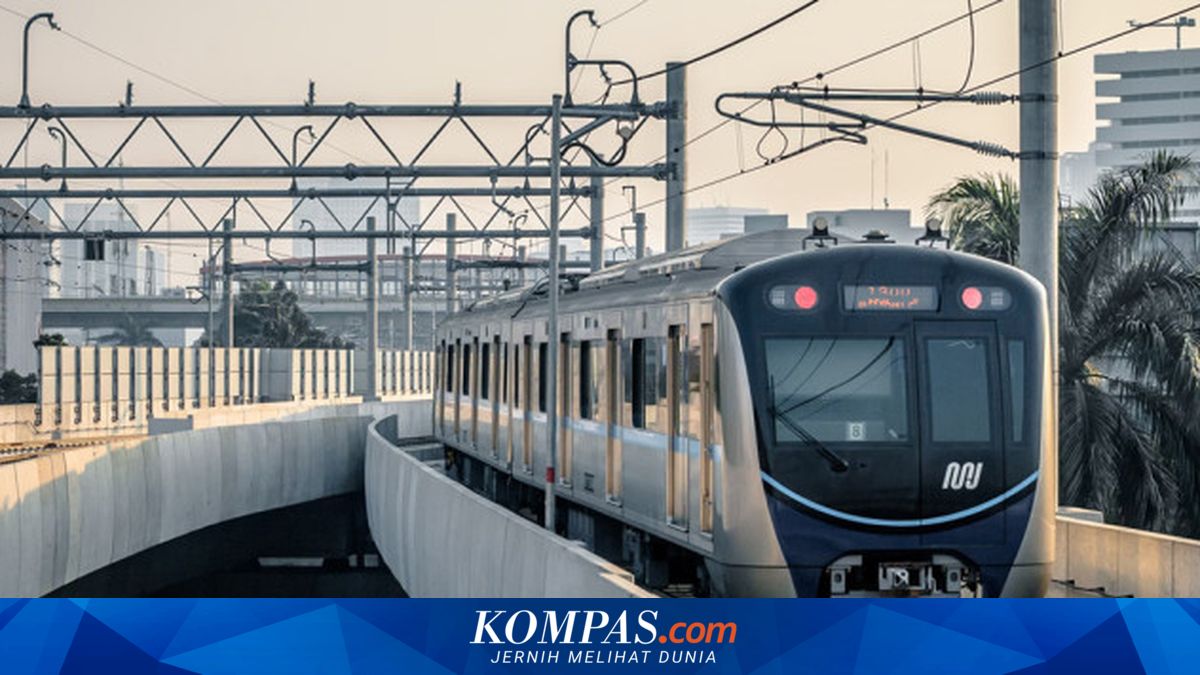
Jakarta Governor Pramono Anung has stated that the DKI Jakarta Provincial Government aims to increase MRT ridership to millions of people by learning from the transportation system in Shenzhen, China.
Pramono made this statement after meeting with the Shenzhen Metro Group in Guangdong on Wednesday (22/4/2026).
During the meeting, an MoU was signed between PT MRT Jakarta (Perseroda) and the Shenzhen Metro Group for the development of transit-oriented development (TOD) areas and integrated transportation systems.
Pramono said Shenzhen was chosen as a model because it has successfully managed efficient public transportation integrated with surrounding areas.
He also highlighted the significant differences between Shenzhen and Jakarta.
Shenzhen’s metro system can carry up to 13 million passengers per day with a network of around 635 kilometres.
In contrast, PT MRT Jakarta’s services currently handle around 128,000 passengers per day.
According to Pramono, this situation underscores the urgency for Jakarta to accelerate MRT development and TOD areas.
“This is urgent because mobility in and out of Jakarta reaches about 4 million people per day. The MRT must be developed as a long-term solution to tackle congestion while supporting agglomeration area integration,” said Pramono.
He noted that Shenzhen’s experience can serve as a reference for building an integrated and sustainable transportation system.
“This MoU is a step towards resolving modern city issues while locking in future economic growth,” said Tuhiyat.
Meanwhile, Deputy Party Secretary and General Manager of the Shenzhen Metro Group, Huang Liping, assessed Jakarta’s approach as correct by making TOD the foundation of the city’s transportation system.
He said that planning the metro from the outset can facilitate people’s travel while driving the economy and urban development.
“Our experience shows that when metro planning is done from the beginning, it not only moves people but also shapes the economy, urban space, and property values,” said Liping.