
Learning from China, Ride-Hailing Drivers to Receive Minimum Wage and Work Hour Limits
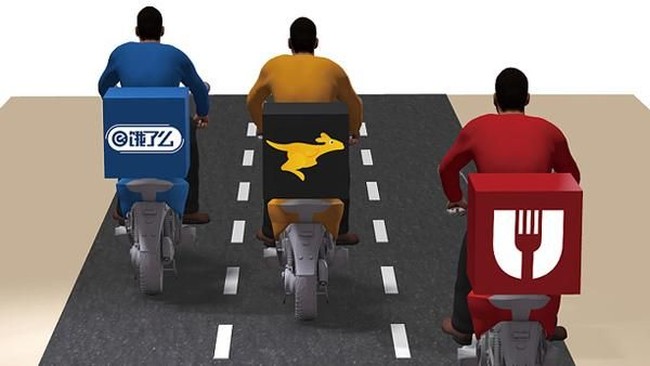
Jakarta, CNBC Indonesia - China has implemented new rules that add layers of protection for digital platform workers, or so-called ‘gig workers’. This category includes online drivers, online couriers, and livestreaming hosts. The regulations stipulate provisions regarding wages and work hour limits.
Regarding wages, the Central Committee of the Communist Party of China and the State Council mandate that gig workers receive income of at least the local minimum wage—or UMR, as it was formerly known in Indonesia. The rules also require platforms to provide reasonable additional pay when gig workers work on holidays.
Service provider companies must negotiate with unions or gig worker representatives to determine the maximum consecutive time for accepting orders and the maximum daily working hours.
Additionally, the app must stop sending new orders if the driver has reached those limits. Notifications reminding workers to rest are also sent, cited from The Next Web, Tuesday (28/4/2026).
The rules also regulate the creation of employment contracts when the conditions for an employment relationship are met. If not met, workers must sign a written agreement to determine the terms.
Companies are also required to seek worker input when formulating or revising employment regulations.
The latest regulations represent a breakthrough, given that online service systems often force workers to boost productivity without prioritising principles of prudence. A report from Renwu magazine in 2020 revealed how the algorithms of Meituan and Ele.me shortened delivery times.
This forced delivery personnel to run red lights, drive against traffic, and run up stairs.
For payments, service providers calculate them based on the average daily orders, timeliness, customer ratings, and complaints.
The system built clearly has the potential to injure or kill online drivers or couriers while working. Notes from The Next Web mention that in the first half of 2027 in Shanghai, there was one delivery worker injured or killed every 2.5 days.
In Chengdu, there were 10,000 traffic violations by delivery workers in the first seven months of 2018. Meanwhile, accidents were recorded 196 times, with 155 injuries or deaths.
A food delivery worker in Hangzhou was found unconscious and died after working 18 hours in September 2024.